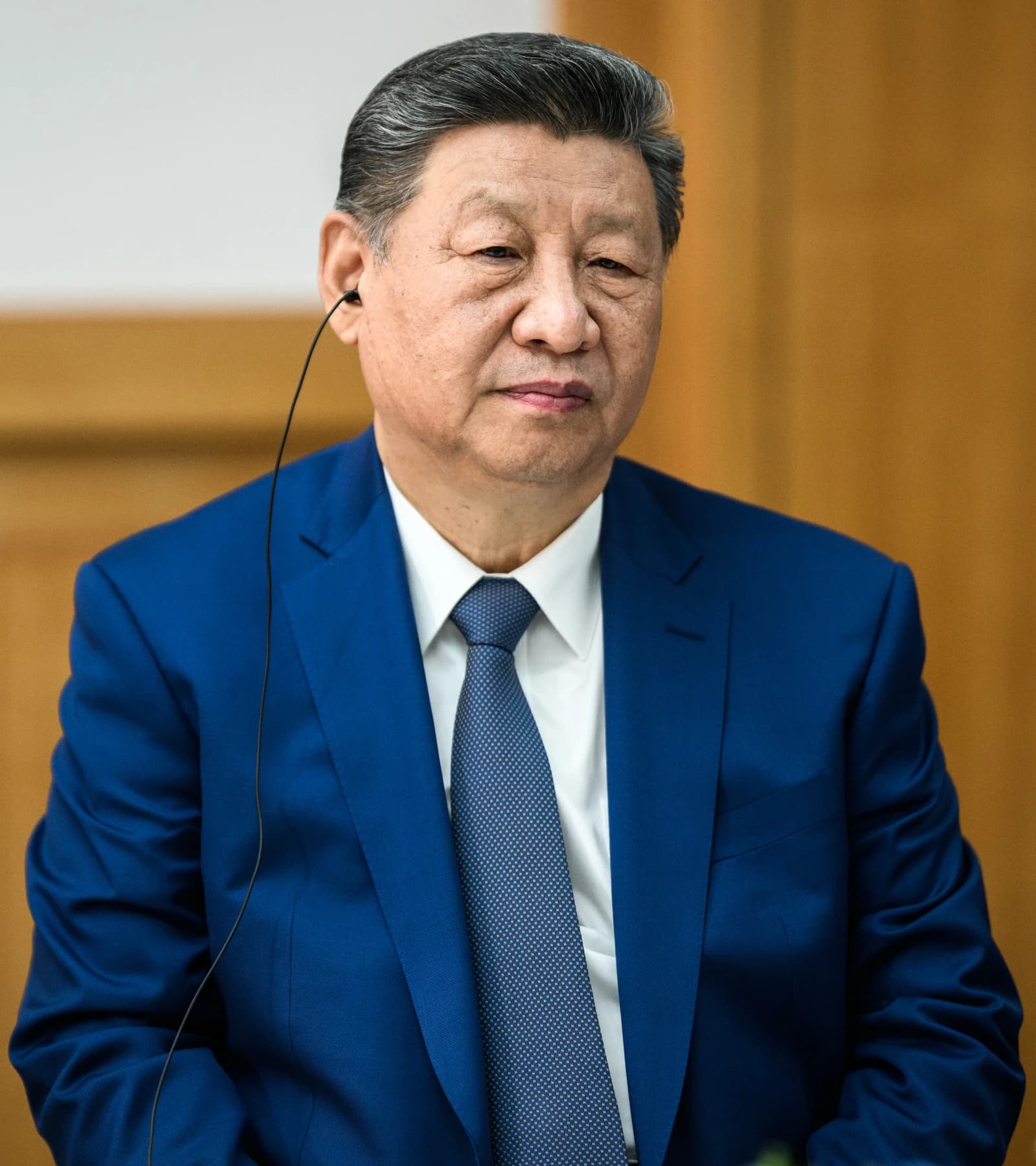
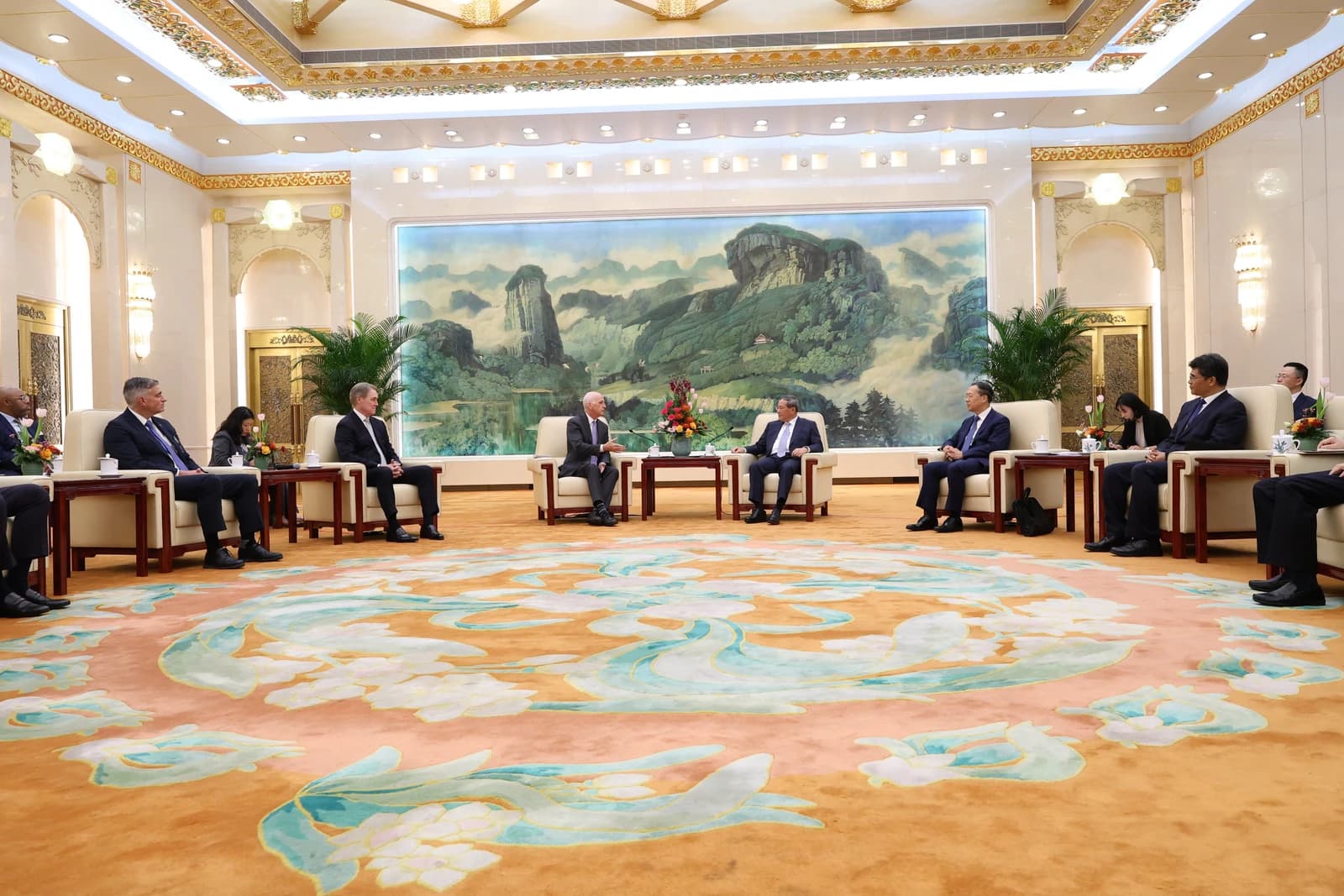
China is strengthening its trade diplomacy while markets quietly price in a softer standoff with Washington, giving Beijing leverage before Donald Trump’s planned trip to China.
China trade diplomacy before Trump’s planned visit

That combination matters because it suggests China can present itself as the steadier advocate of open commerce at a time when the US is still the source of the biggest policy risk. Beijing has reaffirmed its commitment to free trade, floated a regional free-trade area at APEC and extended tariff relief with Canada, all while keeping channels open with the US and other partners. The message is simple: China wants to look indispensable to global trade before any high-profile meeting with Trump.
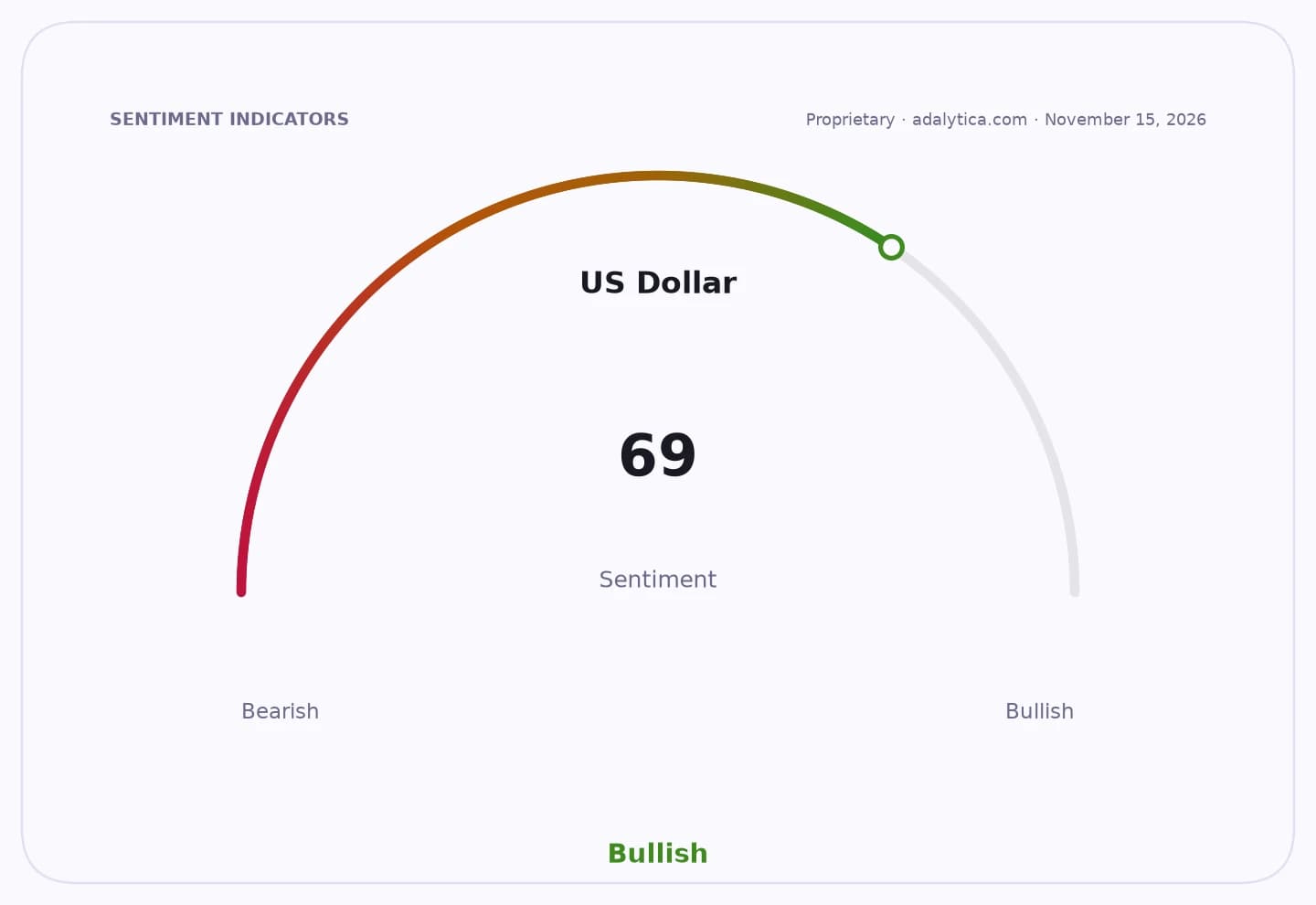
Sentiment Indicators
US-China Relations
Investors should care because this is not just diplomatic theater. A China that can lower trade friction with other partners while keeping the US engaged has more room to shape supply chains, deflect pressure on exports and preserve growth. The market is already reflecting a tug of war between optimism and caution. The iShares China Large-Cap ETF, FXI, has clawed back from a low near $33.19 on Oct. 2 to $33.32 on Nov. 16, but it remains below its 200-day moving average of $35.23, a sign that investors still want proof that policy gains can translate into earnings. The ETF’s relative strength index near 59.8 shows improving momentum, but not conviction.
The bigger point is that Beijing is trying to win the narrative before the negotiating table is even set. A publicly pro-trade China is easier to defend in emerging markets, more palatable to multinationals that need supply-chain optionality and more attractive to investors hunting for cyclical upside if tariffs and restrictions ease. That is why the market keeps oscillating between fear and greed on US-China relations: Adalytica’s sentiment gauge on the relationship sits at 14, or extreme fear, even as awareness is elevated, showing just how quickly headlines can move positioning.
US-China Relations — 30-day sentimentadalytica.com
Explore this data interactively — full history, time series and cross-market comparisons.
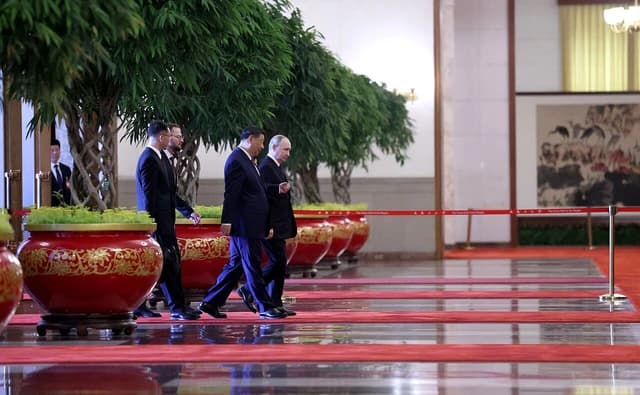
The tradable implication is that the best asymmetry may not be in broad China beta alone, but in the beneficiaries of a gradual thaw: exporters, industrial suppliers, logistics names and select Hong Kong-linked equities that can re-rate if diplomacy improves. At the same time, the losers are obvious: hardline tariff bets, defensive hedges and anyone positioned for a clean decoupling that never fully arrives.
If Trump’s China trip becomes a stage for tactical de-escalation rather than confrontation, Beijing’s current posture will look prescient. For investors, that means the market may be underestimating how much upside can come simply from fewer trade shocks and a return to managed competition. The opportunity is to position early for a policy-driven re-rating, not wait for the handshake photo to do the work.
| Entity | Gains | Losses |
|---|---|---|
| China | ▲Trade leverage | ▼Pressure narrative |
| FXI / China equities | ▲Re-rating potential | ▼Tariff uncertainty |
| Exporters / logistics firms | ▲Smoother trade flows | ▼Supply-chain friction |
| US hardliners / tariff bets | ▲None | ▼De-escalation trade |