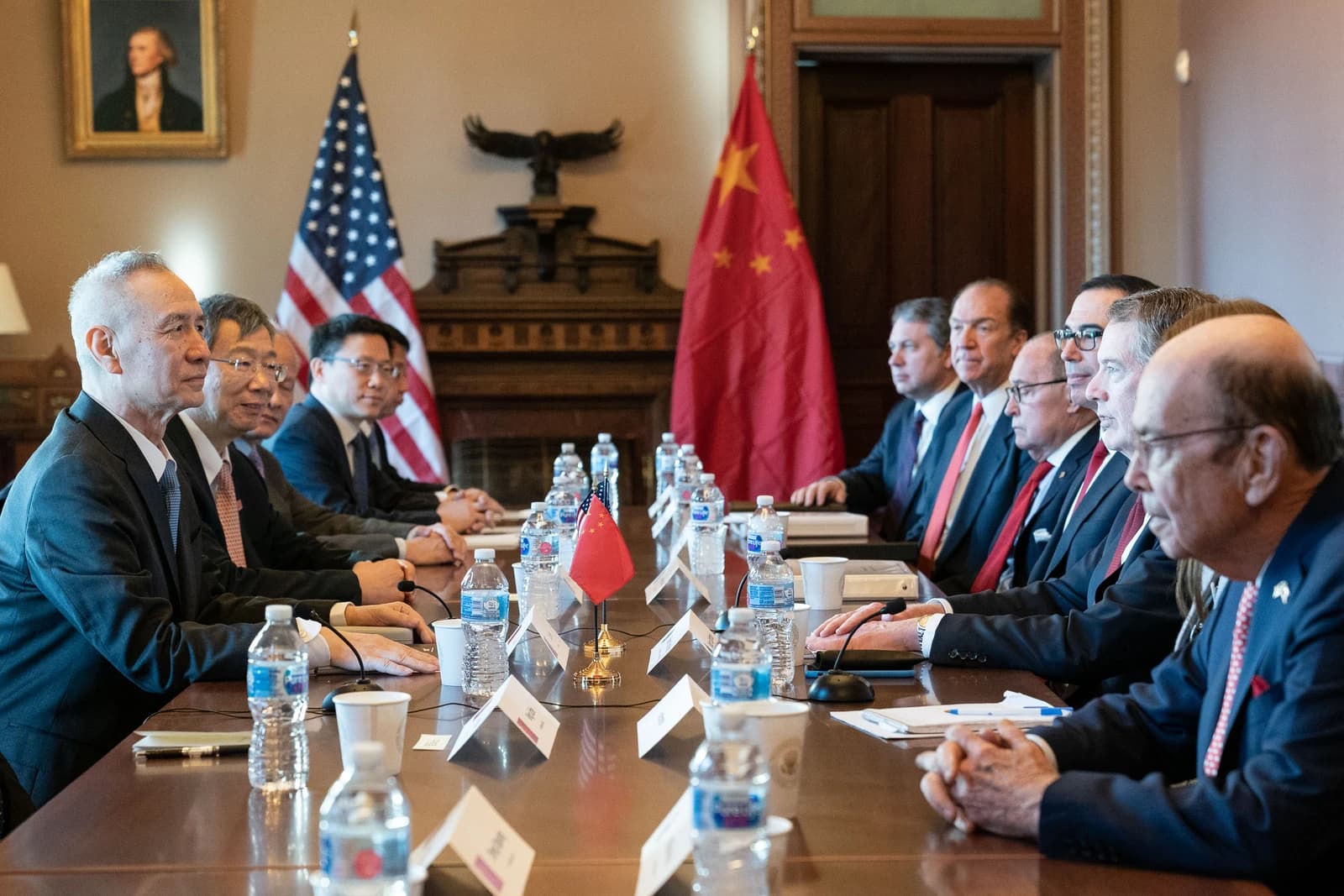
China’s decision to keep a 24% tariff suspension on U.S. imports in place for another two months lowers the immediate risk of a fresh escalation in the world’s biggest bilateral trade relationship, even as Beijing and Washington still have no broader deal.
China keeps 24% tariff suspension on U.S. imports

The extension matters because tariffs flow straight into prices, margins and supply chains. Holding the duty rate steady buys time for negotiators to work through reciprocal tariff cuts and agricultural purchases without forcing companies to reprice goods or reroute shipments on a hard deadline.
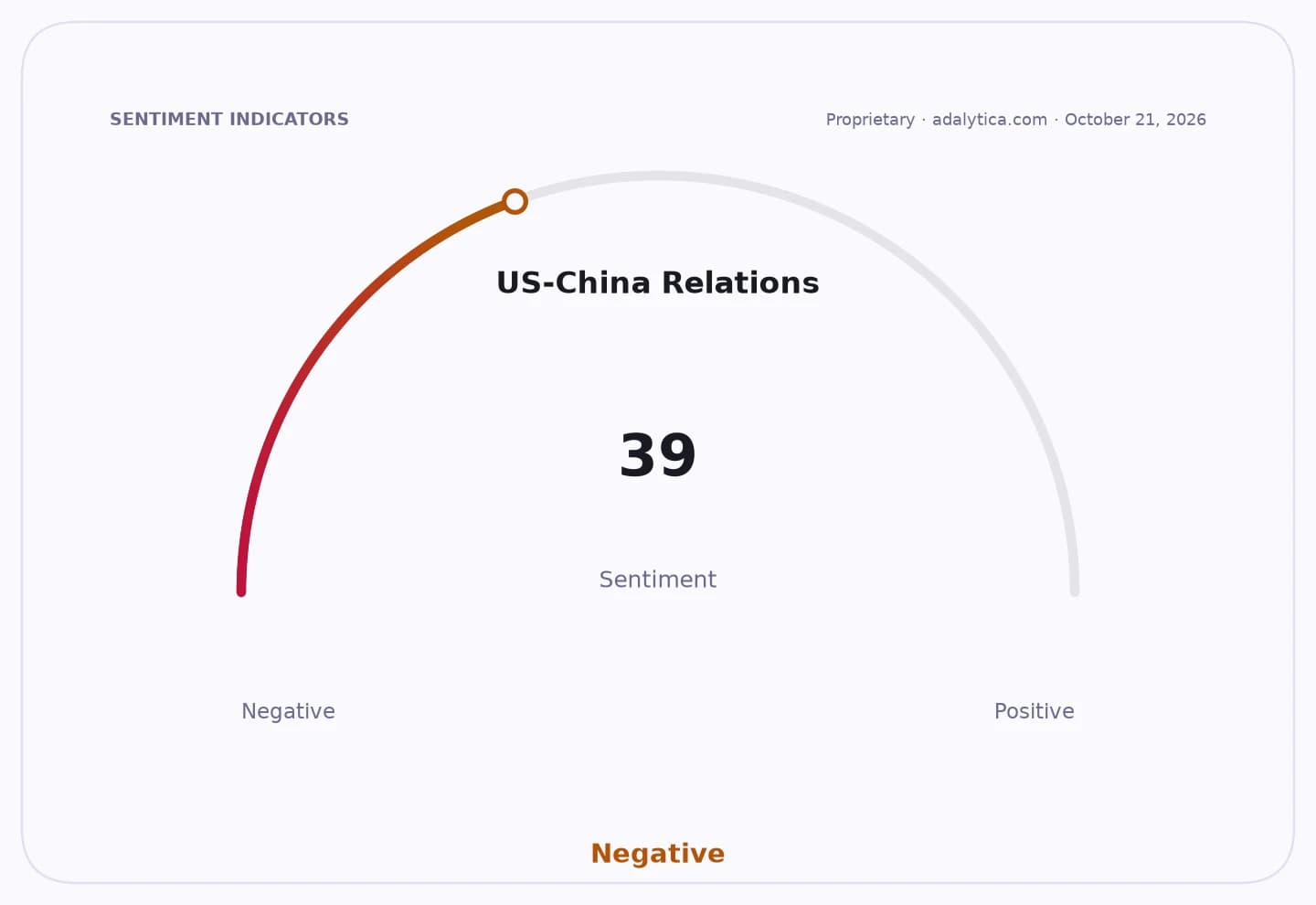
Sentiment Indicators
For investors, the move is a short-term relief valve for sectors most exposed to China-U.S. trade friction, including technology, retail, industrials and logistics. It also trims one source of macro uncertainty for global growth, which is why risk assets tend to react quickly when the trade temperature cools.
The policy backdrop remains fragile. The countries are still discussing tariff reductions worth about $30 billion and agricultural trade, with a planned meeting between Presidents Xi and Trump hanging over the talks. But no final agreement has emerged, and the suspension does not remove tariffs on all sensitive imports, leaving consumer-facing categories such as baby goods still exposed.
Market positioning reflects that caution. Adalytica’s US-China Relations Sentiment gauge shows “Extreme Fear” at 4, even as awareness is at 100, underscoring how closely traders are tracking the negotiations and how quickly sentiment can swing on any headline.
The near-term focus now shifts to whether the two sides can turn the pause into a wider rollback. If talks stall, the risk is a return to tariff pressure and renewed volatility across exporters, importers and supply chains; if they advance, the biggest beneficiaries would be multinational manufacturers, retailers and agricultural exporters.
| Entity | Gains | Losses |
|---|---|---|
| U.S. exporters | ▲Better access to China | ▼Tariff uncertainty remains |
| Chinese importers | ▲Lower near-term costs | ▼Less leverage in talks |
| Global equities | ▲Reduced trade tension | ▼Disappointment if talks fail |
| Consumers | ▲Smaller price pressure | ▼No broad tariff rollback |