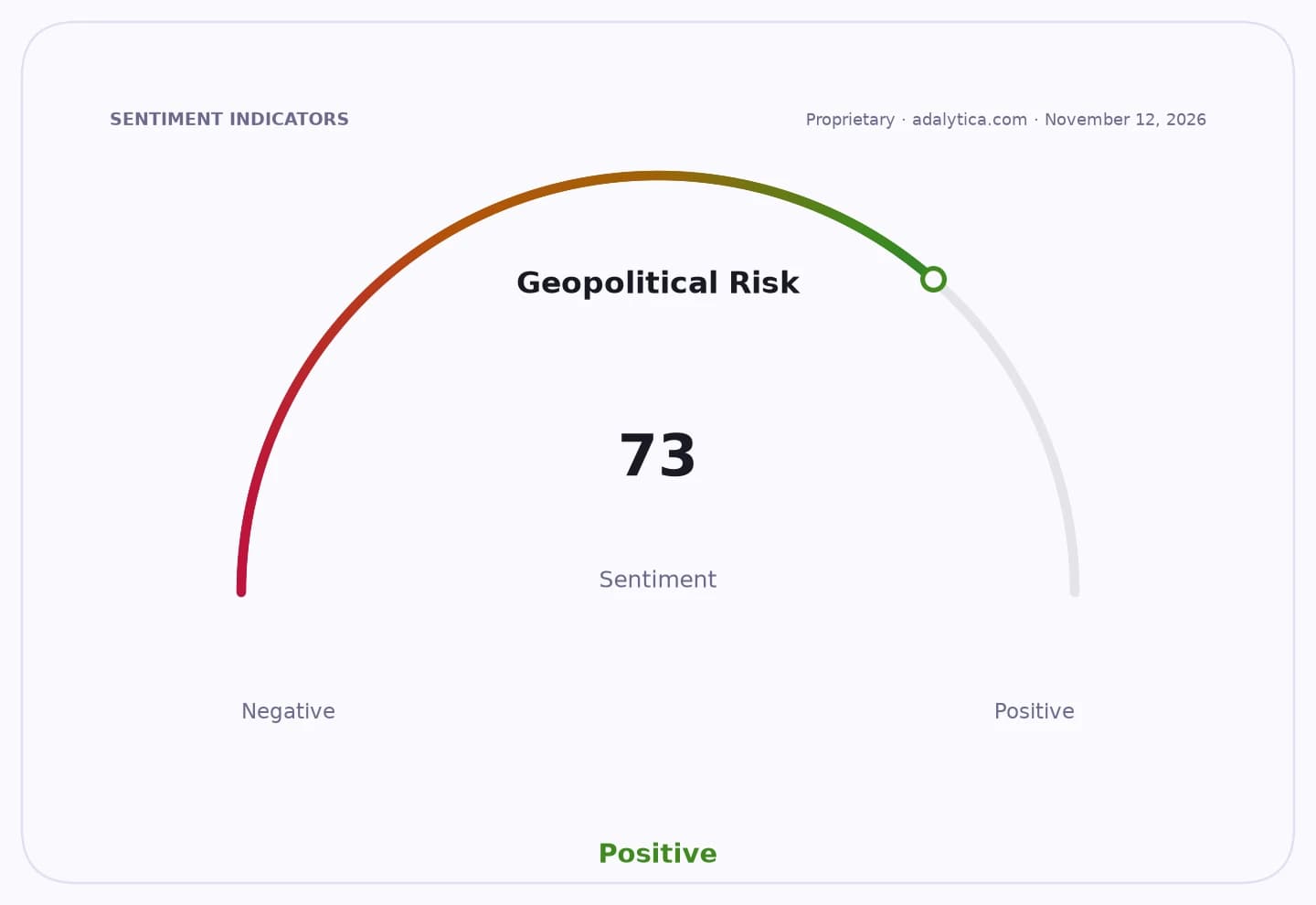
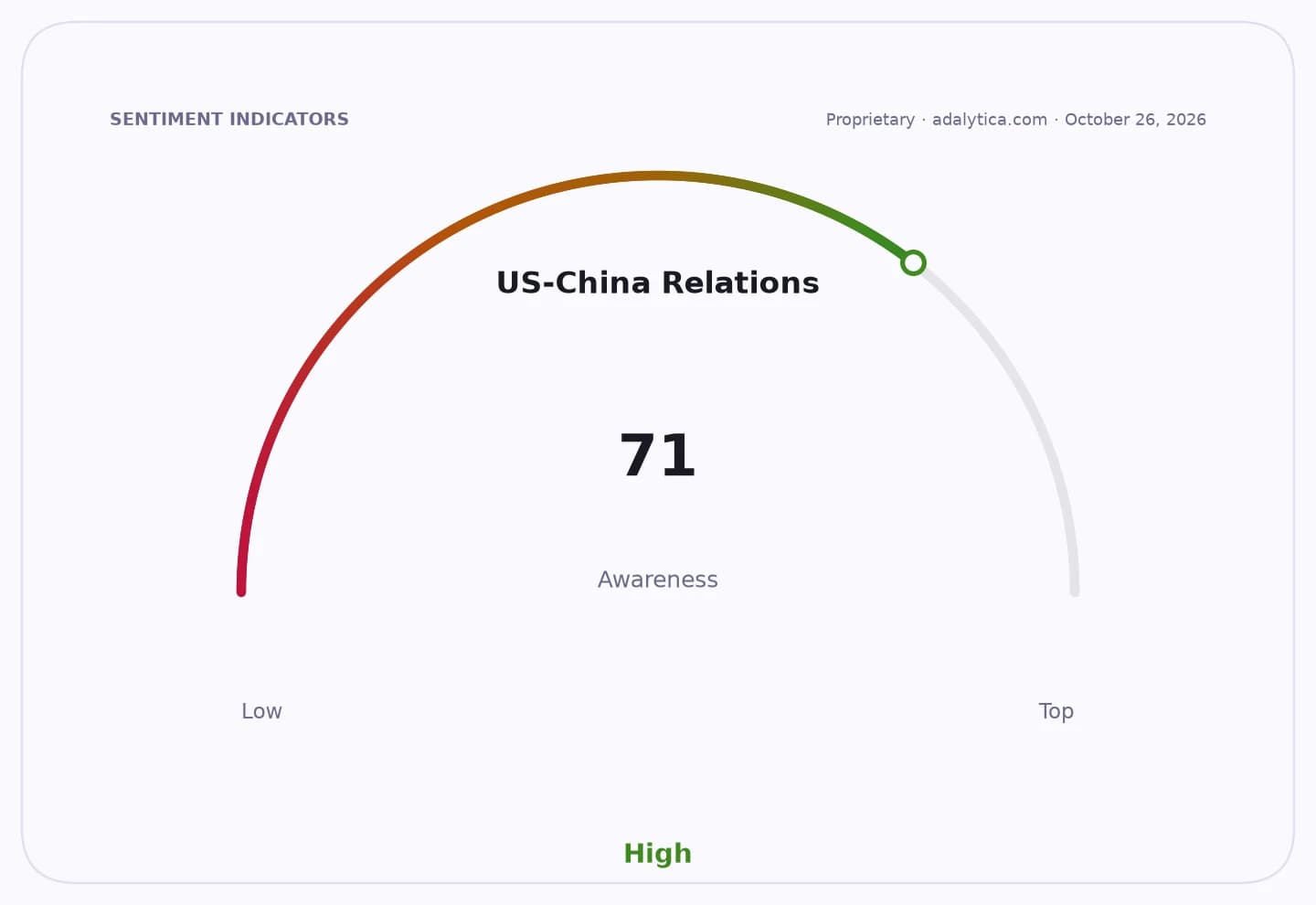
China’s move to investigate U.S. semiconductor subsidies marks a fresh escalation in a widening chip war that is no longer confined to advanced AI processors and export controls. By targeting mature-node semiconductors, Beijing is signaling it will answer Washington’s industrial-policy push with a dispute that could hit a much broader slice of the electronics supply chain, including companies that sell lower-end chips into China’s huge manufacturing base.
China probes U.S. chip subsidies and mature-node chips

The commerce ministry said the inquiry will examine whether U.S. subsidies under the CHIPS and Science Act have hurt Chinese chipmakers by allowing American firms to export mature-node products at artificially low prices. That matters economically because mature-node chips are the workhorses of appliances, communications equipment, industrial systems and other mass-market electronics. Unlike cutting-edge AI chips, they are low-margin, high-volume products where price competition is decisive and government support can quickly alter trade flows and pricing power.
Sentiment Indicators
TSMC
Beijing’s complaint mirrors the argument Washington has already used against China. The U.S. Trade Representative last month opened its own probe into China’s mature-chip industry and in September raised tariffs on Chinese chip imports, citing excess capacity, depressed prices and unfair state support. China’s response shows the fight has moved into a more symmetrical phase: each side is now accusing the other of using industrial policy to distort competition while claiming to defend market rules.
That dynamic is important for investors because it raises the risk that the dispute will broaden beyond headline names such as Nvidia and into suppliers tied to lower-end chips and manufacturing equipment. Intel, which sells mature-node processors into China, could be exposed if Beijing decides to use the inquiry as a basis for retaliatory restrictions or procurement pressure. Broader supply chains could also feel the effects if China pushes customers toward domestic chips or if firms delay orders amid policy uncertainty.
The market backdrop shows how sensitive semiconductor shares remain to trade headlines. The SOXX semiconductor ETF has fallen from a peak above 218 in late June to 155.4 on the latest reading, while the SMH ETF has dropped from 655.89 to 506.96 over the same broad span, underscoring how quickly sentiment can unwind when trade risks reprice the sector. TSMC’s U.S.-listed shares also remain well below their summer highs, even after a recent rebound, reflecting investor caution around policy and demand visibility.
For China, the probe also fits a broader strategy of using regulatory and trade tools to answer U.S. pressure without immediately resorting to the most disruptive measures. Beijing has already tightened rare earth exports and investigated Nvidia on antitrust grounds. The new inquiry gives China another lever that could be used selectively, potentially avoiding an outright supply shock while still increasing costs for U.S. chipmakers and their customers.
The bull case for investors is that both governments may prefer calibrated retaliation over measures that would damage their own industrial bases. The bear case is that repeated probes and tariffs create a slower, more fragmented semiconductor market, with higher compliance costs, weaker cross-border demand and more incentive for China to accelerate self-sufficiency. Either way, the latest probe deepens a trade conflict that is increasingly shaping chip valuations, customer ordering patterns and capital allocation across the sector.
| Entity | Gains | Losses |
|---|---|---|
| China’s domestic mature-chip makers | ▲Policy support, pricing leverage | ▼Exposure to U.S. retaliation |
| U.S. chipmakers selling into China | ▲Potentially stronger political backing | ▼Probe risk, market access pressure |
| Intel | ▲Limited near-term clarity | ▼Possible scrutiny in China |
| Semiconductor ETFs and holders | ▲Trading volatility opportunities | ▼Policy-driven valuation pressure |