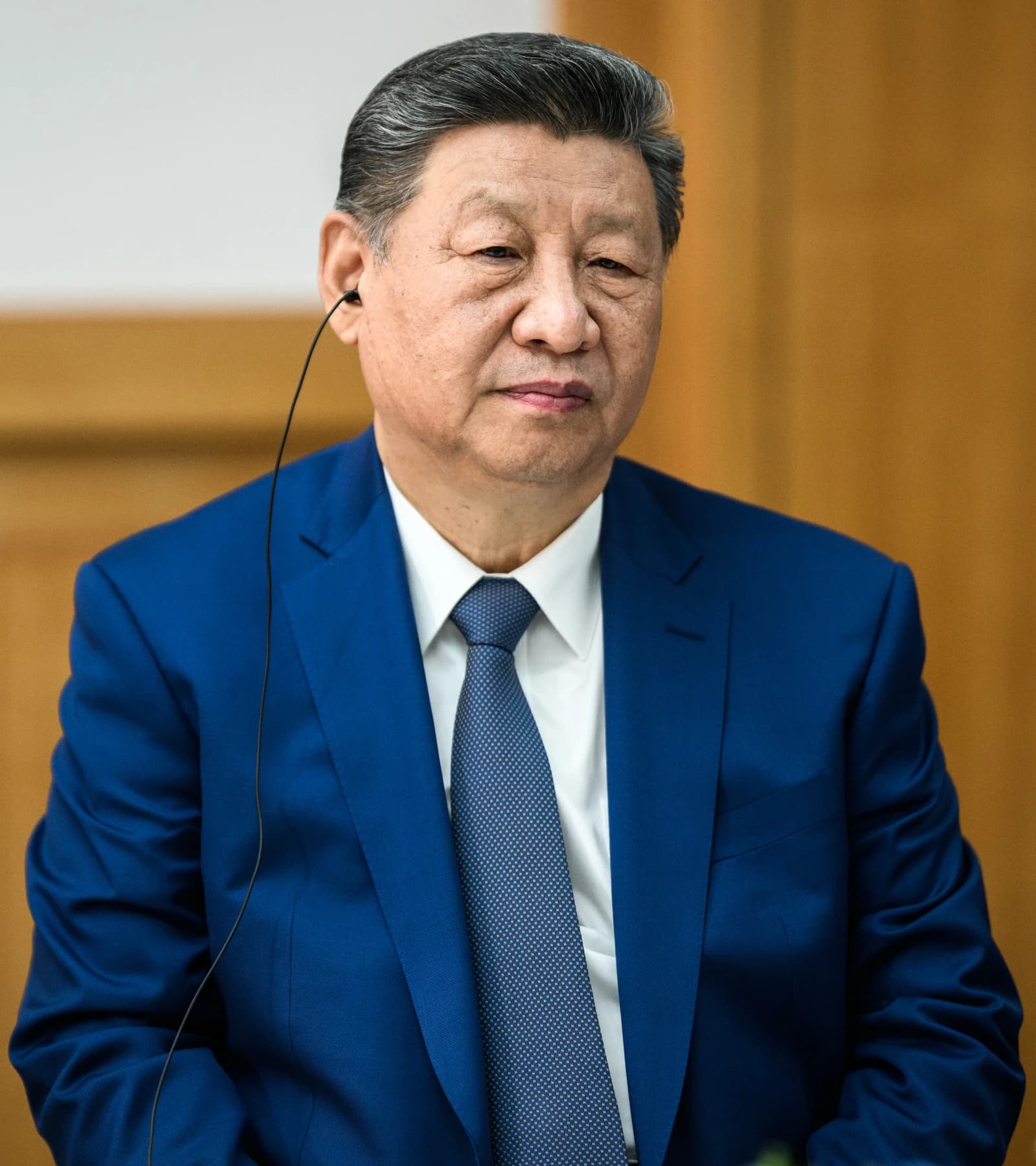
China is moving to frame its relationship with Washington as one of equals even as it prepares new trade proposals for the APEC summit, a sign Beijing wants to keep dialogue open without conceding ground on the broader US-China rivalry.
China APEC trade plans and US relations
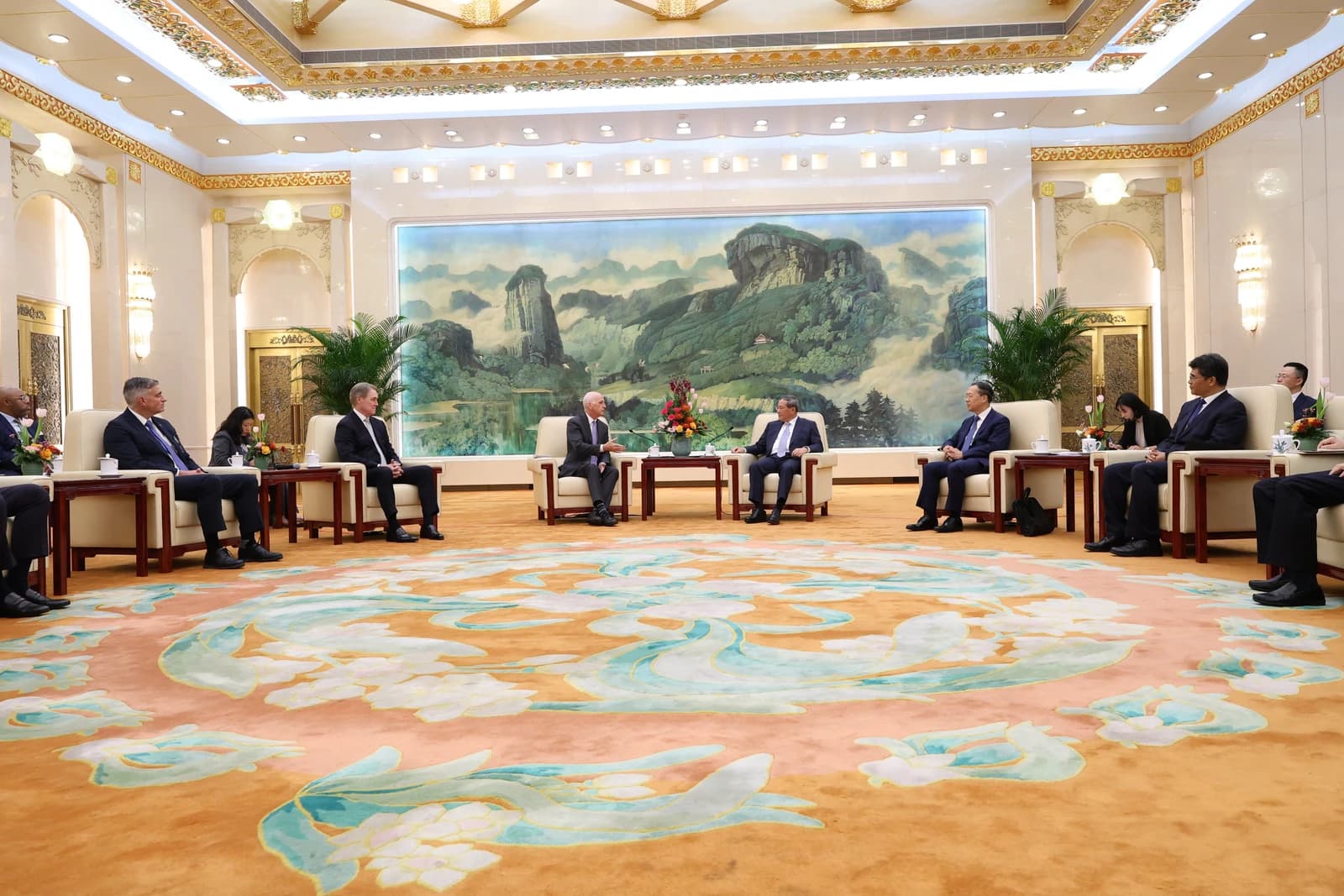
That matters economically because the two countries remain central to global trade flows, supply chains and investor risk appetite. China’s plan to table two new action plans for a regional free trade agreement suggests it is trying to widen its commercial options in Asia while preserving the fragile truce with the US, which has been extended by two months despite lingering disputes.
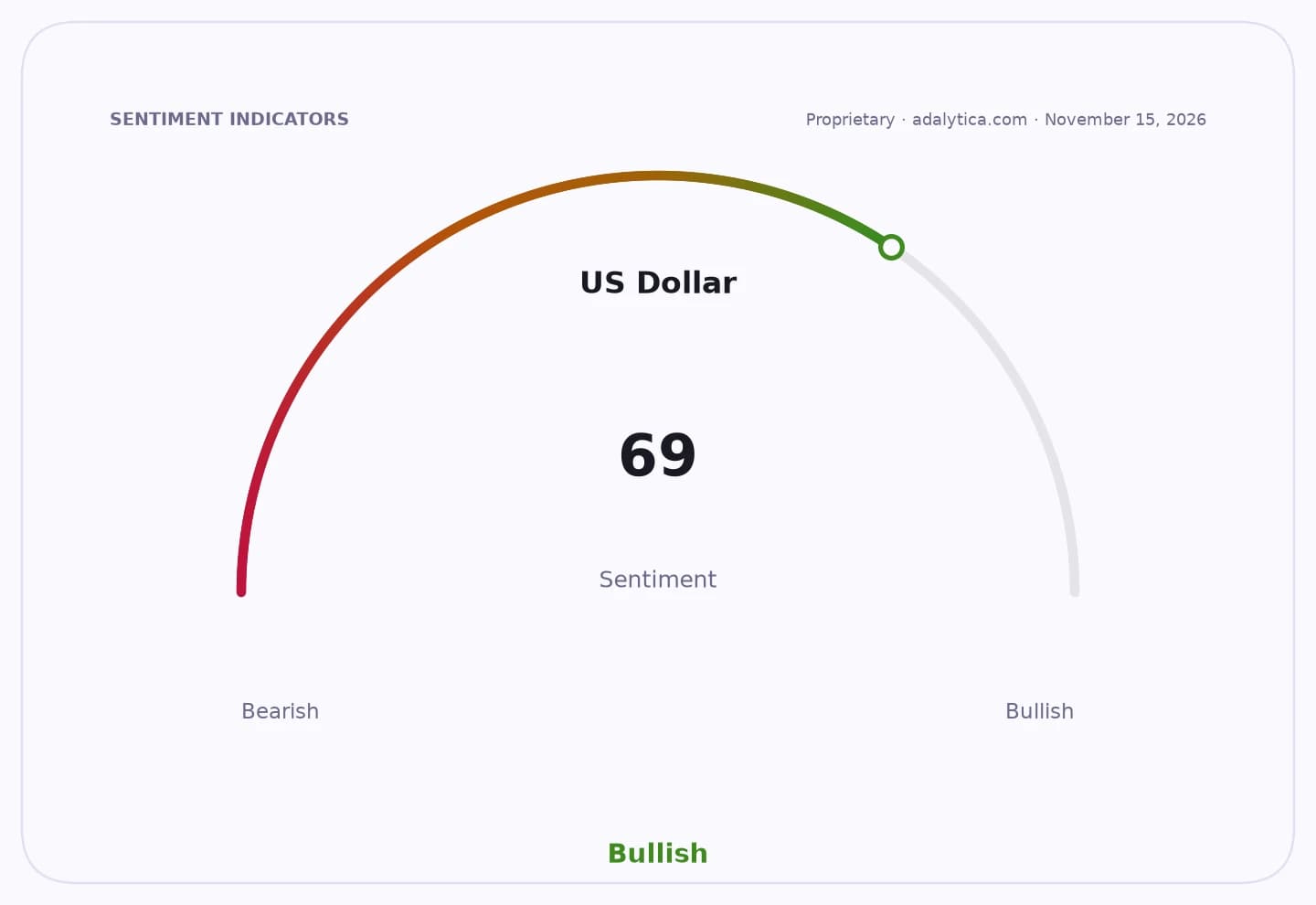
Sentiment Indicators
US-China Relations
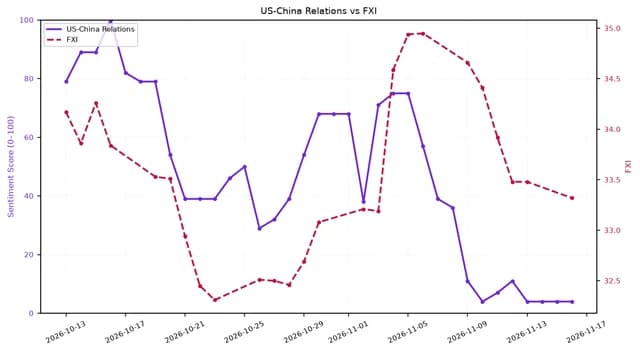
For markets, the tone of the engagement matters as much as the substance. The US-China relations gauge from Adalytica.com shows “Extreme Fear” at 4, with sentiment down 81 points over 30 days, underscoring how quickly confidence in the detente has eroded. A separate China CCP policy direction reading has also fallen sharply, while global stability sentiment sits in “Extreme Fear,” pointing to persistent geopolitical discounting in risk assets.
Chinese equities reflected that caution. The iShares China Large-Cap ETF, FXI, was little changed at $33.32 on Nov. 16 after trading as high as $33.66, but remains below its 200-day moving average of $35.23. Direxion Daily FTSE China Bull 3X Shares, YINN, fell to $22.78 from $23.15 two days earlier and is also trading under its 200-day average, signaling investors are not yet pricing in a durable thaw.
Energy markets are another reminder of how sensitive geopolitics remains to the trade backdrop. USO, the US oil ETF, dropped to $140.03 on Nov. 16 from $146.07 on Nov. 12, with the decline coming alongside weaker geopolitical sentiment and a higher-risk macro tone. Any improvement in US-China trade ties could help stabilize demand expectations, while a breakdown would likely add pressure to already jittery commodity and equity markets.
For investors, the key question is whether Beijing’s APEC initiative leads to a broader, more predictable economic channel with Washington or just preserves a low-grade truce. The next catalyst is the leaders’ meeting and any follow-up on tariffs, export controls and regional trade architecture.
| Entity | Gains | Losses |
|---|---|---|
| China | ▲Regional trade leverage | ▼Bargaining room with Washington |
| US exporters | ▲Better market access | ▼Pressure on protected sectors |
| FXI investors | ▲Lower policy risk | ▼Breakthrough trades |
| YINN shorts | ▲Volatility premium | ▼Sharp relief rally |