A sharp divergence between SK Telecom’s U.S.-listed ADR and its Korean share class has become a live lesson in how inefficient global markets can be when liquidity, currency and investor access collide.
SK Telecom ADR and Korea shares diverge
That gap matters because it is exactly the kind of mispricing that creates asymmetric trades: short the expensive wrapper, own the cheaper local security, and let convergence do the work. For investors, the bigger message is that telecom cash flows, not hype, can still produce a compelling relative-value opportunity when sentiment and structure overwhelm fundamentals.
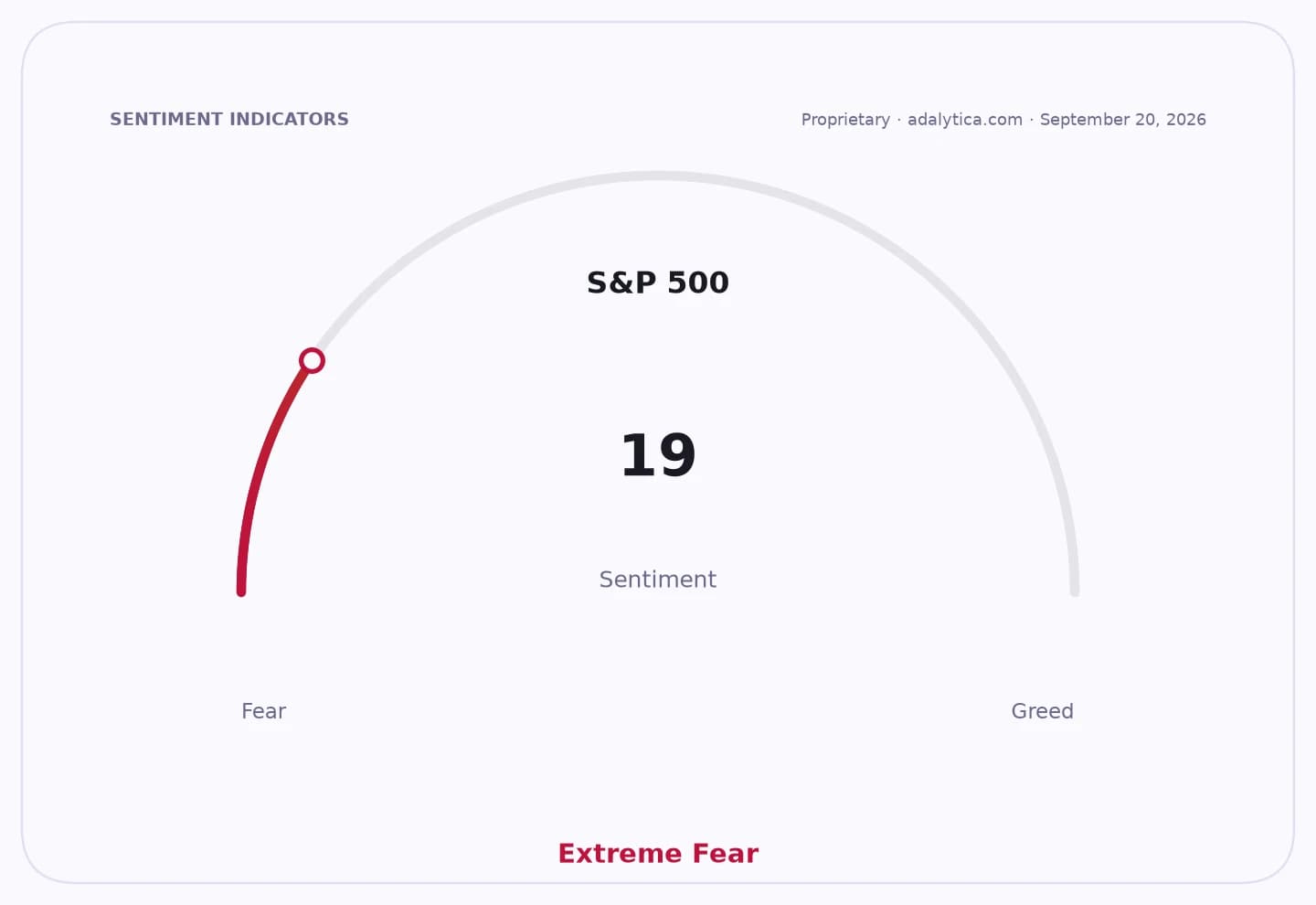
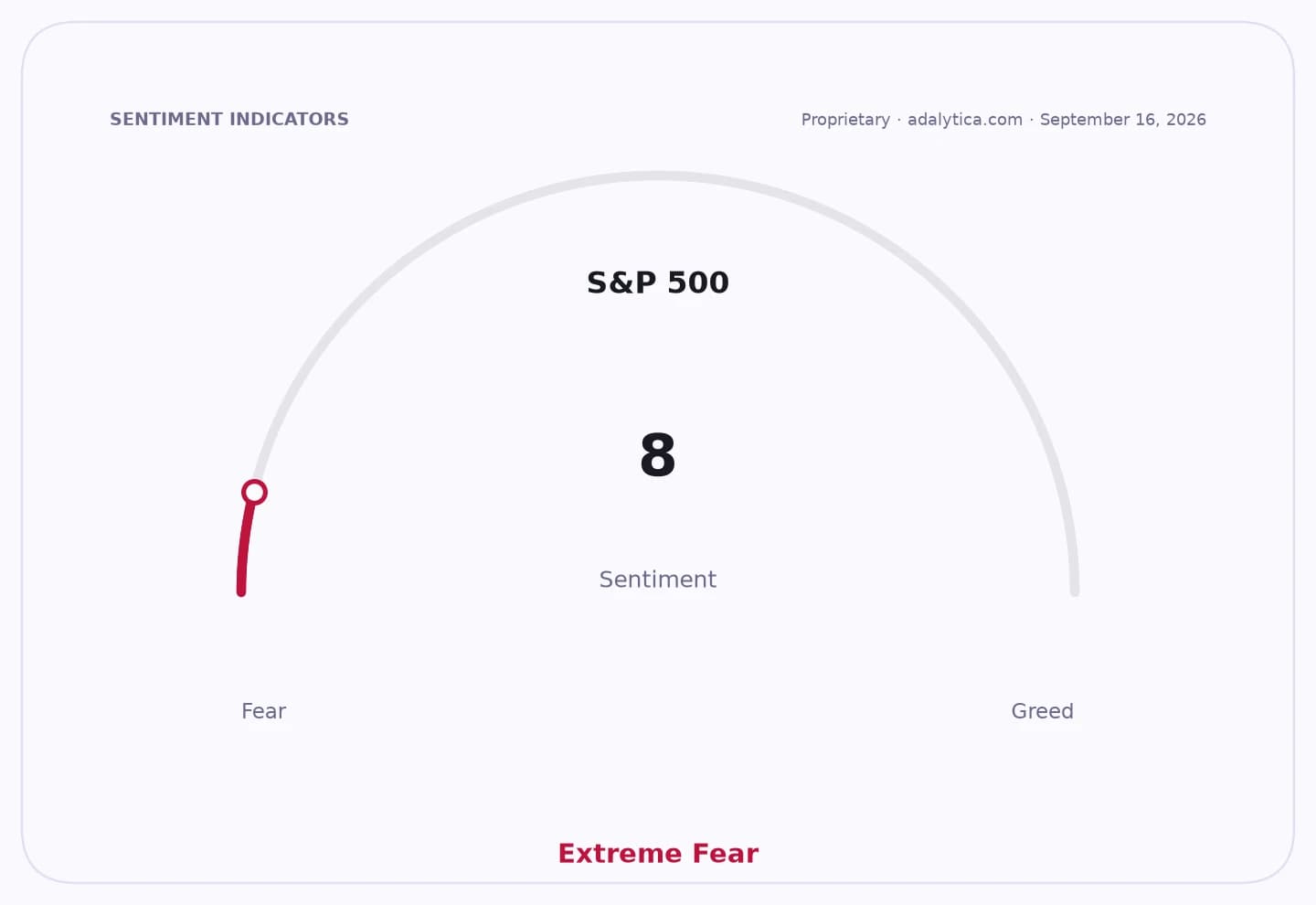
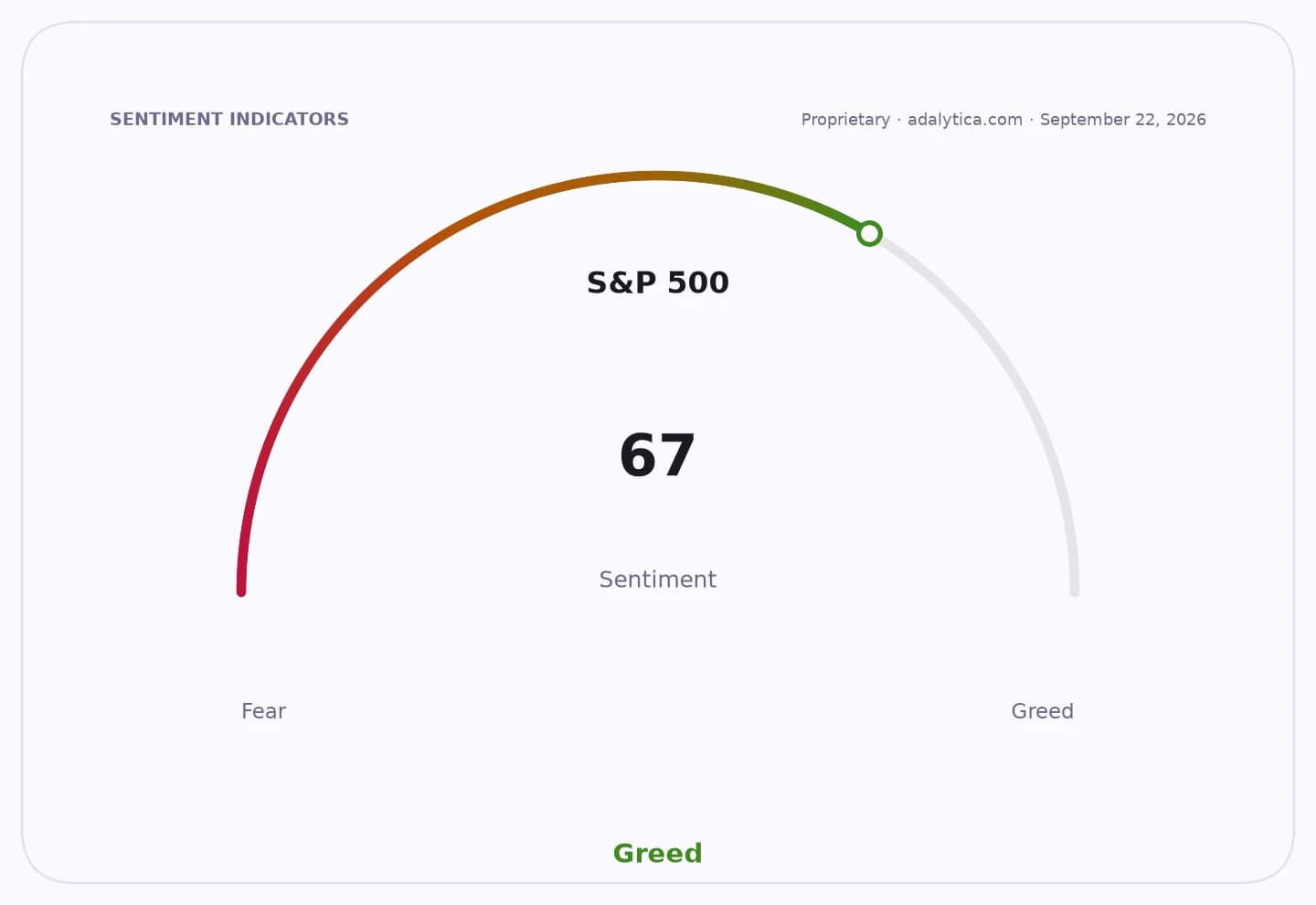
Sentiment IndicatorsⓘProprietary · adalytica.com · September 5, 2026
This is a snapshot — live sentiment, awareness and momentum for 130+ markets update continuously in the dashboard.Open AlphaPulse
On the U.S. side, SKM has swung violently even though the operating backdrop has not justified a rerating that dramatic. The ADR traded as high as $46.00 on June 2 before falling to $29.64 on July 29 and then recovering to $38.70 on Sept. 4. That is a huge move for a mature telecom name, and it came alongside a 50-day moving average that has climbed to $34.77, while the share price pushed back above that level. Technical readings suggest the stock has cooled from overheated conditions: RSI fell from 78 in mid-August to 43.3, while MACD remains positive but has narrowed.
The setup is more interesting when viewed through the lens of cross-market plumbing. Adalytica’s FX volatility signals show “Extreme Fear,” with awareness at 4 and sentiment at 11, even as the U.S. dollar trade signals have turned more constructive. That kind of backdrop can distort ADR pricing, especially when cross-border capital is chasing yield, liquidity or simple familiarity rather than intrinsic value. In those moments, the market often pays too much for the tradable U.S. line and too little for the local listing.
That is why the short-SKM, long-000660 thesis is attractive in principle. Korean-listed shares should better reflect the company’s underlying cash generation, domestic operating reality and local investor base, while the ADR can become detached when U.S. flows, FX assumptions and scarcity value dominate. If the spread normalizes, the return does not depend on the telecom business reaccelerating; it depends on pricing discipline returning to the market.
The broader investable lesson is that inefficiency is itself a tradeable theme. In a world of AI-fueled capex, geopolitical fragmentation and volatile currency markets, not every opportunity sits in the obvious megacap winners. Some of the cleanest returns come from structure, not story: buying the same cash flows where the market is least emotional and fading the wrapper that has become too expensive.
For investors, the implication is straightforward. Keep an eye on ADRs that have outrun their local listings, especially in sectors with stable fundamentals and limited operating surprise. The market may eventually close the gap, and when it does, the payoff can be driven by valuation convergence rather than heroic earnings assumptions.
| Entity | Gains | Losses |
|---|---|---|
| 000660 / HY9H local shares | ▲Convergence buyers | ▼ADR premium traders |
| SKM ADR | ▲Short sellers | ▼Momentum chasers |
| Relative-value arbitrage funds | ▲Spread compression | ▼Mispricing persists |
| Korean telecom fundamentals | ▲Price discovery | ▼Currency-linked volatility |