The Société Générale-backed “Trader 2026” stock market game is underway, and participants can still join as Indian markets reel from a two-day selloff that has put volatility, crude prices and geopolitics at the center of trading decisions.
Société Générale Trader 2026 game starts amid selloff
That matters because the contest is built around live market conditions, with virtual portfolios judged on absolute performance through Oct. 30, while investors across real markets are already being forced to navigate the kind of risk-off backdrop that rewards fast reads on macro shocks, not just stock picking.
The onvista play group adds another layer of competition, pitting entrants against traders including Martin Goersch, Sebastian Wurm and Georg Buschmann, with weekly depot updates on YouTube. For participants, the incentive is not only bragging rights but prizes ranging from a Range Rover Evoque worth about 65,000 euros to an Apple iPhone 17, plus a separate New York trip for onvista players who finish with a positive return and at least eight trades.
The game’s structure favors active traders. Each entrant gets two virtual depots with 100,000 euros in starting capital, can trade Stuttgart-listed stocks above 1 euro and Société Générale-issued derivatives on Euwax, and is charged 10 euros per stock order or 3.90 euros per derivative execution. Rankings update nightly, and capital actions such as stock splits are reflected, meaning contestants are being scored on how well they manage exposure, cash and timing rather than simply holding through moves.
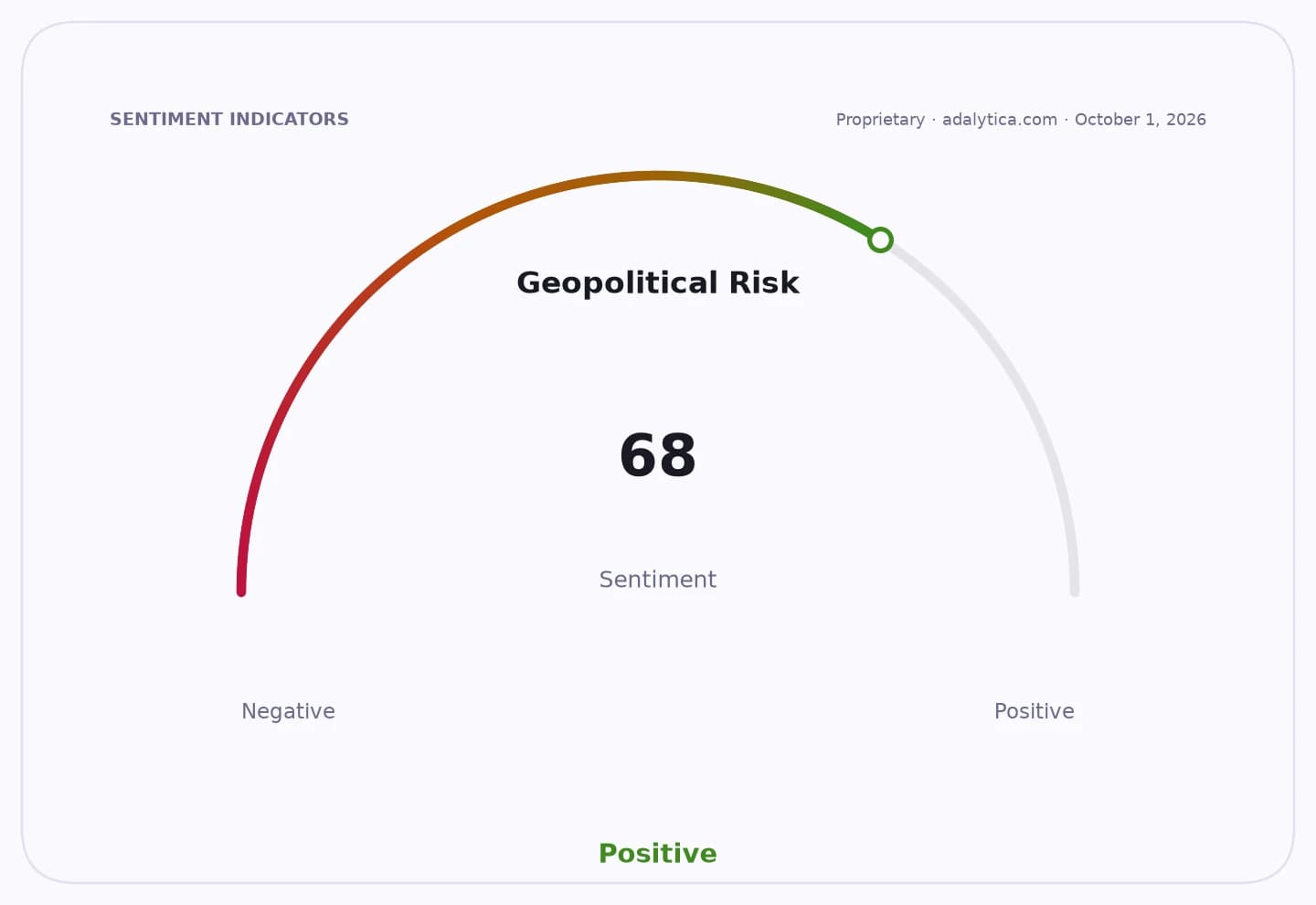
That setup makes the current market backdrop relevant beyond the game itself. The broader trading environment has turned choppier as India’s benchmark indexes slumped after a sharp risk-off move tied to West Asia tensions and higher oil prices, a combination that typically pressures import-sensitive economies, financial conditions and sentiment across emerging markets. For traders in the competition, that raises the value of hedges, leverage discipline and quick rotation into momentum names.
GAME shares have also reflected the volatility. The stock last closed at 3.06 euros on Sept. 30, down from 3.65 euros on Aug. 25, while its 14-day RSI was 32.5, a reading that points to a technically weak tape after a late-summer burst faded. The shares were trading near their 50-day moving average of 3.15 euros and just above the 200-day moving average of 3.12 euros, suggesting the move has left the stock sitting close to a key technical pivot.
For investors, the story is less about the contest itself than what it highlights: retail and semi-professional trading activity remains highly sensitive to macro shocks, and derivative-heavy games tend to draw attention when volatility rises. The next catalyst for both the contest and the broader market tone will be whether geopolitical tensions ease and oil prices stabilize, or whether traders are forced to keep paying up for protection and short-term tactical exposure.
| Entity | Gains | Losses |
|---|---|---|
| Contest entrants | ▲Prize access, trading practice | ▼Risk of poor rankings |
| Active derivatives traders | ▲Volatility opportunities | ▼Faster losses in whipsaw moves |
| Société Générale | ▲Product visibility, trading volume | ▼Reputation if markets stay weak |
| Long-only investors | ▲None from the setup | ▼Portfolio drawdowns from selloff |