South Africa’s government raised R2.55 billion in a bond auction, underscoring that investors are still willing to fund the state even as global borrowing costs remain elevated and domestic fiscal pressure stays in focus.
South Africa raises R2.55 billion in bond auction
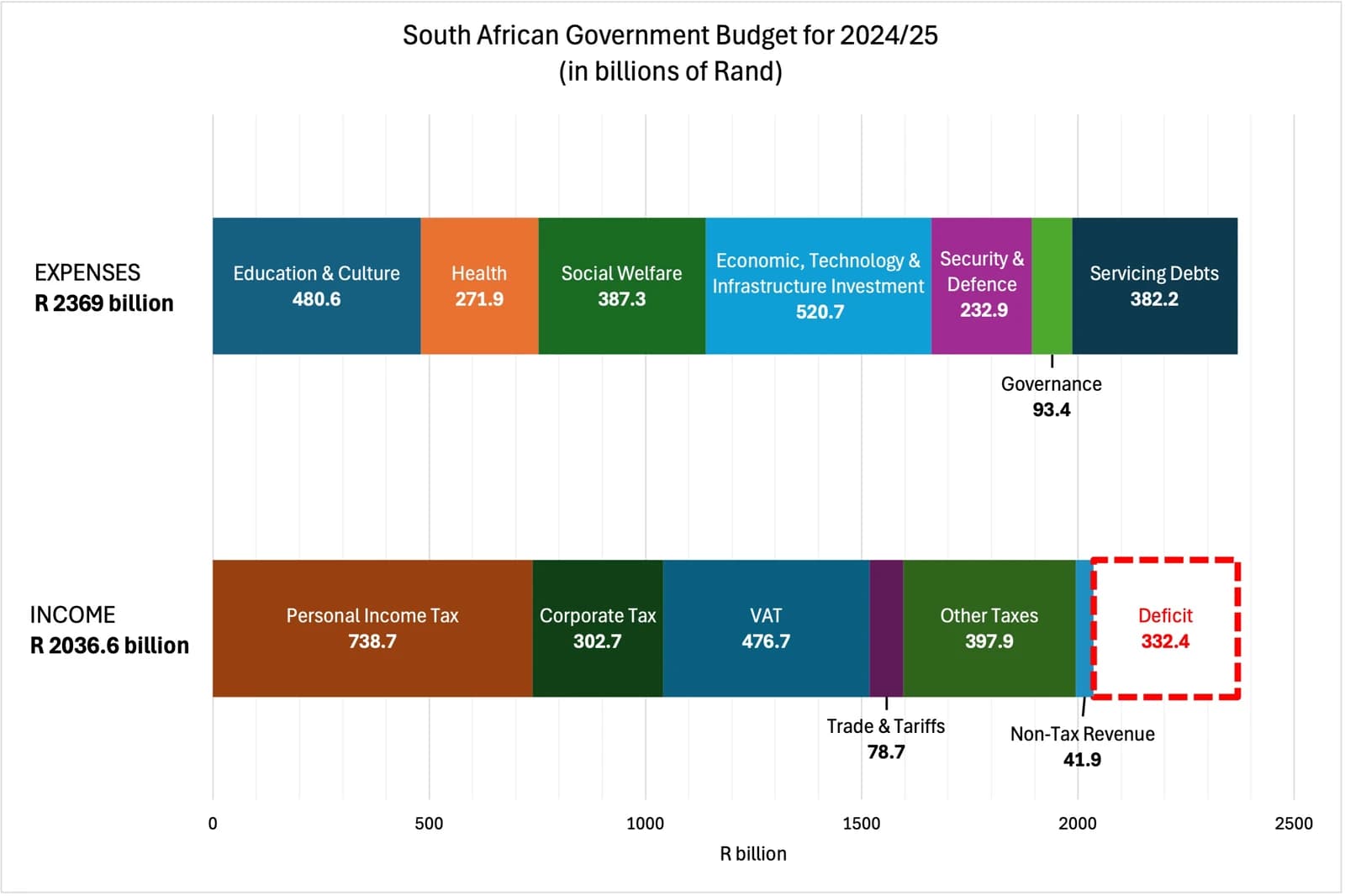
The result matters because South Africa relies on regular debt sales to finance a widening budget gap, and any sign of softer demand can push up funding costs across the curve. In a world where US Treasury yields are hovering around 4.7% on the 10-year and 4.3% on the 2-year, emerging-market borrowers are competing for capital against higher developed-market returns.
Sentiment IndicatorsⓘProprietary · adalytica.com · September 1, 2026
This is a snapshot — live sentiment, awareness and momentum for 130+ markets update continuously in the dashboard.Open AlphaPulse
That backdrop is important for South African investors because auction performance feeds directly into the country’s sovereign borrowing profile, the rand and local bond pricing. Stronger demand can help stabilize yields and reduce refinancing stress, while weak take-up forces the government to pay more to attract buyers and raises concerns about debt sustainability.
The auction also lands amid a broader market where investors are sensitive to oil prices, dollar moves and global rate expectations. Brent and US crude have been volatile, and those shifts can quickly filter into inflation expectations, import costs and the South African Reserve Bank’s policy room.
For local assets, the key question is whether the government can keep placing debt without having to concede materially higher yields. The next auctions will show whether this was a one-off clearing of supply or evidence that buyers are becoming more selective about South Africa’s fiscal risk.
| Entity | Gains | Losses |
|---|---|---|
| South African government | ▲Raises funding | ▼Faces debt-service pressure |
| Bond investors | ▲Pick up sovereign paper | ▼Take duration and fiscal risk |
| South African bonds | ▲Gain market liquidity | ▼Yield volatility |
| South African taxpayers | ▲Benefit if borrowing stabilizes | ▼Hurt if funding costs rise |