A third of South Africans actively using credit are already overextended, a warning sign that consumer finances are under strain and that lenders may be facing a tougher stretch ahead.
South Africa Credit Users Overextended, Banks Face Risk
That matters because household borrowing is not just a personal budgeting problem; it is a macroeconomic one. When consumers are stretched, they pull back on spending, which can slow retail sales, weaken credit growth and eventually weigh on the broader economy. In a country where demand is still sensitive to interest rates, job security and food and fuel costs, the difference between manageable debt and distress can be the difference between a stable recovery and a more fragile one.
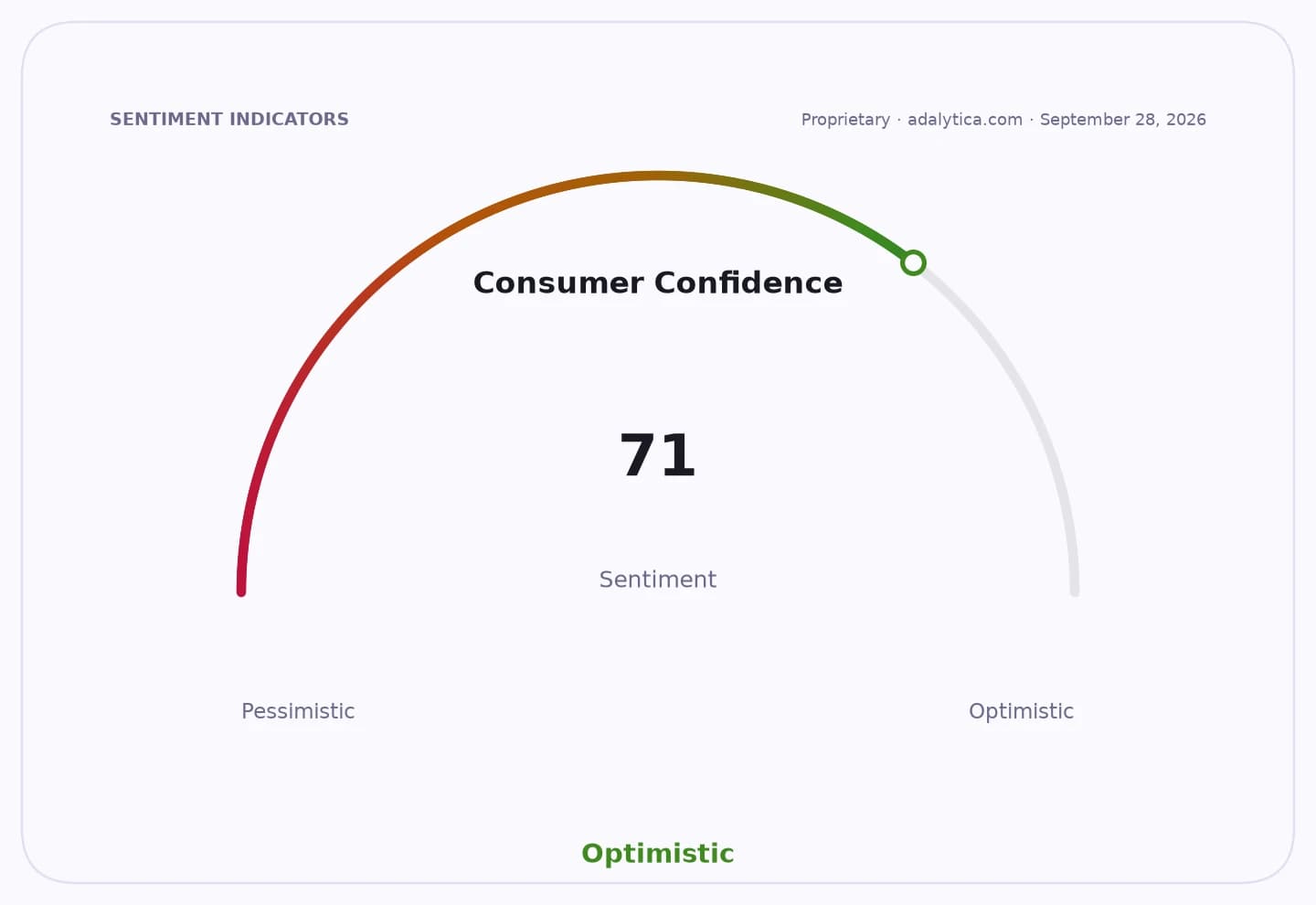
Sentiment IndicatorsⓘProprietary · adalytica.com · September 27, 2026
This is a snapshot — live sentiment, awareness and momentum for 130+ markets update continuously in the dashboard.Open AlphaPulse
The broader backdrop is not especially forgiving. South Africa is still dealing with the lingering effects of high living costs, weak growth and a labor market that has struggled to absorb millions of job seekers. Even if inflation has eased from peak levels, many families have not recovered the ground they lost during the recent surge in prices. The result is a consumer base that may look intact on the surface but is often one shock away from trouble.
For investors, that creates a split story. Banks and lenders can still benefit from credit demand, but they also face higher risk of missed payments, tougher collections and slower growth in unsecured lending. Retailers and other consumer-facing companies may feel the squeeze if households trade down, delay purchases or rely more heavily on credit just to keep spending. The strongest operators will be those with disciplined underwriting, resilient balance sheets and enough pricing power to protect margins without driving customers away.
The warning is also a reminder that debt growth is not always healthy growth. Credit can support consumption in the short term, but if too many borrowers are already in the red, it becomes a drag on future demand rather than a bridge to it. For long-term investors, that argues for caution around highly leveraged consumer exposure and a preference for businesses that can compound through cycles instead of depending on stretched households.
In South Africa, the next phase will likely hinge on whether wages, employment and borrowing costs improve fast enough to give consumers room to breathe. Until then, the message for households is simple: stop getting into debt. For investors, the smarter move is to favor quality, stay diversified and watch which lenders and retailers are built to survive a more pressured consumer.
| Entity | Gains | Losses |
|---|---|---|
| Prudent lenders | ▲Better credit discipline | ▼Slower loan growth |
| Overextended consumers | ▲Short-term relief from caution | ▼Higher default risk |
| Retailers with strong pricing power | ▲More resilient margins | ▼Weaker discretionary spending |
| South African banks | ▲Stable borrowers over time | ▼Rising arrears and collections pressure |