The biggest risk for South Africa is not just diplomatic friction with Washington, but what that friction could do to trade, capital flows and the rand at a time when global investors are already skittish about geopolitical shocks.
South Africa ETF EZA Nears High on US Risk
A US threat aimed at South Africa would matter economically because South Africa remains deeply exposed to external demand, imported inflation and foreign portfolio money. If relations deteriorate enough to put sanctions, tariff penalties or investment warnings on the table, the first casualty could be confidence. That would be costly for a country still fighting weak growth, high unemployment and the lingering need to keep foreign money engaged.
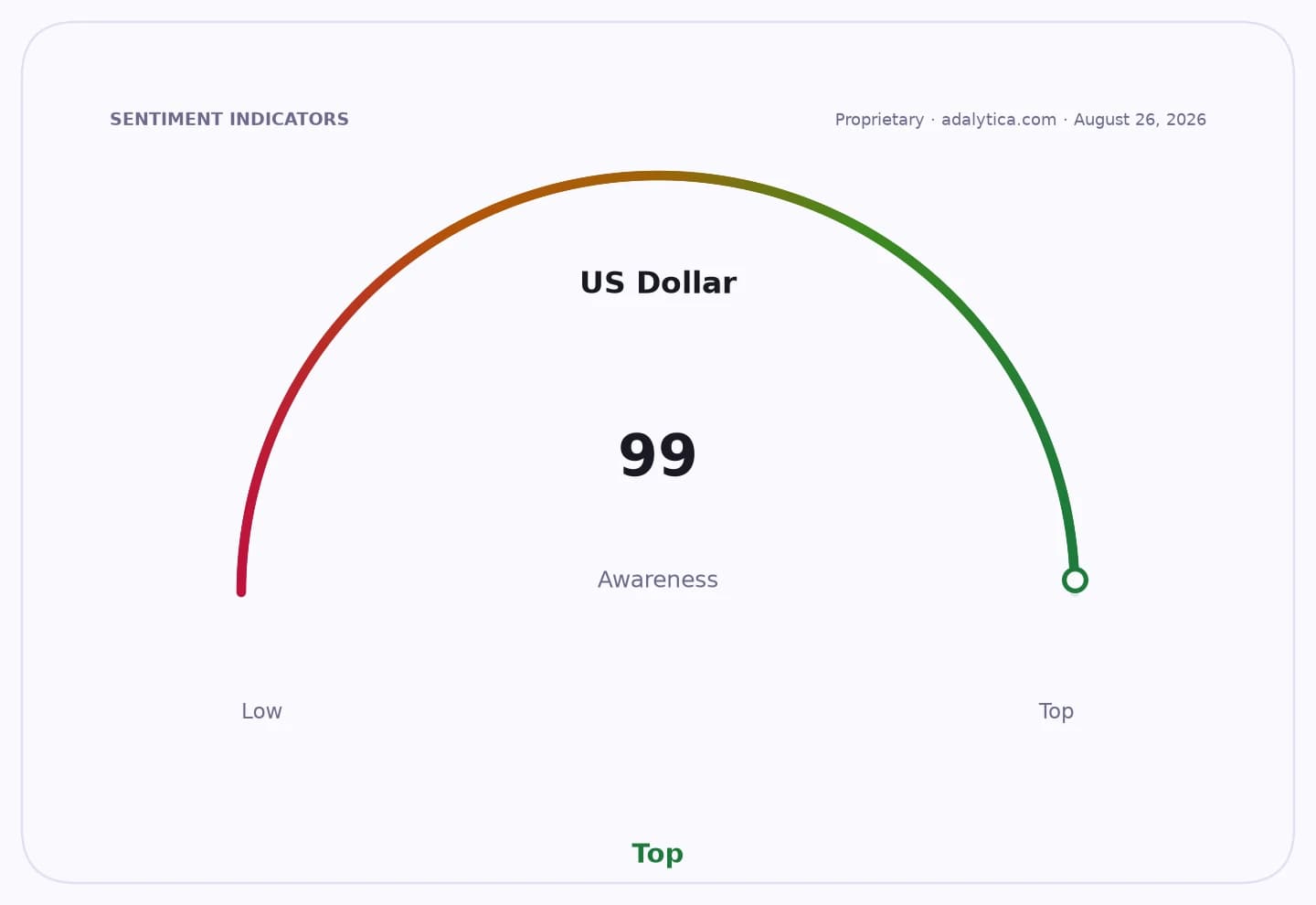
Sentiment IndicatorsⓘProprietary · adalytica.com · August 26, 2026
This is a snapshot — live sentiment, awareness and momentum for 130+ markets update continuously in the dashboard.Open AlphaPulse
For investors, the key question is who feels the pain first. South African exporters tied to global trade would face a tougher operating backdrop if access to the US market or US-linked financing became less predictable. The rand would also likely bear the brunt, and that matters far beyond foreign-exchange traders: a weaker currency can feed into higher import prices, complicating the outlook for inflation and interest rates.
The market reaction in South African assets already suggests investors are alert to that kind of risk. The iShares MSCI South Africa ETF, EZA, has pushed back to $72.51, near its recent highs and above its 50-day and 200-day moving averages, while the relative strength index remains elevated at 68.9. That tells you the market has been willing to look through the noise for now. The same is true for broader emerging-market appetite, but that comfort can fade quickly if a Washington-Washington clash hardens into policy.
There is a second layer here that long-term investors should not ignore: South Africa’s domestic economy has finally been getting some relief from inflation. Food inflation has eased to a 16-year low, which helps households and gives policymakers a little breathing room. But external pressure from the US would cut in the opposite direction by threatening trade terms and market sentiment just as the country tries to stabilize.
That is why this story is bigger than one headline. It is about whether South Africa can keep attracting capital while navigating a more fragmented geopolitical landscape. If the US threat proves symbolic, the market may shrug it off. If it turns into real economic measures, South African assets, especially the rand and export-sensitive equities, could come under pressure even if local fundamentals continue to improve.
For investors with a multi-year horizon, the lesson is simple: watch South Africa through the lens of currency stability, trade access and policy credibility. Those are the variables that will decide whether this is a temporary headline or a durable drag on returns.
| Entity | Gains | Losses |
|---|---|---|
| South African consumers | ▲Relief from lower food inflation | ▼Higher import costs if rand weakens |
| South African exporters | ▲None if US access is restricted | ▼Trade uncertainty and financing risk |
| US policymakers | ▲Leverage in a bilateral dispute | ▼Risk of upsetting trade and investment ties |
| EZA holders | ▲Possible long-term entry point if fears fade | ▼Near-term volatility from geopolitics |