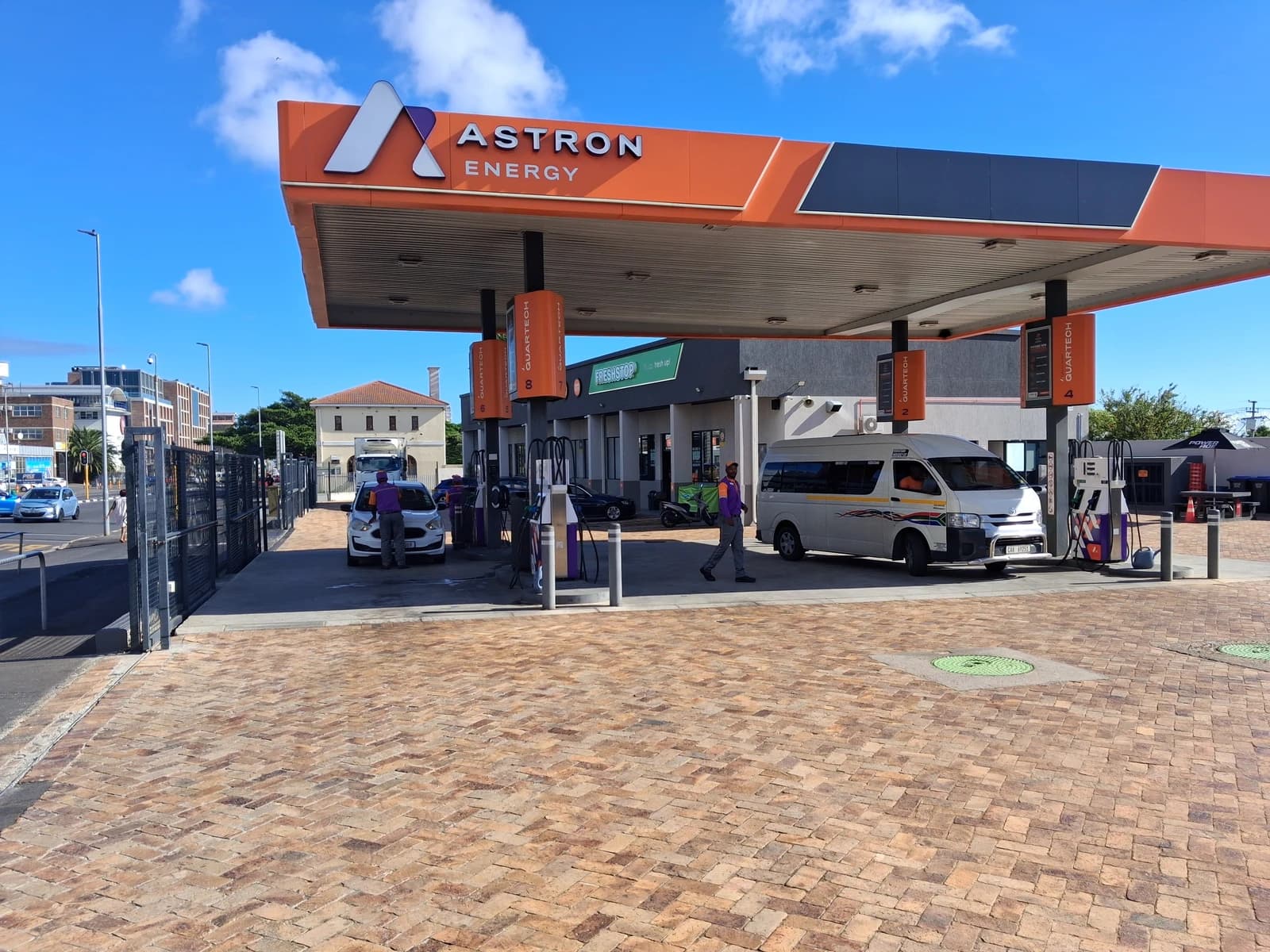
South African motorists are spending as much as R950 more a month on petrol than they were a year ago, underscoring how higher fuel costs are squeezing household budgets and forcing drivers to cut discretionary travel.
South African motorists spend up to R950 more on petrol
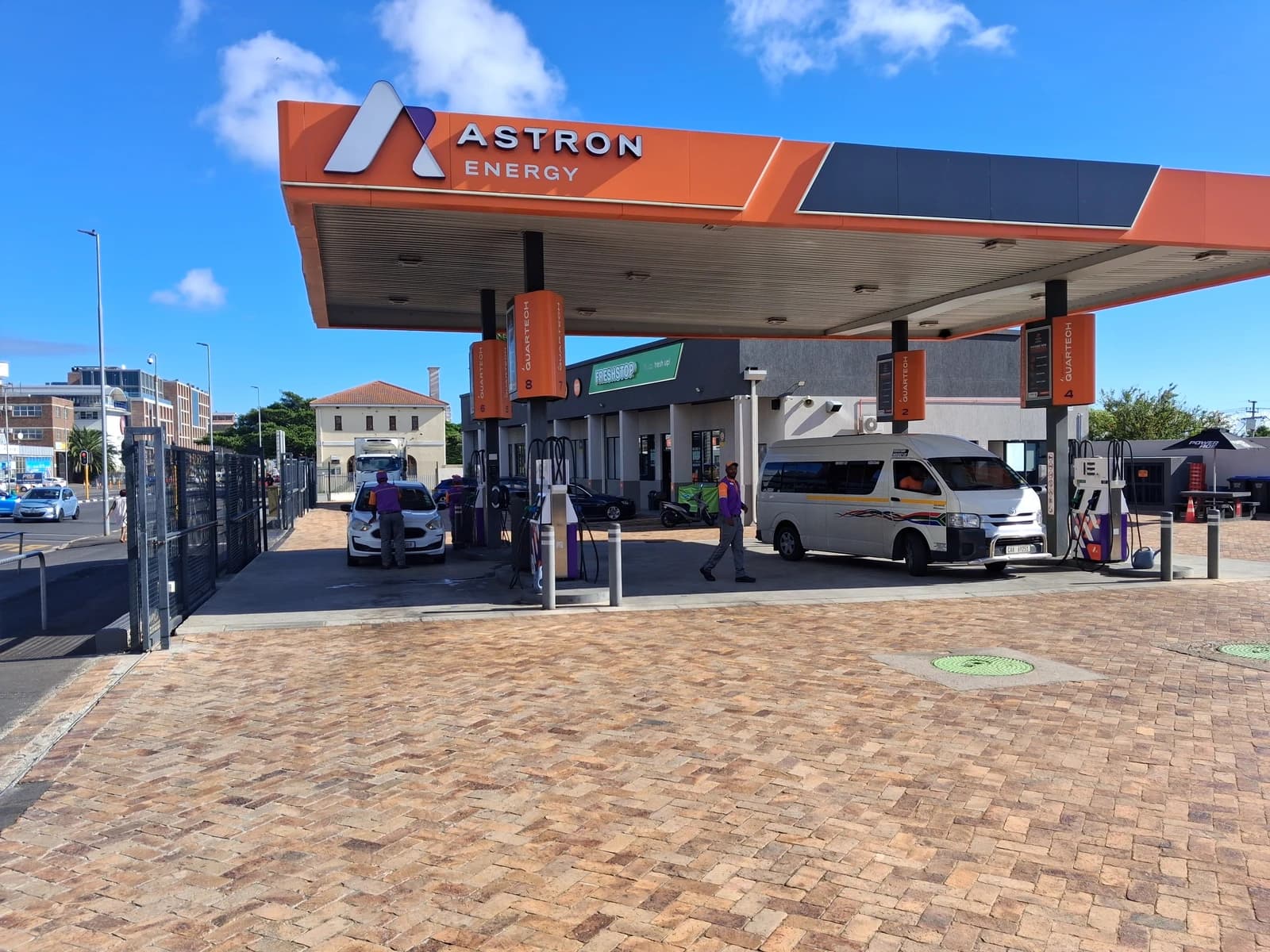
New data from Discovery Insure shows average monthly petrol spending among its clients has climbed from about R1,750 in 2025 to as much as R2,700 in 2026, a jump of up to 54%. The insurer said the surge has changed buying patterns as households try to manage a fuel bill that has become harder to absorb.
Sentiment Indicators
Oil WTI
The shift matters because fuel is a non-discretionary expense for most workers and families in South Africa, where transport costs feed directly into consumer spending, inflation expectations and broader living costs. Discovery said motorists are filling up less, travelling fewer kilometres and making smaller refills, with purchases below 20 litres accounting for nearly 40% of transactions between the 25th and month-end during months of large increases, roughly double the normal share.
Drivers are also going to forecourts more often ahead of price hikes, with average monthly visits rising from 2.4 to just over three. In some months, the behaviour turns into panic buying: in October, fuel purchasing volumes jumped 300% before midnight on Oct. 6, while diesel purchases rose 400% after petrol prices climbed above R30 a litre and increased by R3.33 a litre.
That pressure is already showing up in driving habits. Discovery said trips fell 10% and kilometres travelled dropped 9% in April, and by May motorists were driving 9% less than before the increases. But those reductions proved temporary, with travel returning to normal later in the year before falling again after the October increase.
For investors, the data reinforces how fuel volatility can act as a tax on consumers, weighing on retail demand and broadening cost pressure across the economy. It also highlights the sensitivity of South African households to the pump price, especially when fuel becomes a larger share of monthly outgoings.
The near-term focus is on the next official adjustment, due to be announced by the Department of Mineral and Petroleum Resources on Wednesday. Month-end data from the Central Energy Fund points to under-recoveries of about R1 a litre, and Treasury’s fuel relief measures could swing November’s outcome to a small cut in prices.
| Entity | Gains | Losses |
|---|---|---|
| Fuel retailers | ▲Higher volumes before hikes | ▼Consumers cutting back on spend |
| Oil producers/exporters | ▲Stronger pricing power | ▼South African motorists |
| South African households | ▲None | ▼Rising transport budgets |
| South African consumer sectors | ▲None | ▼Weaker discretionary spending |