Spain’s August auto market delivered a cleaner read on where European demand is heading: battery-electric and electrified models are moving deeper into the mainstream, and Chinese brands are using fresh launches to widen their foothold while premium makers defend share with higher-priced EVs.
Spain August auto sales rise as EV launches expand
The most economically meaningful development is not just that BMW, Geely, Dongfeng and Hyundai rolled out new models in Spain, but that they did so into a market that is still expanding. New-car registrations in Spain rose 11.8% year on year in August to 68,544 units, while the year-to-date total climbed 6.3% to 818,201. That matters because Spain remains one of Europe’s more price-sensitive markets, so a pickup in sales alongside a wave of EV launches suggests consumer acceptance is improving even without a return to pre-summer volumes above 100,000 units.
Sentiment IndicatorsⓘProprietary · adalytica.com · September 4, 2026
This is a snapshot — live sentiment, awareness and momentum for 130+ markets update continuously in the dashboard.Open AlphaPulse
The August debut list was led by the Geely E2, which logged 37 registrations and entered the market from about 14,000 euros with incentives. That pricing puts it squarely in the fight for buyers cross-shopping the Renault 5, BYD Dolphin Surf and Volkswagen ID. Polo. For Geely, the significance is strategic: a low-entry EV in Spain offers a route to volume in a market where brand recognition is still limited, but where value and range can quickly win traction.
Dongfeng’s expansion was broader but smaller in scale. The Chinese carmaker added the Mage plug-in hybrid SUV and the Vigo electric SUV, with 17 and nine registrations respectively. The launches show how Chinese manufacturers are not relying on a single powertrain or segment. They are trying to cover the affordable end of the market with both pure EVs and hybrids, a practical response to uneven charging infrastructure and varying buyer appetites across Europe. For incumbents, that is a competitive nuisance because it increases pressure in the exact segments where European brands have relied on scale and residual brand loyalty.
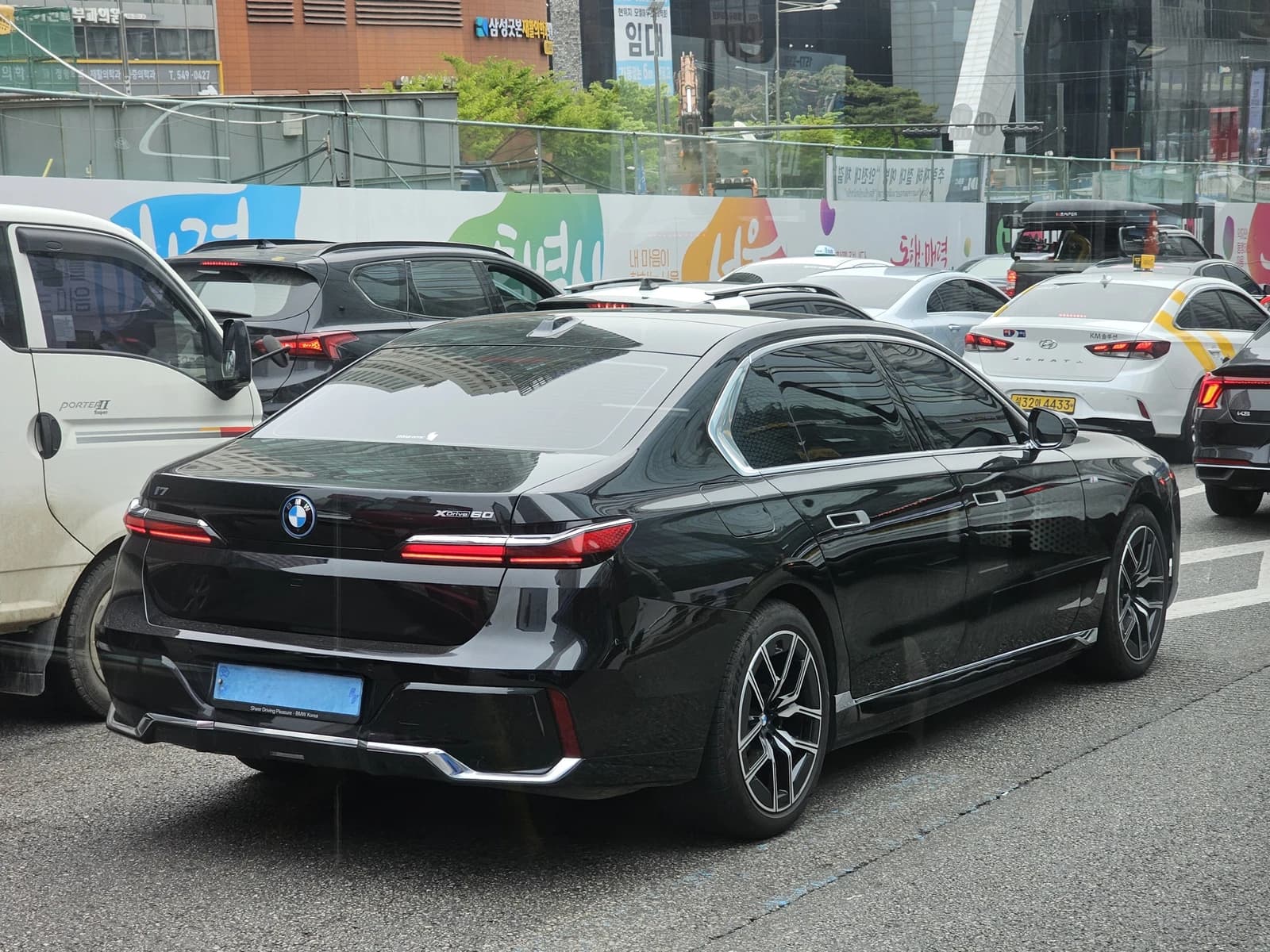
BMW’s new i3 is the clearest signal that premium electrification remains a profit lever even as mass-market EV competition intensifies. The electric alternative to the 3 Series arrived with 11 registrations and a starting price of about 66,000 euros, placing it far above the Geely and Dongfeng entries. That gap matters economically: premium EVs tend to protect margins better than entry-level cars, so BMW can use the i3 to defend its upmarket position while meeting emissions and electrification goals. The risk is that premium EV demand can be more cyclical and more exposed to financing costs, especially if consumer confidence weakens.
Hyundai’s Staria Electric adds another layer to the market. With only two registrations in August, the family-oriented electric van is not a volume story yet, but it underscores how electrification is now reaching niche utility vehicles as well as passenger cars. That broadens the addressable market for EVs, but it also shows how early adoption remains outside the highest-volume segments.
For investors, the story is less about a single launch and more about competitive intensity. Chinese brands are continuing to test European demand with sharper pricing, BMW is leaning on premium EVs to preserve value, and Hyundai is extending electrification across its lineup. The beneficiaries are buyers, who get more choice and lower starting prices in some segments. The losers are legacy automakers with slower product cadence and weaker pricing flexibility, especially if they face rising incentives to move metal.
Spain’s August data will not settle the broader European EV debate, but it does reinforce one message: the market is still growing, and the next phase of competition is increasingly about who can pair electrification with acceptable pricing, not just who can launch the newest model.
| Entity | Gains | Losses |
|---|---|---|
| Geely | ▲Entry-level EV exposure | ▼Established small EV rivals |
| Dongfeng | ▲Broader European footprint | ▼Legacy compact SUV competitors |
| BMW | ▲Premium EV margin defense | ▼Mass-market price competitors |
| Spanish car buyers | ▲More choice and lower entry prices | ▼Incumbent pricing power |