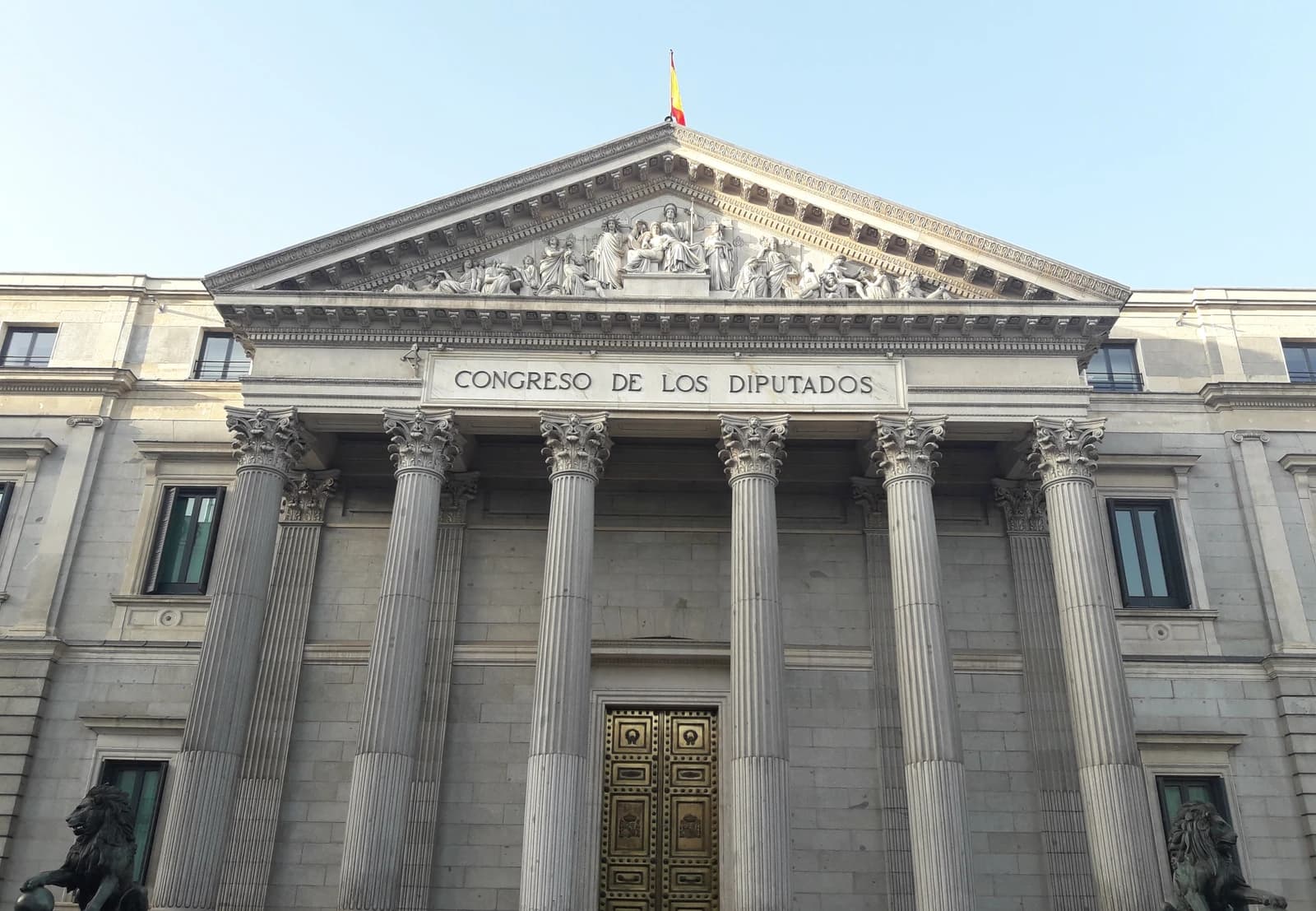
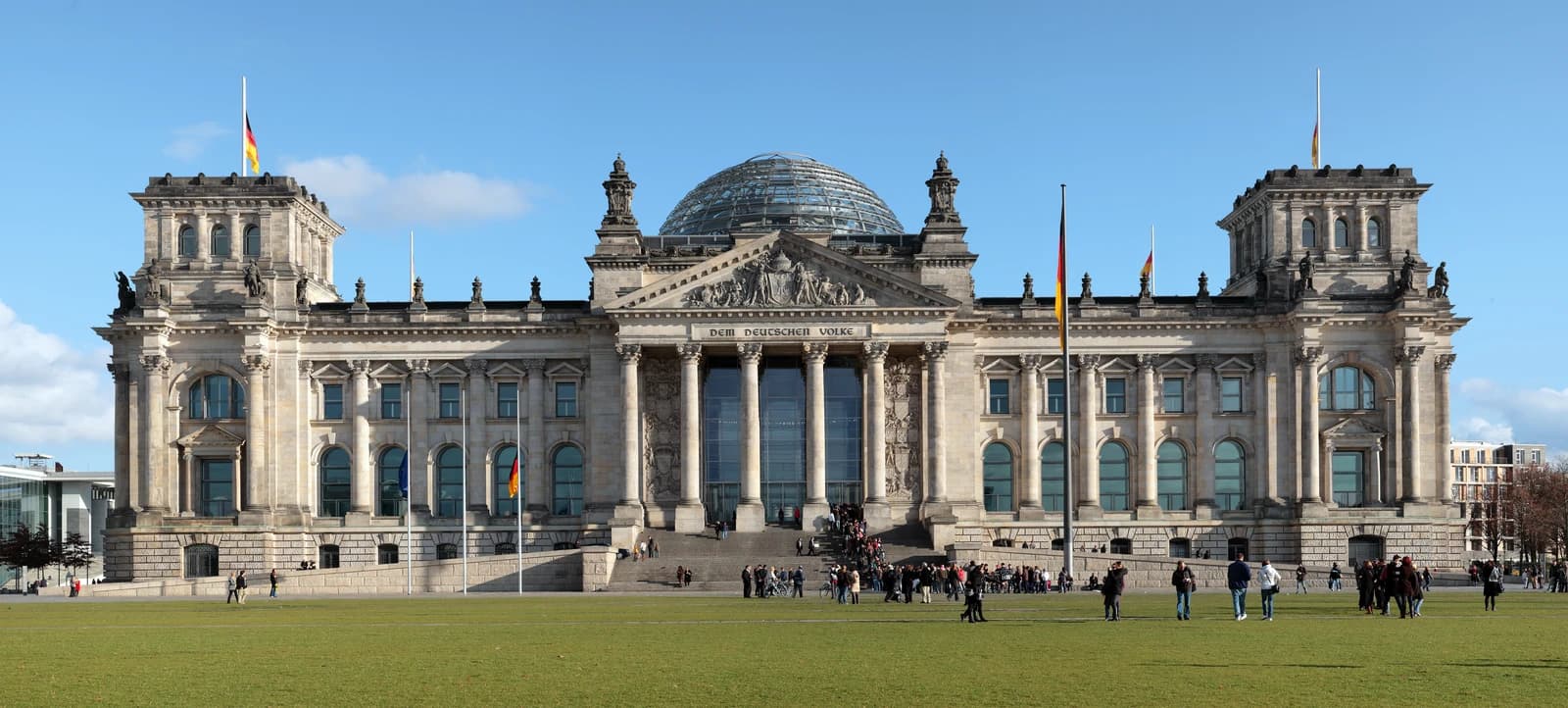
Europe’s far right is gaining political traction, but the bigger market and economic story is that most voters still do not share its zero-sum worldview — and that gap could prove decisive as Spain opens a 12-month election run that will test the continent’s fragile political firewall.
Spain Election Run Tests Europe's Populist Risk
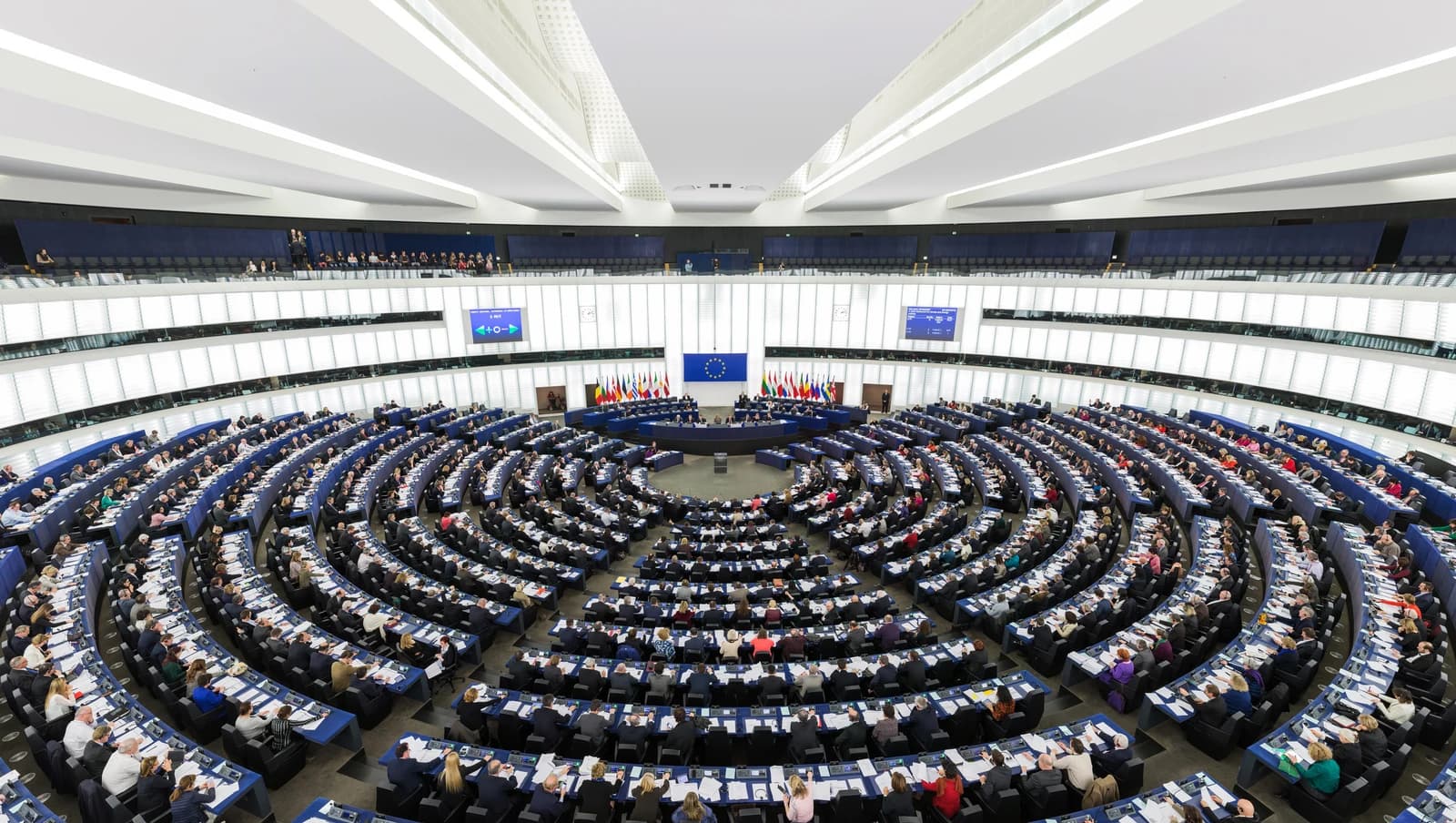
That matters because the next year could reshape policy in the euro area’s core economies, from migration and welfare to climate, labor and Europe’s relationship with the U.S. A hard-right wave would raise the odds of fiscal loosening, institutional paralysis and renewed pressure on the euro, while a more fragmented but still centrist outcome would preserve the policy continuity investors have been betting on.
Sentiment Indicators
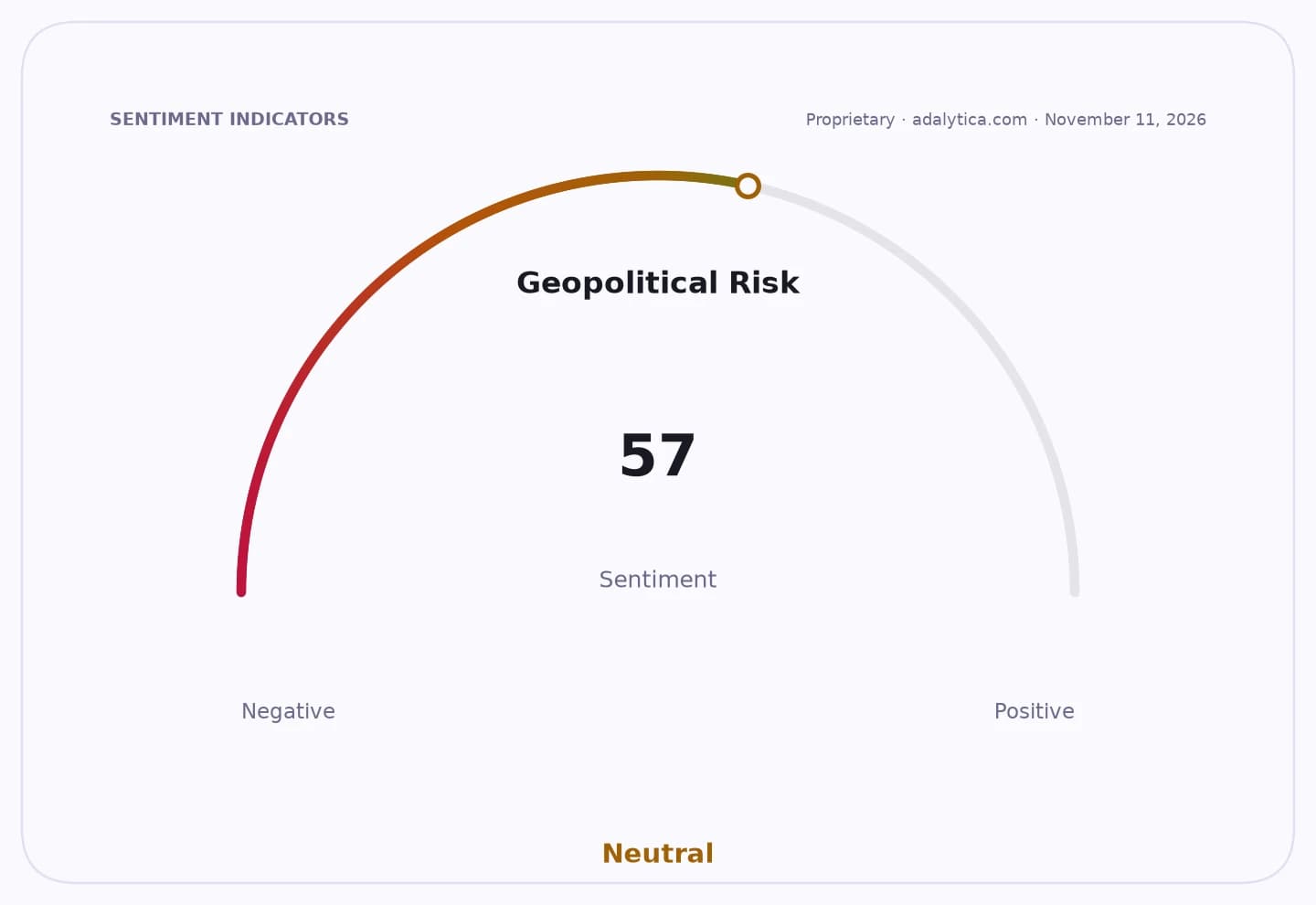
Geopolitical Risk
The immediate risk is not just that parties such as Spain’s Vox could enter government. It is that mainstream conservatives across Europe are already borrowing the far right’s language and policy demands, from “national preference” in welfare to challenges to abortion and LGBTQ protections. That normalization is more dangerous than a single election result because it can move policy even where the far right never wins outright.
Spain is the clearest test case. It is one of the few large European economies still governed from the centre left, yet it is also a country where anti-incumbent anger is visible in the streets and polls. A general strike over housing and rents has underlined the social pressure building beneath otherwise solid macro data. At the same time, Vox support at about 14% remains well short of a governing majority, and the broader public appears less radical than the political rhetoric suggests.
Geopolitical Risk — 30-day sentimentadalytica.com
Explore this data interactively — full history, time series and cross-market comparisons.
Geopolitical Risk
That disconnect is the key investing insight. The polling cited in the piece shows that only 15% of radical-right voters across Europe hold a consistently zero-sum view of society, and in Spain the share is just 12% among Vox voters. Across the countries polled, 61% still want cooperation even when it requires compromise, and 80% reject intolerant attitudes. In other words, the politics are loud, but the electorate is not yet fully captured.
For investors, that means the trade is not simply “buy the far right” or “sell Europe.” It is a more nuanced positioning game. The market should expect volatility around elections, but the base case remains that Europe’s institutional center is more resilient than the headlines imply. That reduces the probability of a full policy rupture, even if coalition politics becomes messier and reform slower.
The ETF tape reflects that tension. The iShares MSCI Spain ETF, EWP, has slipped to about $55.41 from its recent peak above $62, while still sitting above its 200-day moving average of around $57.79 only a few weeks ago before the latest pullback. The iShares Europe ETF, IEV, has also faded to about $67.82, with momentum weakening as its relative strength index falls into the low-30s. That looks less like a collapse in Europe’s long-term equity case than a market waiting for political clarity.
The deeper message is that Europe’s populist challenge is real, but incomplete. Economic dissatisfaction, housing stress and cultural anxiety are giving anti-establishment parties a powerful opening. Yet the data suggest most Europeans still want practical governance, cross-border cooperation and social tolerance. That creates a narrow but important path for centrist incumbents: if they can address cost-of-living pressure without conceding the entire agenda to the hard right, they can blunt the electoral drift.
| Entity | Gains | Losses |
|---|---|---|
| Centre-right parties | ▲Power through coalition deals | ▼Policy purity |
| Far-right parties | ▲Votes and agenda influence | ▼Full governing control |
| European equities | ▲Limited policy continuity | ▼Election-driven volatility |
| Euro and bond markets | ▲If centrists hold | ▼If hard-right coalitions gain traction |