Spain’s rental market is becoming harder to navigate for tenants and increasingly risky for policymakers and landlords alike, with demand now accounting for 80% of participants versus just 16% who are offering homes, according to Fotocasa Research.
Spain rental market shortage deepens, Fotocasa says
The imbalance matters economically because housing is one of the biggest monthly costs for households and a persistent drag on consumer spending. When rent becomes the main barrier to mobility, it also limits labor flexibility and keeps inflation pressure alive in a sector that feeds directly into the cost of living.
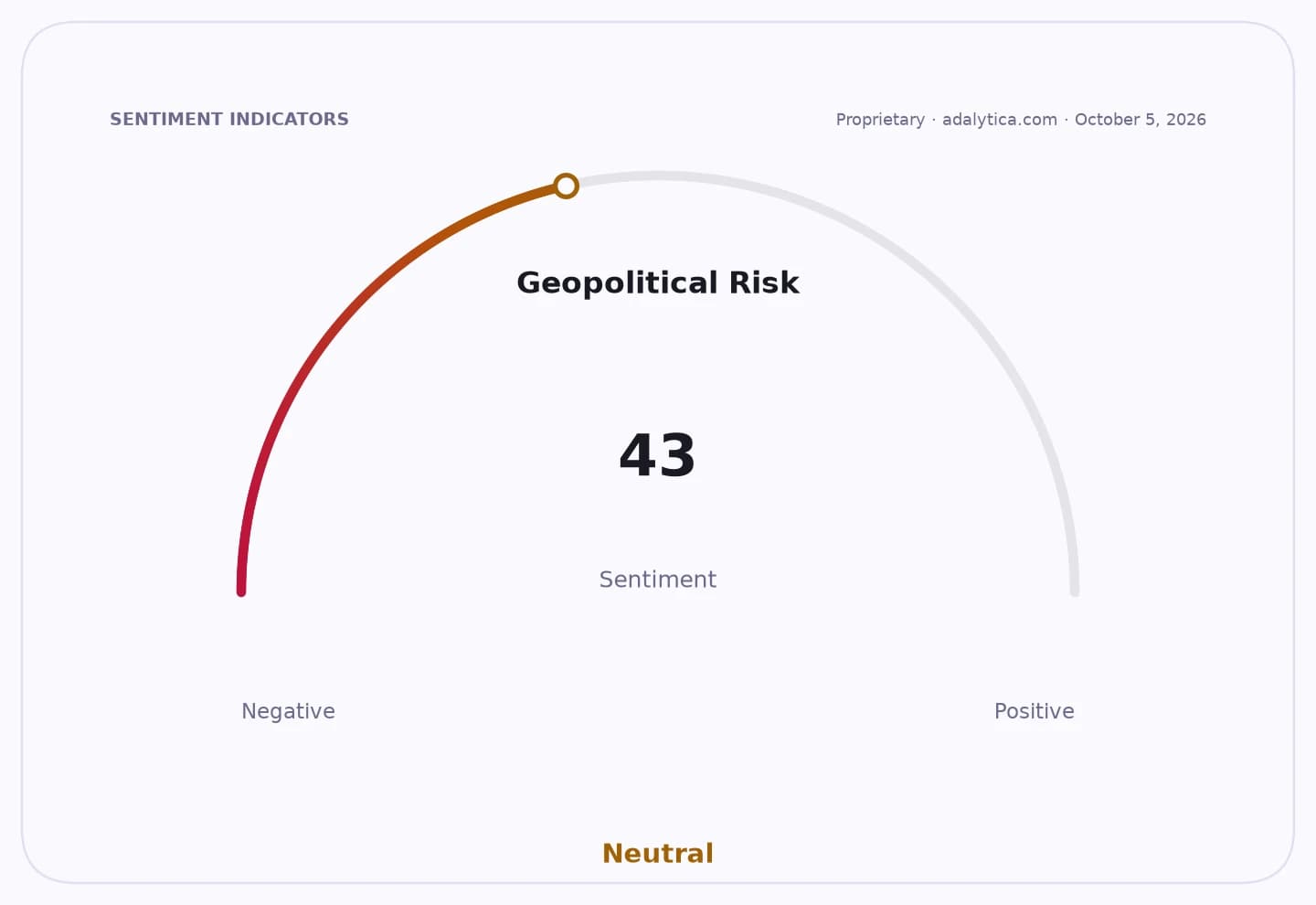
Sentiment IndicatorsⓘProprietary · adalytica.com · October 6, 2026
This is a snapshot — live sentiment, awareness and momentum for 130+ markets update continuously in the dashboard.Open AlphaPulse
The latest Fotocasa survey, analyzed by THE OBJECTIVE, shows the market has swung further toward scarcity since before the pandemic, when demand made up 74% of participants and supply 21%. The shift underscores a structural shortage of homes available for rent rather than a simple pricing problem.
That shortage is most acute in Madrid, where demand has risen to 14% of participants from 12% and supply has fallen to 3% from 4%. In that market, 75% of tenants say high rents are a problem, above the national 69%, while 42% cite a lack of available homes in their preferred area and 39% point to landlords’ requirements.
The squeeze is already excluding some would-be renters. Fotocasa found 6% of adults tried to rent in the past year and failed, with 58% blaming high prices and 42% blaming a lack of supply. For investors in Spanish housing-related assets, that reinforces the case for rent resilience in tight markets, but also raises the political risk premium attached to the sector.
The policy backdrop is now moving in the same direction. The government is returning to the cabinet with new housing measures after Congress rejected two decrees last week, while anti-eviction protections remain a flashpoint. That has deepened landlord mistrust, with 42% citing distrust of tenants as a key obstacle to renting out homes.
For investors, the next catalyst is political: any new restrictions, protections or tax changes could further reduce supply even as tenant demand stays elevated. Until Spain makes more homes available for rent, the market is likely to stay tight, politically charged and expensive for households.
| Entity | Gains | Losses |
|---|---|---|
| Tenants | ▲More attention from policymakers | ▼Higher rents and fewer choices |
| Landlords | ▲Strong pricing power in scarce markets | ▼More regulation and legal risk |
| Spanish government | ▲Campaign focus on housing | ▼Credibility if supply stays weak |
| Rent-linked property owners | ▲Resilient occupancy and demand | ▼Policy uncertainty and tenant backlash |