Sri Lanka will test foreign appetite for its dollar funding next week with a $100 million domestic-currency bond sale that can be tripled if demand is strong, a modest but important gauge of whether the government can borrow hard currency at fixed rates from overseas Sri Lankans, foreign investors and institutions.
Sri Lanka plans $100M dollar bond auction next week
The auction matters because it gives the state a direct read on dollar funding costs at a time when many emerging markets are still navigating higher global rates and uneven access to external capital. By offering one-, two- and three-year paper in US dollars, Colombo is trying to lock in medium-term financing in a currency investors trust, while limiting immediate pressure on reserves and reducing reliance on short-term funding.
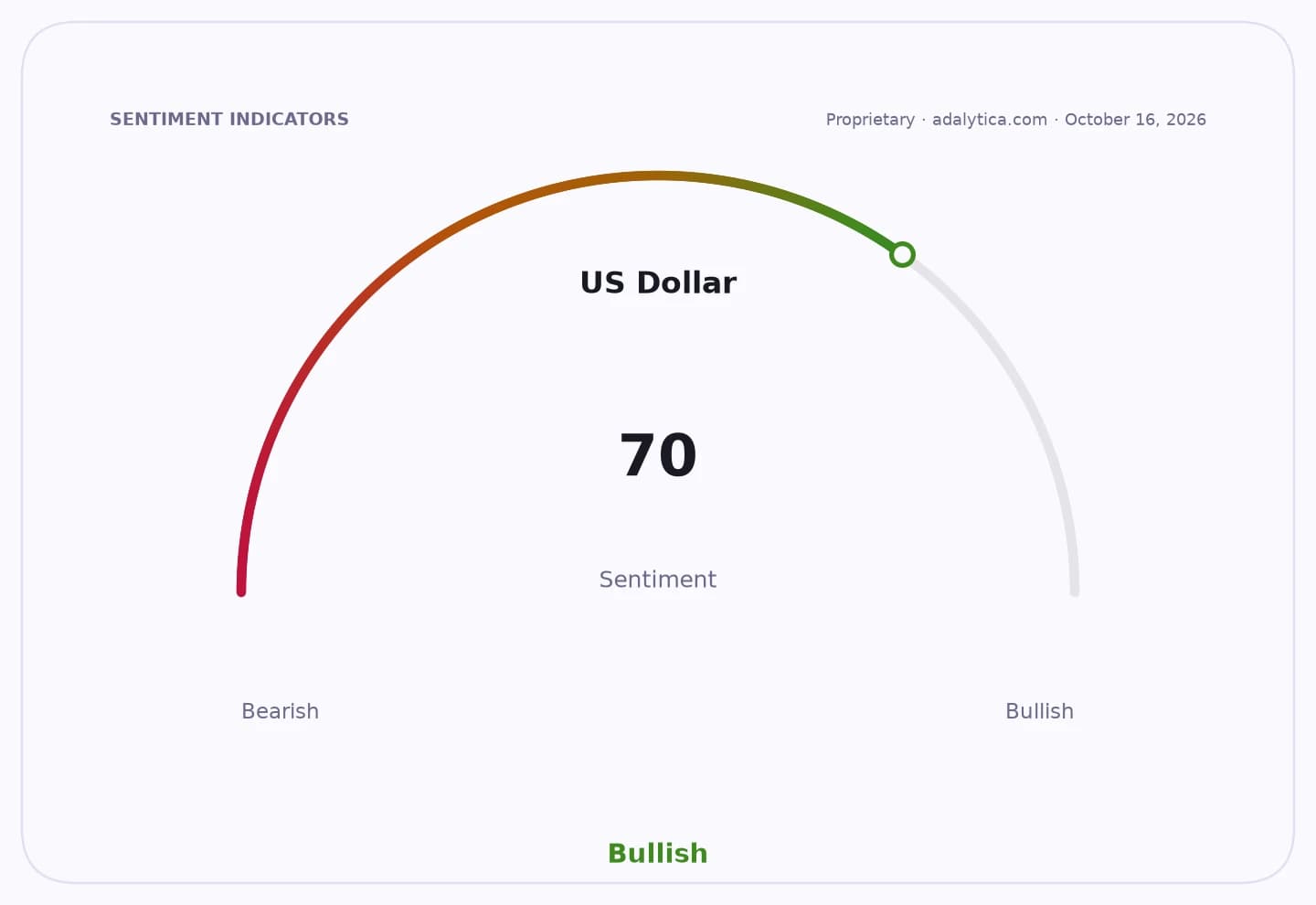
Sentiment IndicatorsⓘProprietary · adalytica.com · October 16, 2026
This is a snapshot — live sentiment, awareness and momentum for 130+ markets update continuously in the dashboard.Open AlphaPulse
The structure also makes the deal a market test. The government can upsize the offer to $300 million if bidding is favourable, which means the final size will reflect not just financing needs but investor confidence in Sri Lanka’s sovereign credit and near-term macro stability. The auction will set borrowing costs across the three tenors through competitive bidding, making pricing more informative than an administratively set issue would be.
For investors, the sale is a read-through on how much premium Sri Lanka must pay to attract offshore dollar liquidity after years of debt stress and policy volatility. A successful issue would suggest foreign currency holders remain willing to extend money to the sovereign under local law, with principal and interest repaid in dollars and semiannual coupons providing cash yield. A weak response, by contrast, would underscore the lingering cost of financing for a country still rebuilding market access.
The target pool is broad enough to matter beyond local banks: Sri Lankans living abroad, foreign individuals, overseas funds and holders of specified foreign currency accounts can participate, though US persons are excluded because of regulatory constraints. That exclusion limits the buyer base but also keeps the process focused on regional and diaspora demand, where Sri Lanka has traditionally found some support in hard-currency instruments.
The bonds are direct, unconditional and unsecured obligations of the government, ranking equally with its other unsecured debt. That makes the sale a clear sovereign credit event rather than a bank or quasi-sovereign transaction, and puts the spotlight on how investors assess repayment risk, not just yield.
Pricing will also matter for the local market. If demand comes in strong, the government could broaden the deal rapidly, but that would likely only happen if investors are comfortable with the country’s fiscal path and external balance. If bidding is thin, it may force Colombo to accept a higher cost of funds or keep the issue at the minimum size, leaving the state still in search of cheaper hard-currency financing.
The timing is significant as well. Subscriptions open on Oct. 19 and close on Oct. 23, with settlement on Oct. 30, giving the market a tight window to price in current dollar funding conditions. For Sri Lanka, the result will not solve broader debt challenges on its own, but it will show whether the sovereign can still tap dollar demand in size and on what terms.
| Entity | Gains | Losses |
|---|---|---|
| Sri Lankan government | ▲Dollar funding access | ▼Higher borrowing costs if demand is weak |
| Overseas investors | ▲Fixed-dollar yield | ▼Credit risk if pricing is rich |
| Sri Lankan diaspora/foreign currency holders | ▲Local-law dollar asset | ▼Liquidity if demand disappoints |
| Existing creditors | ▲Potential confidence signal | ▼Subordination concerns if funding stress persists |