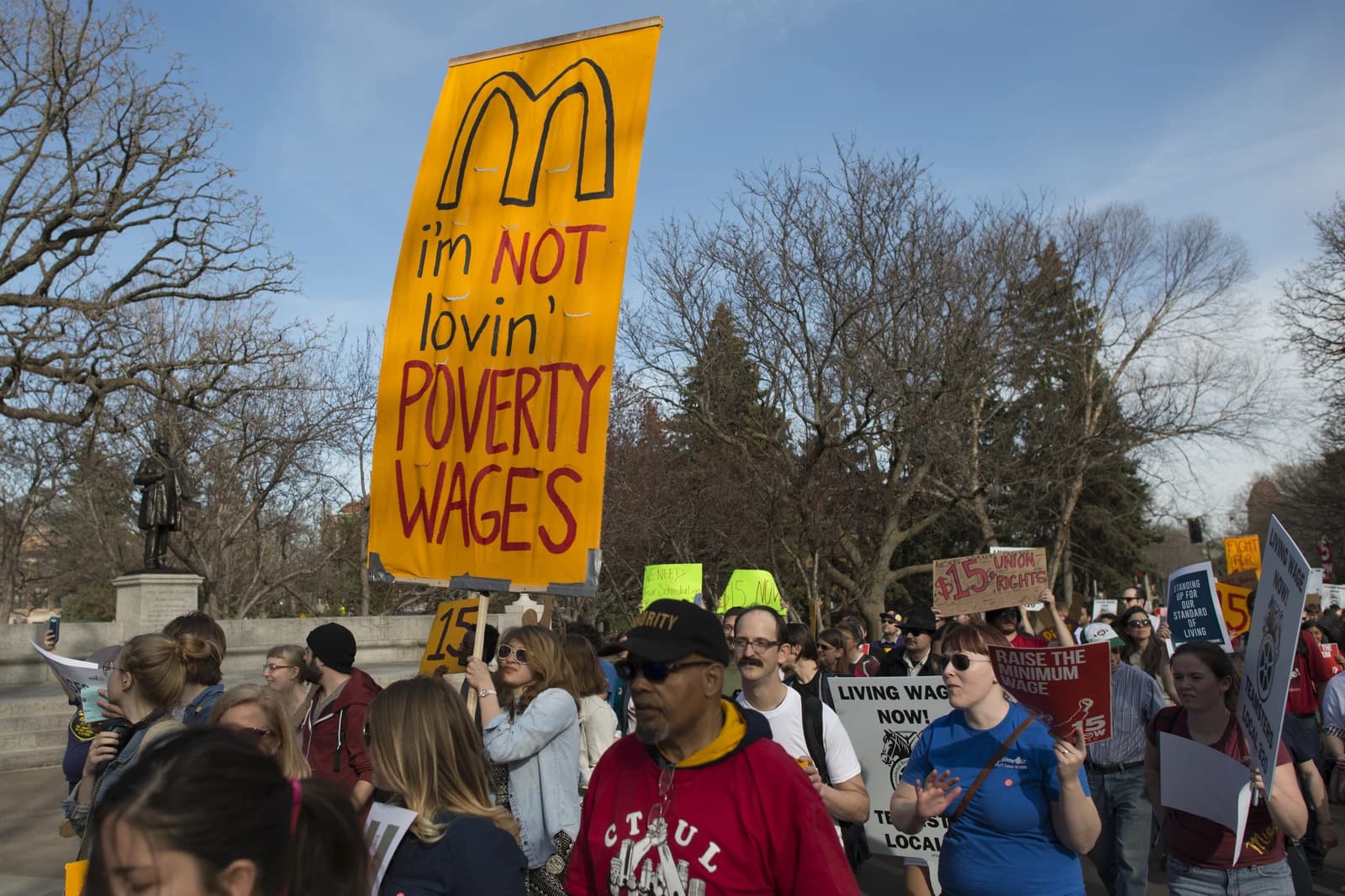
The next wave of state minimum-wage increases starting Jan. 1, 2027 will raise labor costs across a wide swath of the U.S. economy, and investors should be watching the consumer and service sectors first.
State minimum wages rise in 2027, lifting labor costs
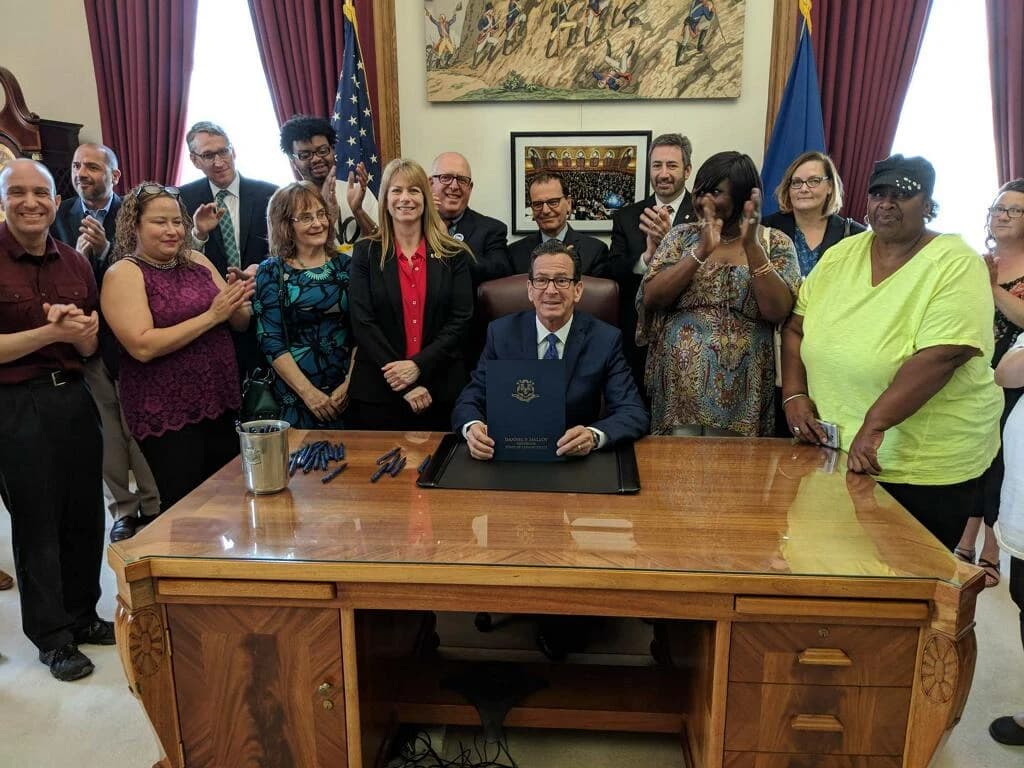
At least 15 states have already set higher hourly floors for next year, led by Washington at $17.73, Connecticut at $17.48 and California at $17.40, while the federal minimum remains frozen at $7.25 an hour, unchanged since 2009. That gap is the story: in much of the country, wage-setting has become a state-by-state inflation hedge, not a federal policy function.
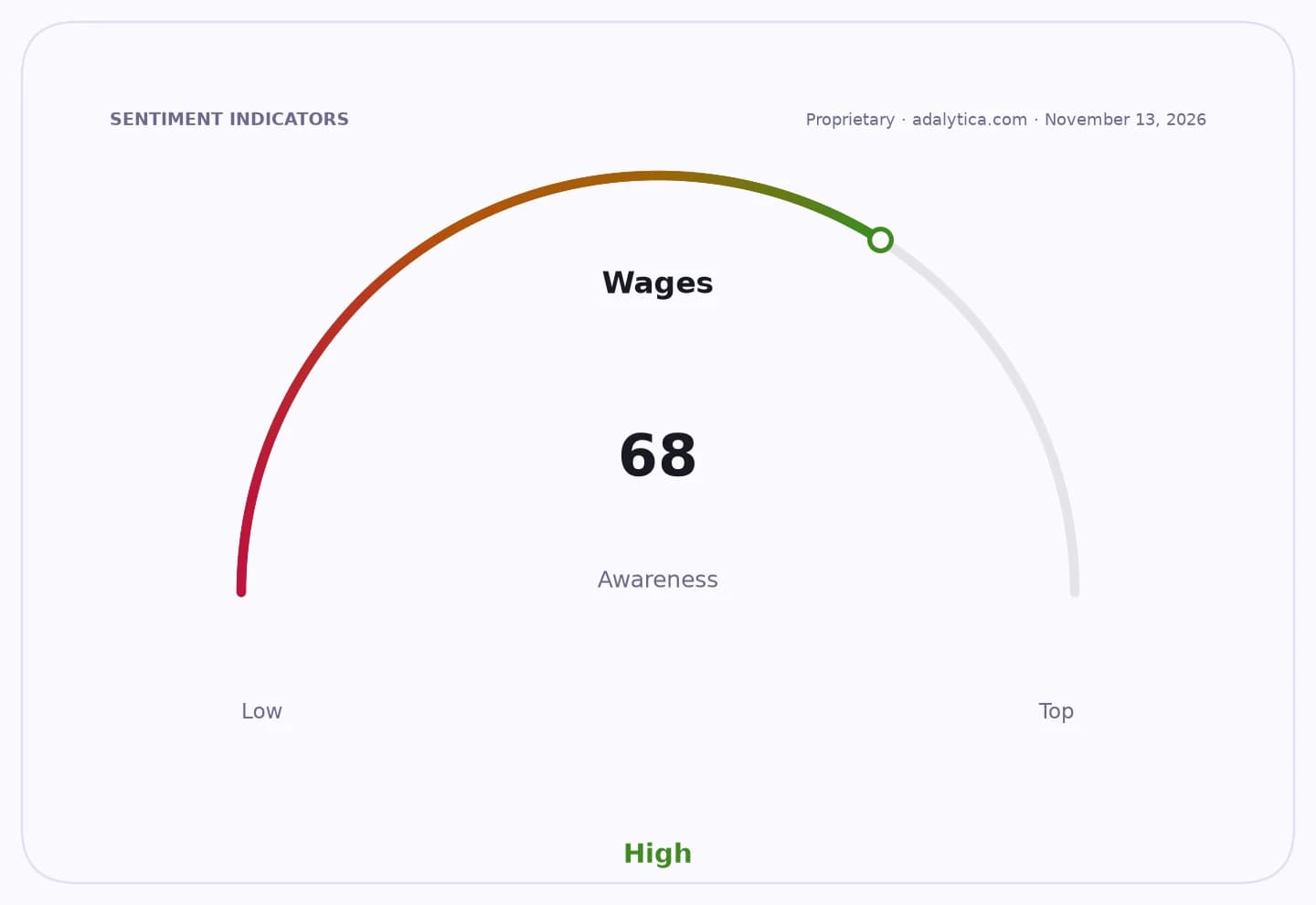
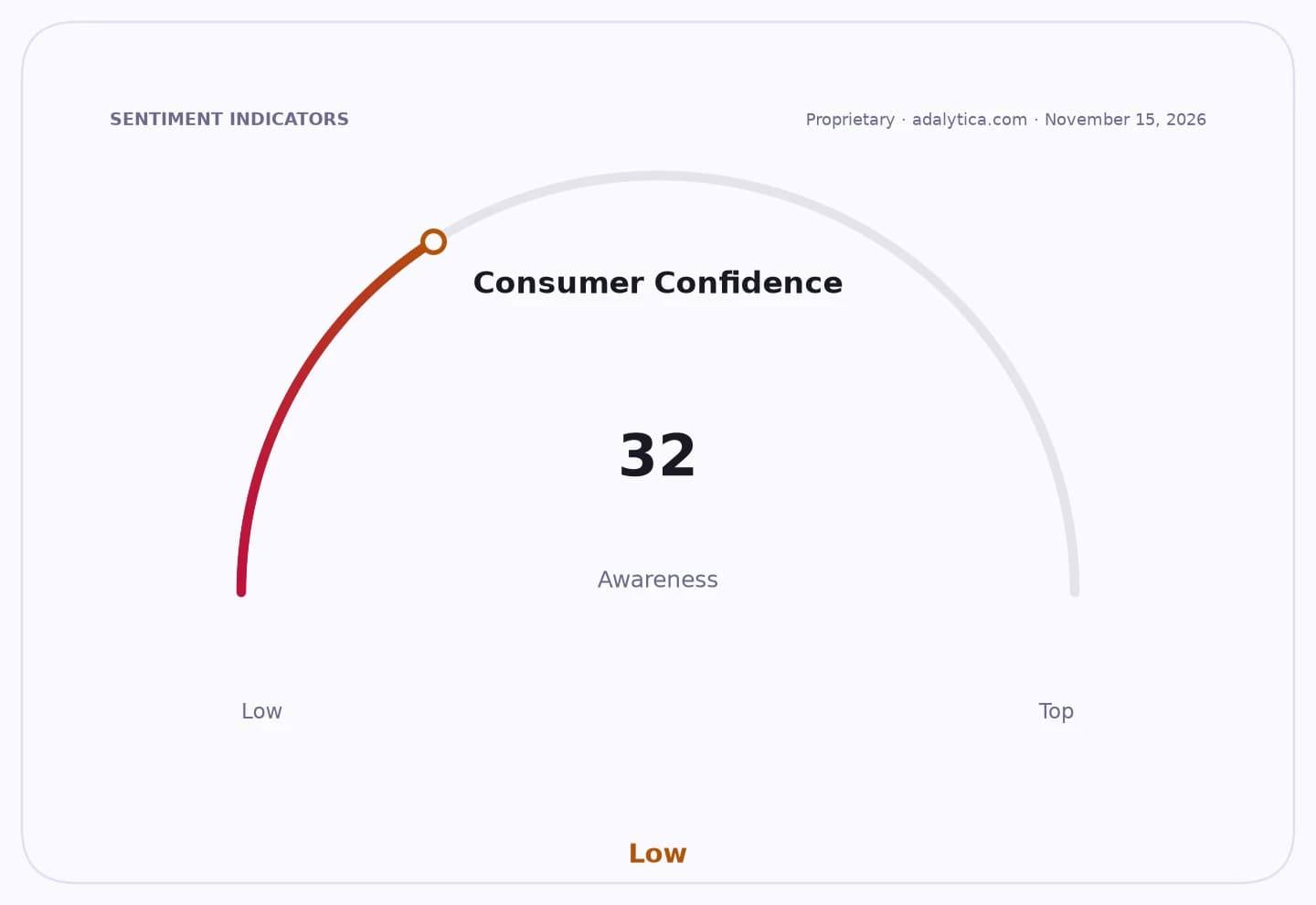
Sentiment Indicators
The increases matter because they hit the businesses that run on thin margins and high headcount. Restaurants, grocers, big-box retailers, warehouses and hospitality operators will face higher payroll expenses at the same time they are still absorbing elevated input and financing costs. For employers, that can mean either lower margins, higher prices or faster automation spending. For investors, it is a direct test of which companies have pricing power and which do not.
The list is still incomplete, and more states are likely to join as inflation-indexed formulas are finalized. But even the current roster is enough to show how wage policy keeps shifting the burden of inflation from households to employers. That is especially relevant for consumer discretionary names, where labor is a major cost line, and for consumer staples and large retailers that can partially pass costs through but risk volume pressure if price increases bite into demand.
The market is already sensitive to the trade-off. Broad consumer spending remains central to the U.S. growth story, and companies with exposed labor models will have to prove they can protect margins without sacrificing traffic. That is why wage hikes are not just a social-policy headline; they are a profit-margin issue.
The investable takeaway is straightforward: own the operators with scale, automation and pricing power, and be cautious on labor-intensive businesses that lack them. In a market still wrestling with sticky inflation and uneven consumer demand, minimum-wage policy is another reason to favor quality balance sheets and efficient operating models over fragile margins.
| Entity | Gains | Losses |
|---|---|---|
| Large retailers | ▲Can pass through costs | ▼Face payroll pressure |
| Restaurants and hospitality | ▲Some menu pricing power | ▼Labor-heavy margins squeezed |
| Automation and software vendors | ▲Higher demand for efficiency tools | ▼N/A |
| Wage workers | ▲Higher hourly pay | ▼Employers absorbing costs |