Suffolk County’s payroll climbed to $1.2 billion in 2025, a rise that matters far beyond a local spreadsheet because it shows how labor-heavy public safety spending keeps squeezing county budgets and taxpayers.
Suffolk County payroll rises to $1.2 billion in 2025

The county paid current and retiring employees 3% more than a year earlier, with $895 million going to base salaries, $161.4 million to overtime and $40 million to termination payouts, according to payroll data released under New York’s Freedom of Information Law. That mix is the key story: Suffolk is not just spending more, it is spending heavily on staffing costs that are notoriously difficult to rein in once contracts, staffing shortages and retirement obligations are in place.
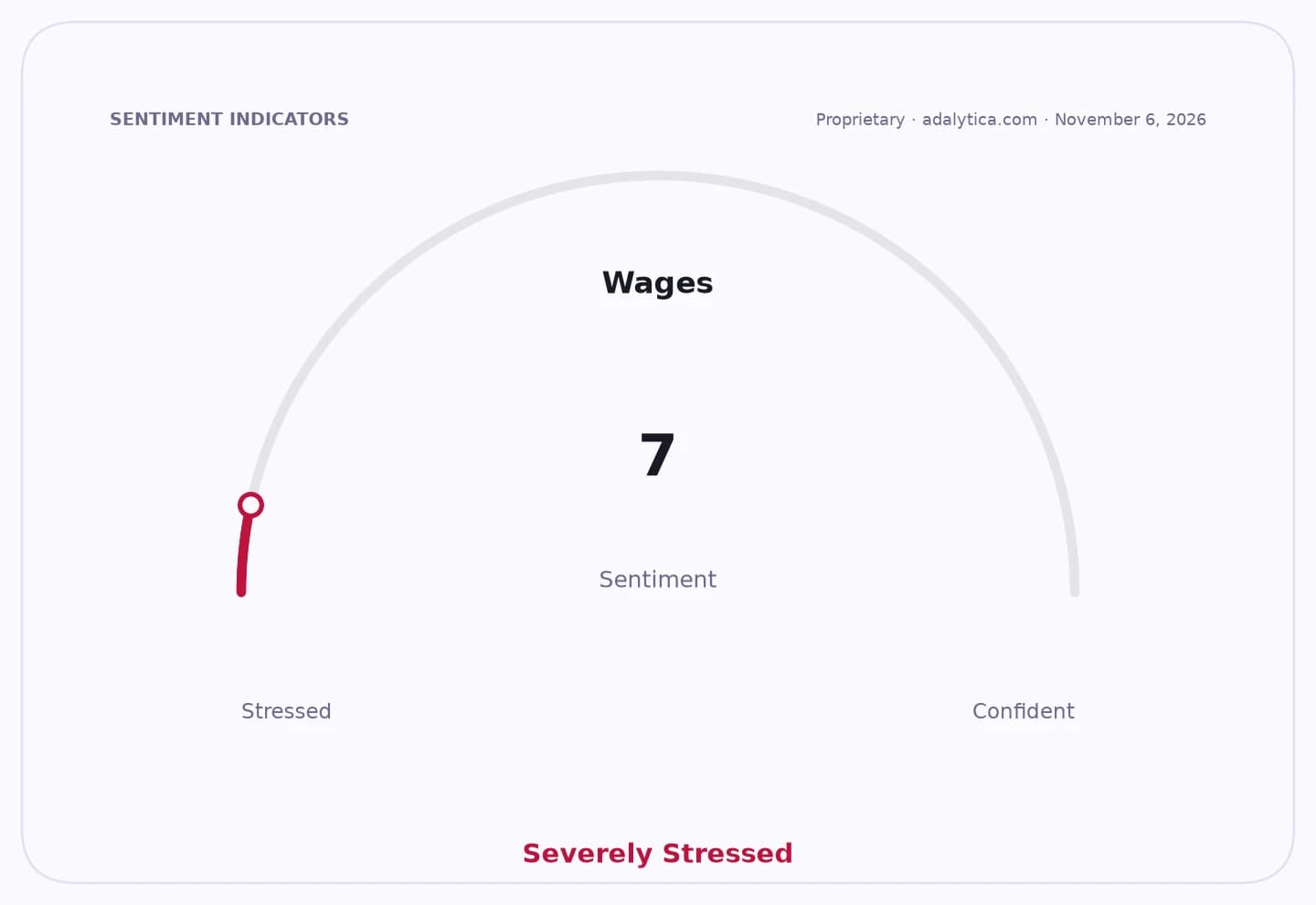
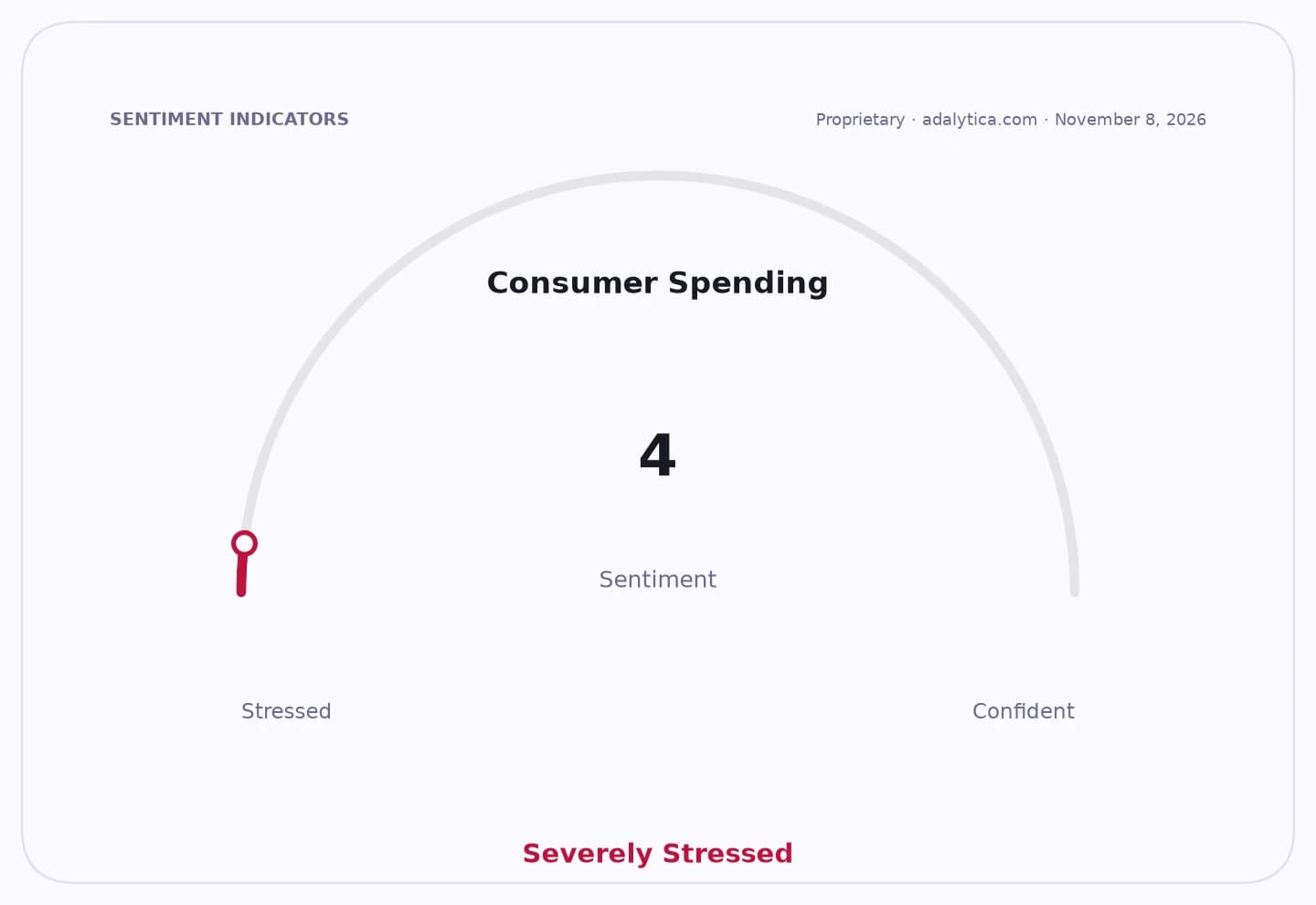
Sentiment Indicators
Police alone accounted for $562 million, or almost half of the county’s payroll budget. Corrections added another $206 million. Of the 311 county employees who made more than $300,000, all but five worked in the police department or the sheriff’s office. That concentration shows where the county’s financial pressure lives, and why the debate over overtime and headcount can quickly become a budget, labor and tax discussion all at once.
For investors, the lesson is less about Suffolk County itself than about the durability of public-sector wage inflation in essential services. Counties can trim discretionary projects, but they have far less flexibility when overtime rises, retirements stack up and public safety staffing must be maintained. That makes these payroll trends relevant for municipal finance, local tax burdens and the long-run fiscal health of the region.
It also helps explain why overtime has become such a recurring flashpoint in county budgets: when a small group of departments absorbs most of the compensation growth, cost control becomes structurally harder. If labor expense keeps outpacing revenue growth, taxpayers ultimately fund the gap through higher taxes, reduced services or both.
For long-term investors, the best takeaway is simple: public payrolls are a leading indicator of fiscal strain in local government, especially when police and corrections dominate the bill. Suffolk’s 2025 numbers suggest this pressure is not going away soon, making it worth watching for anyone exposed to New York municipal finance or nearby property-tax dynamics.
| Entity | Gains | Losses |
|---|---|---|
| Suffolk County employees | ▲Higher pay and payouts | ▼Budget scrutiny |
| Police and sheriff’s offices | ▲Largest share of payroll | ▼Pressure to curb overtime |
| Suffolk taxpayers | ▲— | ▼Higher fiscal burden |
| County finances | ▲Sustained labor coverage | ▼Less room for spending flexibility |