Suno’s launch of its V6 music models in partnership with Warner Music Group, BMG and Believe is an important step toward turning AI music from a legal fight into a licensable business.
Suno Launches V6 With Warner, BMG and Believe

For investors, that matters because the biggest question around AI-generated music has never been whether the technology works — it clearly does — but whether it can be built in a way that protects copyrights, pays rights holders and creates a durable commercial model. Suno says V6 is the first version trained with licensed partner data, plus user interactions from its platform, and that future products will include remixing, sampling and other derivative features tied to participating catalogs. That is a meaningful shift from a pure software story to an emerging content marketplace.
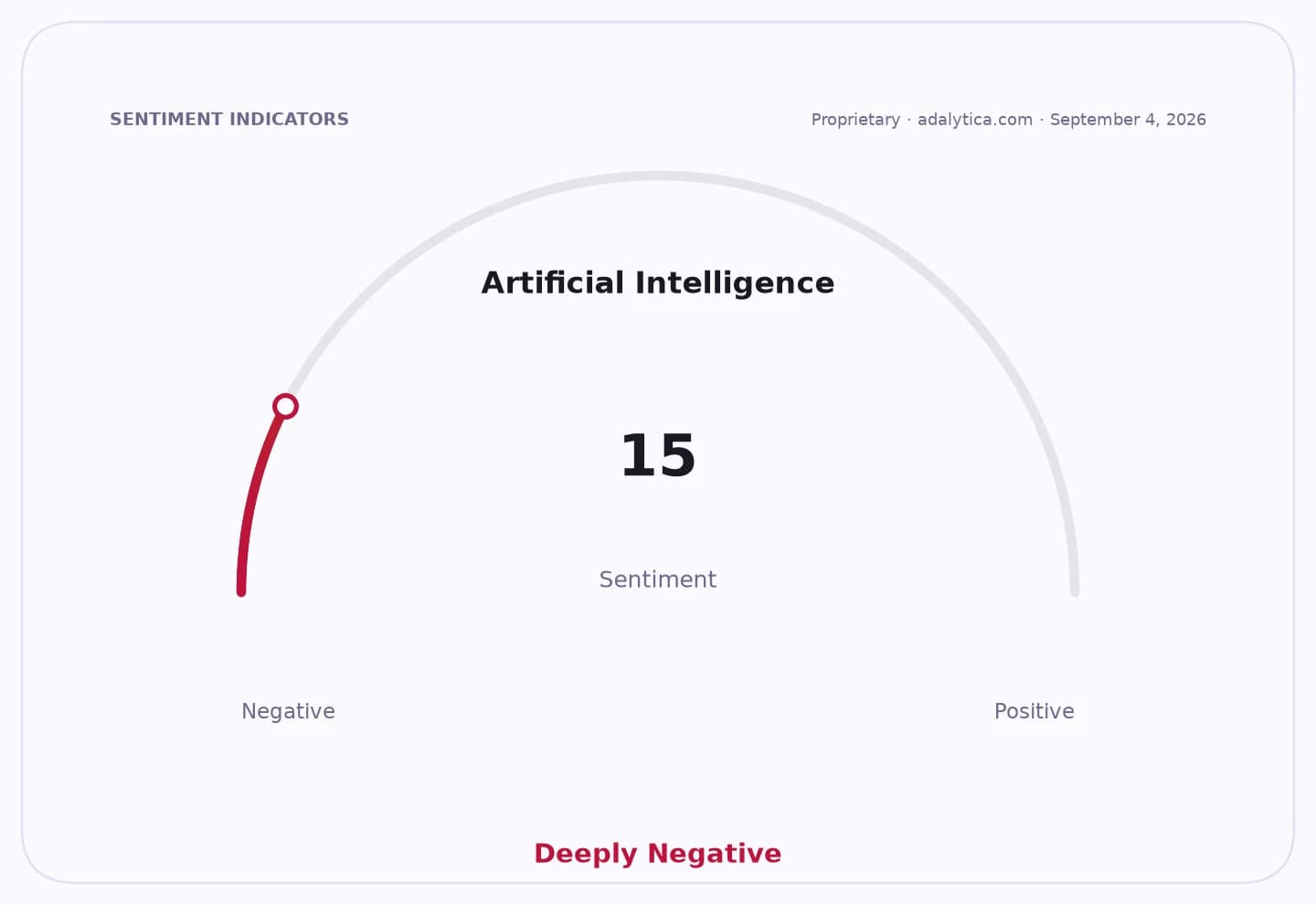
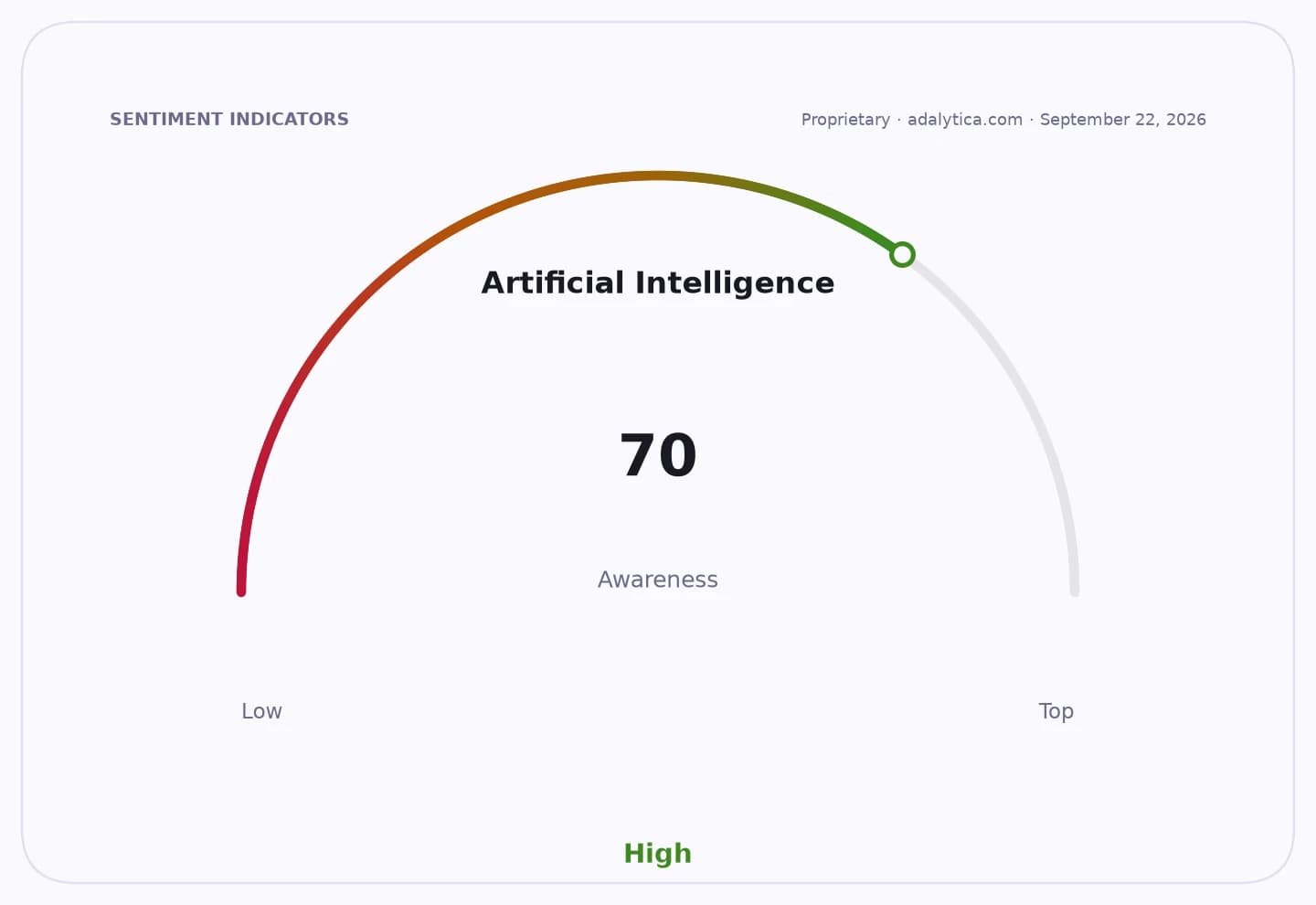
Sentiment IndicatorsⓘProprietary · adalytica.com · September 10, 2026
This is a snapshot — live sentiment, awareness and momentum for 130+ markets update continuously in the dashboard.Open AlphaPulse
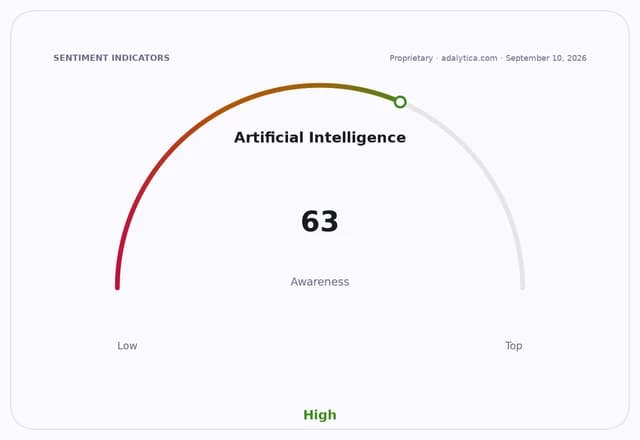
The stakes are high. Suno was recently valued at $5.4 billion, which tells you how much capital is chasing the idea that AI can become a major new creative tool. But the company is also still facing copyright lawsuits from Universal Music Group, Sony Music, Round Hill Music and others, including claims that its models were trained on unlicensed songs or designed to mimic artists’ styles. That legal overhang is the real economic issue here: if AI music companies cannot establish rights-cleared training and usage, the business could be stuck in litigation instead of scaling.
This is why the latest partnerships matter so much. Warner, BMG and Believe are not just supplying catalog access; they are helping define what a licensed AI music economy might look like. Suno says the relationships involve revenue sharing, and future products may let users remix or sample songs only with rights-holder consent. If that framework holds, it creates a possible blueprint for how labels and publishers can participate in AI rather than simply fight it. In other words, the music industry may get a new monetization layer instead of just a new threat.
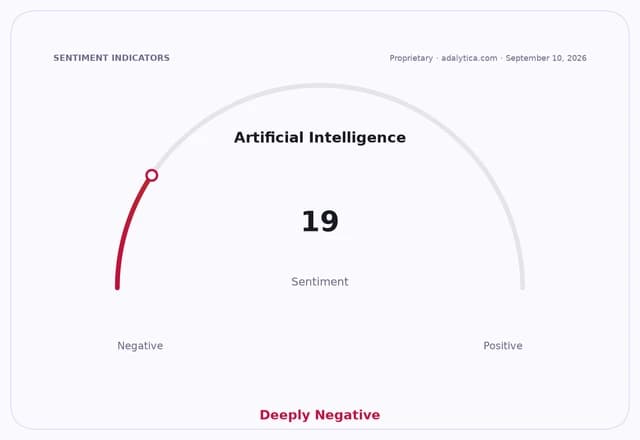
That also helps explain why investors should pay attention beyond Suno itself. The winners in a licensed AI model are likely to be the companies with deep catalogs, negotiating leverage and the ability to turn intellectual property into recurring revenue. Warner Music Group and Believe stand to benefit if AI becomes another channel for paid usage. On the other side, companies that rely on unlicensed scraping or face prolonged legal disputes could see higher costs, product delays and weaker distribution relationships. The sector’s economics will increasingly favor firms that can prove they own the rights to what their models create and modify.
There is still plenty of risk. Suno’s launch does not erase the lawsuits, and the company’s insistence that its partner data is licensed will be tested in court and in negotiations with the rest of the industry. The details of revenue sharing, artist opt-ins and product economics remain fuzzy. But the direction is clear: AI music is moving from a gray market toward a negotiated one.
For long-term investors, that is the real story. If Suno and its partners can show that AI-generated and AI-assisted music can be licensed, paid for and scaled responsibly, the prize is not just better music tools — it is a new layer of value creation across the recorded-music and publishing industries. Worth watching, and for patient investors, it could become one of the most interesting AI-media themes of the decade.
| Entity | Gains | Losses |
|---|---|---|
| Suno | ▲Licensed business model | ▼Freewheeling growth |
| Warner/BMG/Believe | ▲New royalty streams | ▼Purely defensive posture |
| Universal/Sony/Round Hill | ▲Stronger licensing precedent | ▼Less leverage over AI |
| Artists/songwriters | ▲Opt-in control, potential payouts | ▼Uncompensated use |