Suntec REIT is moving to sell more than A$1 billion ($660 million) of prime office towers in Sydney and Melbourne, a bet that Australia’s improving office market gives the Singapore landlord a chance to crystallize value and redeploy capital closer to home.
Suntec REIT to Sell A$1 Billion Australia Offices

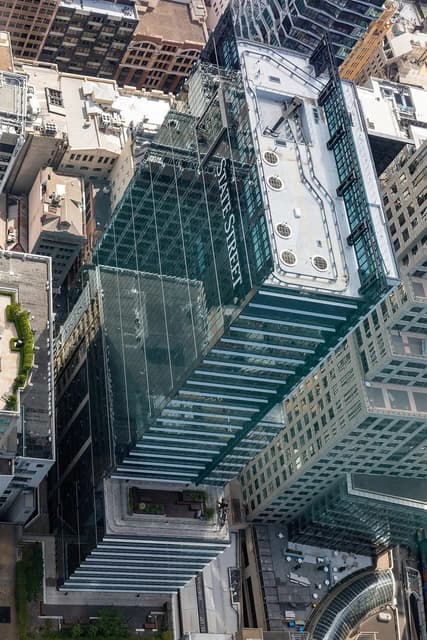
The planned sell-down covers interests in three buildings — on Melbourne’s Collins Street and in Sydney’s Pyrmont and North Sydney — and amounts to the bulk of Suntec REIT’s Australian office exposure. For investors, the sale is important because it tests whether the post-pandemic recovery in major CBD office markets is strong enough to support large transactions at a time when higher financing costs have still been pressuring commercial property valuations globally.
Office owners have been waiting for evidence that the market can absorb premium assets after two years of weak sentiment, elevated vacancy and a sharp repricing of debt. A disposal of this size would point to improving liquidity in Australia’s office sector and could encourage other cross-border owners to consider exits, especially those weighing returns against more attractive opportunities in their home markets.
For Suntec REIT, the move also highlights a broader portfolio strategy: trimming overseas exposure and expanding its commercial real estate footprint in Singapore. That shift matters because it can reduce currency and geographic risk, but it may also reflect a judgment that domestic assets offer a clearer path to income stability in an environment where debt costs remain above the ultra-low levels that once supported aggressive overseas expansion.
The transaction could have knock-on effects for listed office landlords and private buyers alike. If pricing holds, it would validate a recovery thesis that has been gaining traction as business sentiment stabilizes and capital starts to return to select office assets. If bids come in weak, it would reinforce the view that the rebound is still uneven and that asset values remain under pressure despite better leasing conditions in some locations.
Suntec REIT’s unit price has been trading below its 200-day moving average, underscoring lingering caution around the name even before the sale is completed. That means the market is likely to focus less on the accounting gain or loss from the disposal and more on whether the redeployed capital can improve distribution quality and reduce dependence on a sector still wrestling with structural change.
For investors, the key question is not just whether Suntec can sell, but at what price and how quickly it can recycle proceeds into yield-accretive opportunities. A successful exit would confirm that the recovery in Australian office markets is real enough to unlock capital. A drawn-out or discounted process would suggest the sector is still waiting for a fuller rerating.
| Entity | Gains | Losses |
|---|---|---|
| Suntec REIT | ▲Capital recycling | ▼Australian office exposure |
| Singapore assets | ▲Portfolio inflows | ▼Competing for capital |
| Australian office buyers | ▲Asset acquisition chance | ▼Higher pricing risk |
| Competing landlords | ▲Market validation | ▼Weak pricing leverage |