Supermarket Income REIT is tapping shareholders for £50 million to keep buying food stores and distribution assets at a time when income-rich property remains under pressure from higher financing costs.
Supermarket Income REIT raises £50m for store buys

The London-listed trust said the equity raise will help fund six acquisitions worth £65.2 million in total, transactions it says are earnings-enhancing and carry an average net initial yield of 7.3%. That spread matters because it suggests the company can still buy assets at returns comfortably above the cost of equity capital, a key test for property trusts trying to grow distributable income rather than simply expand their footprint.
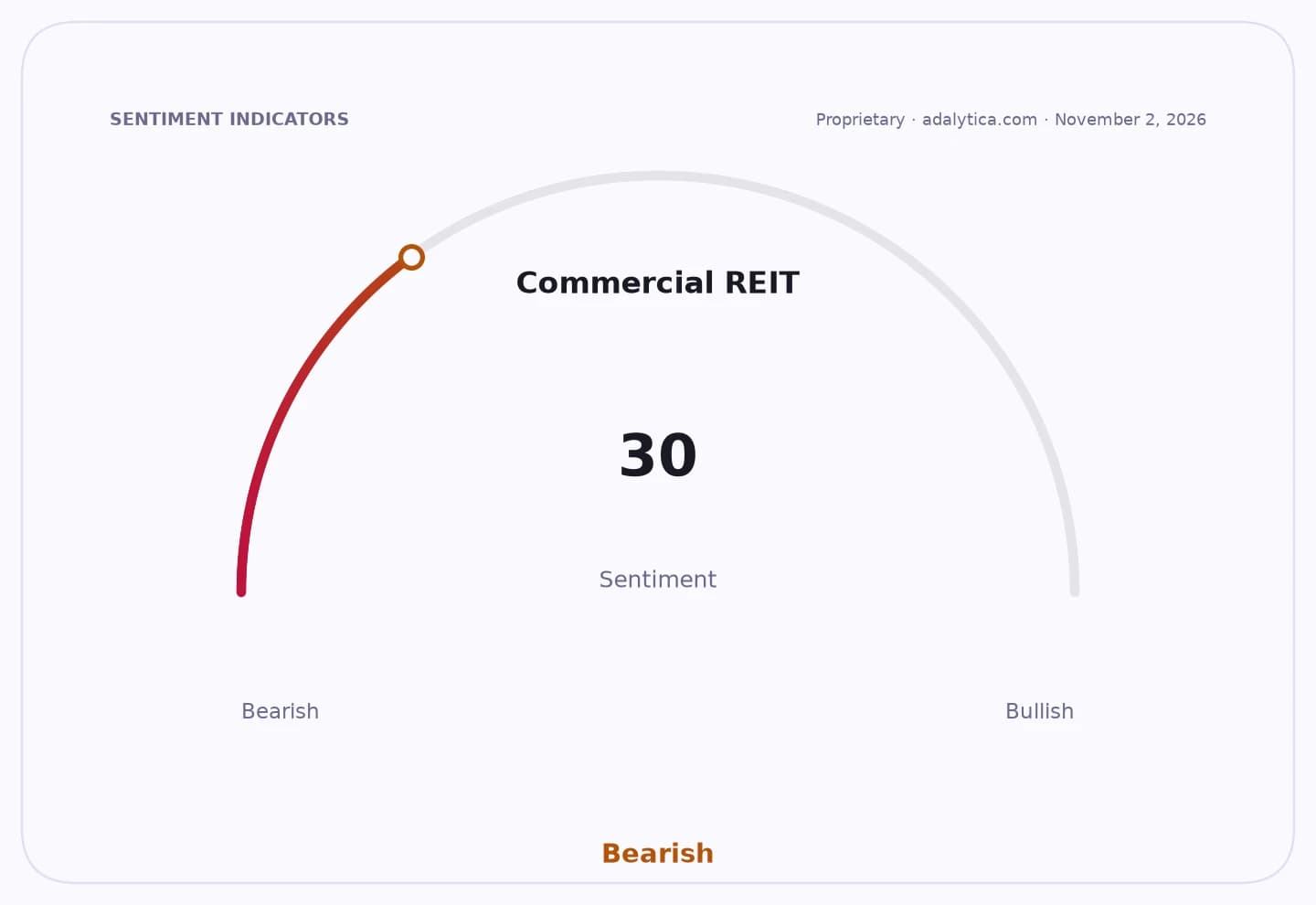
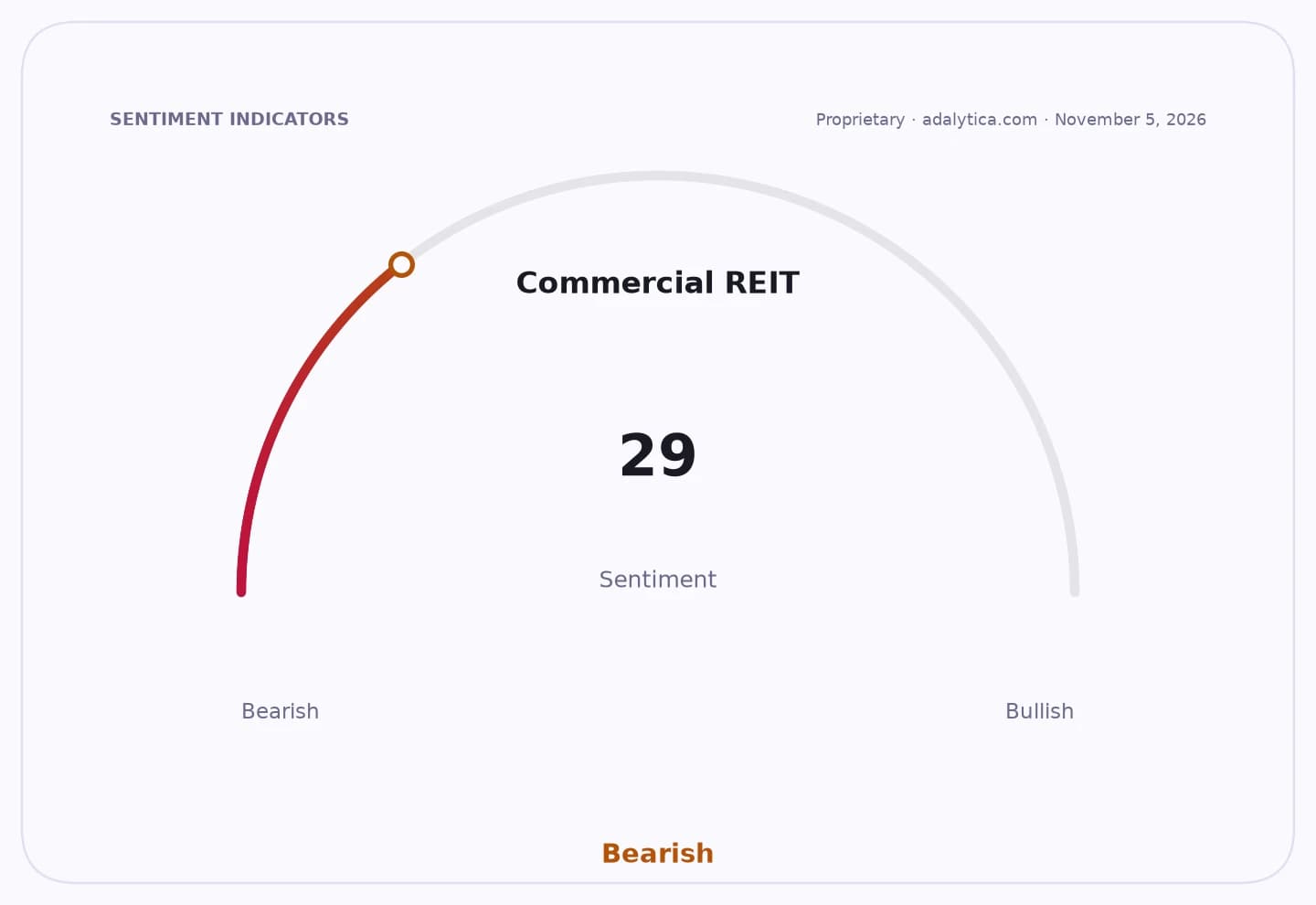
Sentiment Indicators

The acquisition pipeline is weighted toward grocery operators that have remained resilient through the rate cycle. Two deals involve Sainsbury’s, including a portfolio of seven convenience grocery assets and a distribution centre in Darlington, while other planned purchases include a Waitrose-anchored store in Woking, a Sainsbury’s-let asset in Essex and a Tesco convenience property in Surrey. Supermarket Income REIT said the purchases should complete by December, and it is also moving ahead with a Lidl development capped at a £2.5 million capital contribution.
The strategy is straightforward: use fresh equity to recycle into long-dated, inflation-linked grocery leases that can support dividend cover and portfolio expansion. In a sector where higher borrowing costs have compressed valuations and made accretive deals harder to find, the ability to source off-market transactions directly with operators is valuable. The trust is betting that supermarkets, with their defensive cash flows and essential-demand profile, will keep attracting capital even as broader commercial real estate sentiment remains cautious.
Commercial REIT
Investors, however, appear wary of dilution and execution risk. Supermarket Income REIT shares fell 1.8% to 82.90p after the announcement, even though management said it had already successfully deployed proceeds from a July fundraising. The immediate market reaction implies shareholders want proof that new equity can be translated into faster earnings growth, not just larger assets under management.
The broader case for the trust rests on a familiar but still relevant theme: grocery property is one of the few retail sub-sectors where income visibility, tenant quality and lease length can offset the drag from expensive debt. The bear case is that repeated capital raises may cap near-term per-share returns if acquisition yields narrow or if financing conditions tighten again. For now, the company is signalling confidence that the pipeline is deep enough to justify fresh capital and that scale remains the quickest route to long-term return growth.
| Entity | Gains | Losses |
|---|---|---|
| Supermarket Income REIT | ▲Bigger portfolio, potential income growth | ▼Share dilution risk |
| Sainsbury’s, Tesco, Waitrose, Lidl | ▲Capital from property deals | ▼Long lease obligations |
| Existing shareholders | ▲Longer-term portfolio scale | ▼Near-term equity dilution |
| Grocery property sellers | ▲Access to listed capital | ▼Higher bar for pricing |