Brookfield Asset Management and Canada Pension Plan Investment Board have completed their $5.2 billion all-cash buyout of LXP Industrial Trust, a deal that underscores how long-term investors are still willing to pay for U.S. logistics real estate despite a recent wave of supply and a broader reset in property valuations.
Brookfield and CPP Complete LXP Industrial Buyout
The transaction takes the South Florida-based REIT private and removes a 107-property portfolio of distribution assets across the Midwest and Sun Belt from the New York Stock Exchange. For Brookfield and CPP Investments, the appeal is not just the size of the portfolio but its cash-generating profile: the assets are 96.6% leased, concentrated in bulk distribution space and tied to markets that continue to benefit from e-commerce, supply-chain reconfiguration and population growth in the South and Midwest.
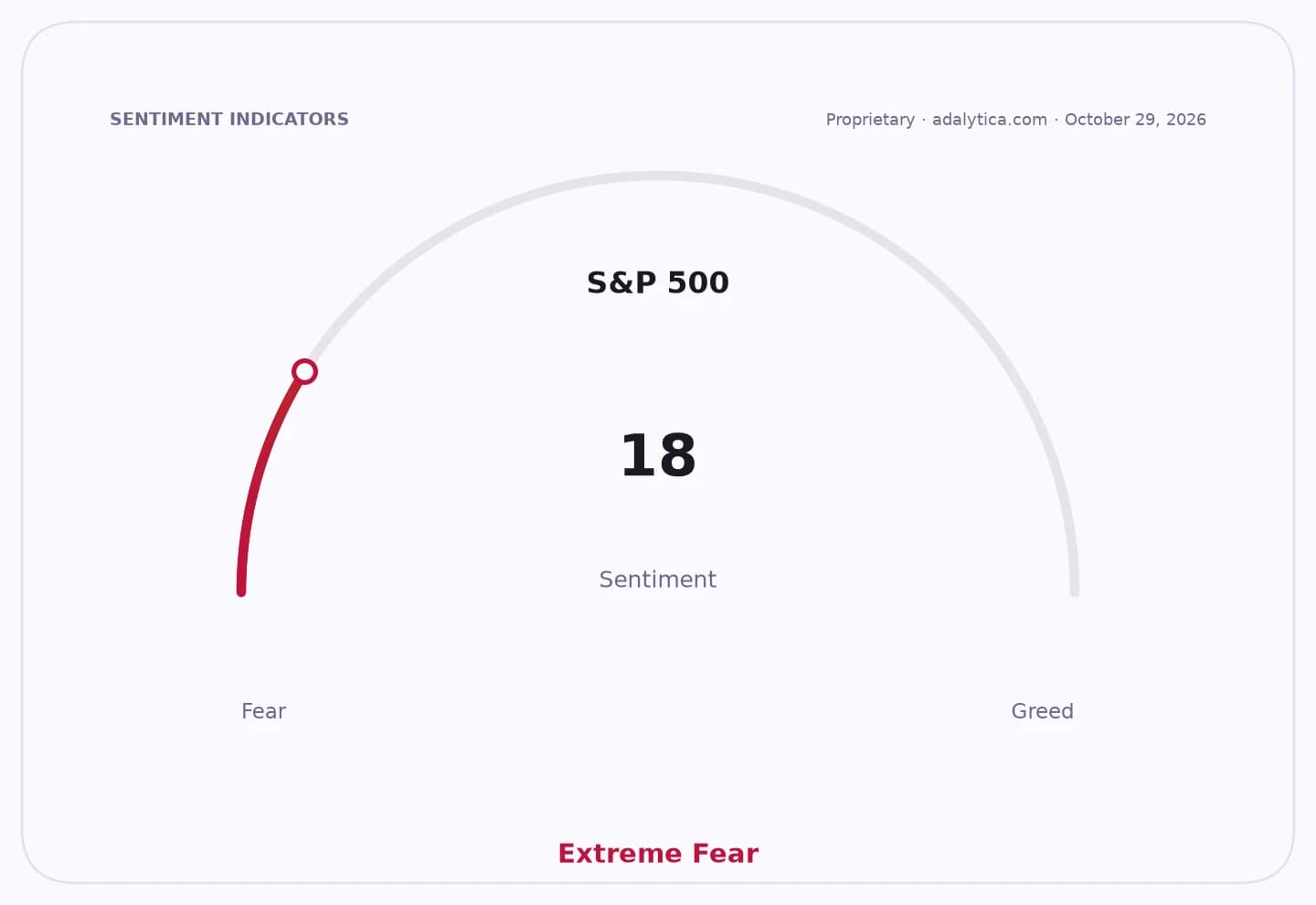
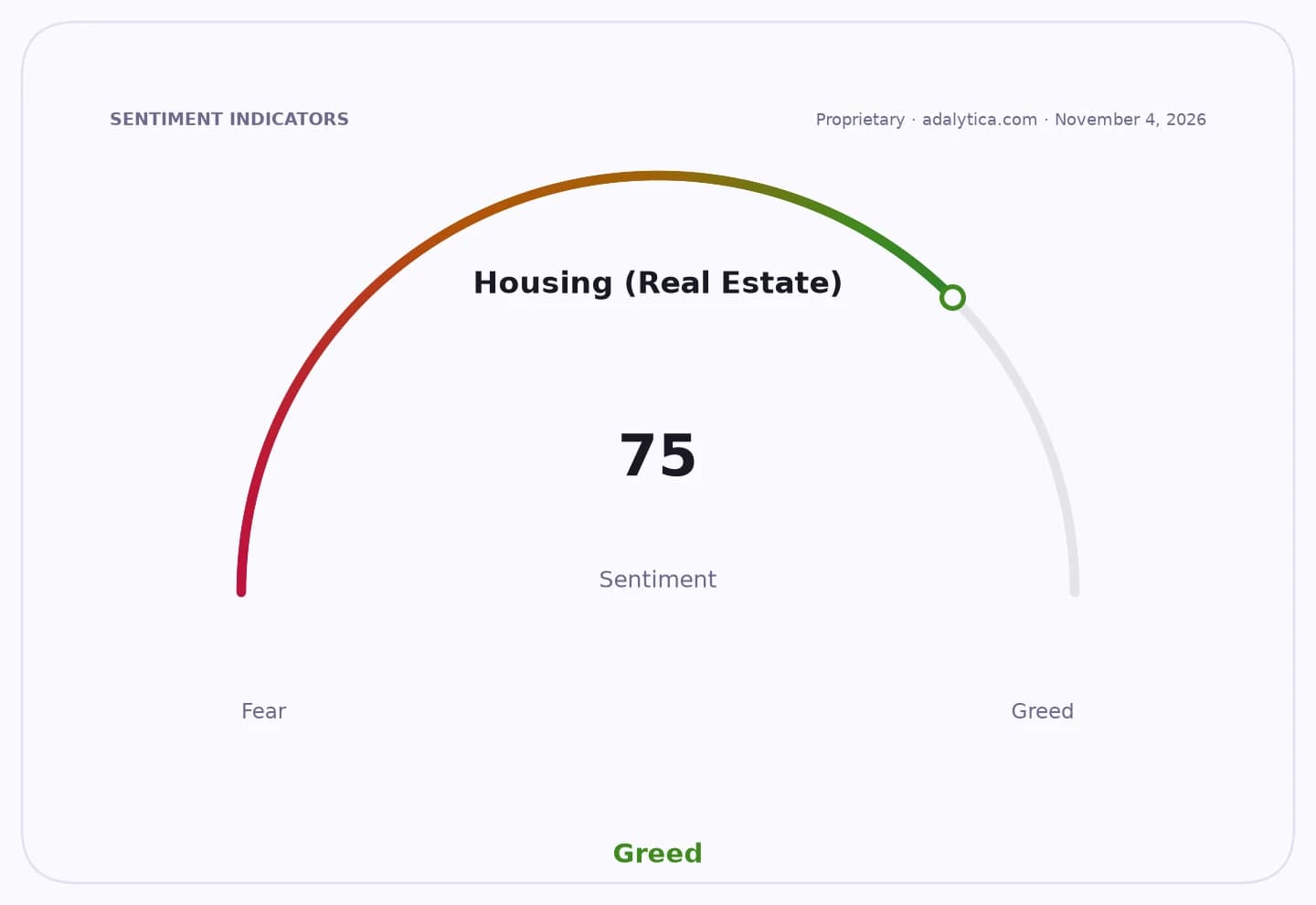
Sentiment Indicators
At $61.20 a share, the buyers paid a 12.3% premium to LXP’s 30-day weighted average price when the offer was announced in July. That premium is meaningful, but it is also measured against a portfolio that management had valued at $4.7 billion in June, indicating the deal closed close to where the market had already been marking the assets. For private capital, that pricing suggests logistics real estate remains financeable and attractive even after the sector’s post-pandemic boom cooled.
The economic significance extends beyond one REIT. Industrial property was among the biggest winners during the pandemic as retailers and shippers rushed to secure warehouse capacity. Developers then responded with a burst of new construction, creating fears of oversupply and pressuring some publicly traded landlords. Yet absorption in the third quarter was the strongest since early 2023 and national vacancy fell to 6.8%, the lowest since late 2024, according to Cushman & Wakefield. That backdrop supports the bull case that well-located logistics assets still deserve premium ownership. The bear case is that valuations may already reflect the best of the cycle, leaving less upside if leasing demand softens or if financing costs remain elevated.
For investors, the deal reinforces a broader market pattern: large, patient capital is targeting income-producing real assets while public REIT shareholders have been forced to judge whether takeover premiums are sufficient compensation for giving up long-duration cash flows. LXP’s portfolio produced $49.5 million in funds from operations in the second quarter, up 5% from a year earlier, and its tenant roster was diversified, with Amazon representing 6.7% of rent. That sort of tenancy mix, paired with strong occupancy, makes logistics portfolios attractive takeover candidates for buyers with scale, low-cost capital and a multiyear hold period.
The transaction also highlights why logistics remains one of the more resilient corners of commercial property. Brookfield Real Estate CEO Lowell Baron framed the purchase as a bet on the sector’s long-term fundamentals, and CPP Investments said the assets fit its objective of generating attractive long-term returns. If vacancy stays tight and rents continue to reset upward, the private owners should be able to harvest steady cash flow and development optionality from infill land and speculative projects such as LXP’s work in Columbus and Phoenix. If the market weakens, however, the premium paid today could look rich relative to replacement cost and near-term rent growth.
For public-market REITs, the implication is straightforward: industrial assets with scale, quality and exposure to core distribution corridors remain in play, but buyers will increasingly demand portfolios that are nearly full, rent growth is still available and tenant risk is manageable.
| Entity | Gains | Losses |
|---|---|---|
| Brookfield / CPP Investments | ▲Control of scaled logistics assets | ▼Public-market scrutiny |
| LXP shareholders | ▲Cash premium | ▼Ongoing upside participation |
| U.S. industrial landlords | ▲Validation of asset values | ▼Harder to buy on the cheap |
| Public REIT investors | ▲Takeover benchmark | ▼Reduced listed logistics exposure |