Sandpiper Group, which owns about 1% of H&R Real Estate Investment Trust, is pushing back against the trust’s plan to spin off Go Residential REIT, arguing the transaction does not clearly benefit public unitholders.
H&R REIT faces Sandpiper pushback on Go Residential
The objection matters because H&R is trying to use the deal to reshape its portfolio at a time when higher borrowing costs continue to pressure real estate valuations and financing across the sector. For investors, the fight raises the risk that H&R’s proposed separation could face delays, revisions or a harsher voting battle if other unitholders line up with Sandpiper’s view that the deal does not deliver enough value.
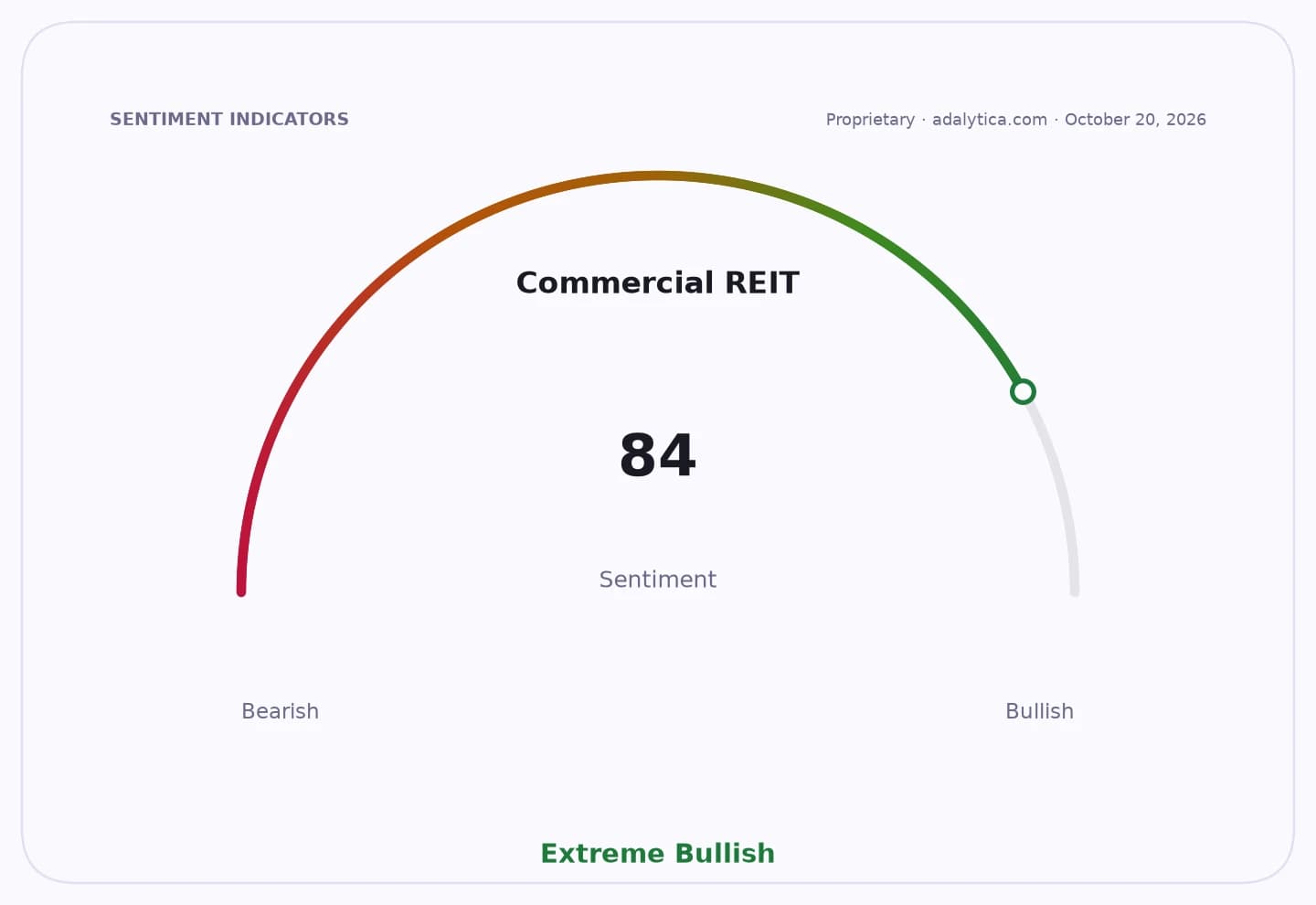
Sentiment IndicatorsⓘProprietary · adalytica.com · October 19, 2026
This is a snapshot — live sentiment, awareness and momentum for 130+ markets update continuously in the dashboard.Open AlphaPulse
REIT transactions have become harder to sell in a market where elevated interest rates have compressed property values and increased the cost of capital. That backdrop makes shareholder approval more fragile, especially when activist or dissenting holders argue that a breakup or asset transfer could leave value on the table.
H&R has not yet shown that the Go Residential transaction will command broad support, and Sandpiper’s opposition puts pressure on management to justify the deal economics more clearly. The company may now need to offer stronger disclosure, sharper valuation support or better terms to win over skeptical investors.
The outcome will be watched closely by REIT holders across North America, where financing costs remain elevated and management teams are still trying to unlock value through restructurings, spin-offs and asset sales.
| Entity | Gains | Losses |
|---|---|---|
| H&R management | ▲Portfolio simplification | ▼Deal approval odds |
| Sandpiper Group | ▲Influence over terms | ▼Exposure to stalemate |
| H&R public unitholders | ▲Potentially better terms | ▼Risk of weak valuation |
| Go Residential REIT | ▲Standalone focus if approved | ▼Delay and uncertainty |