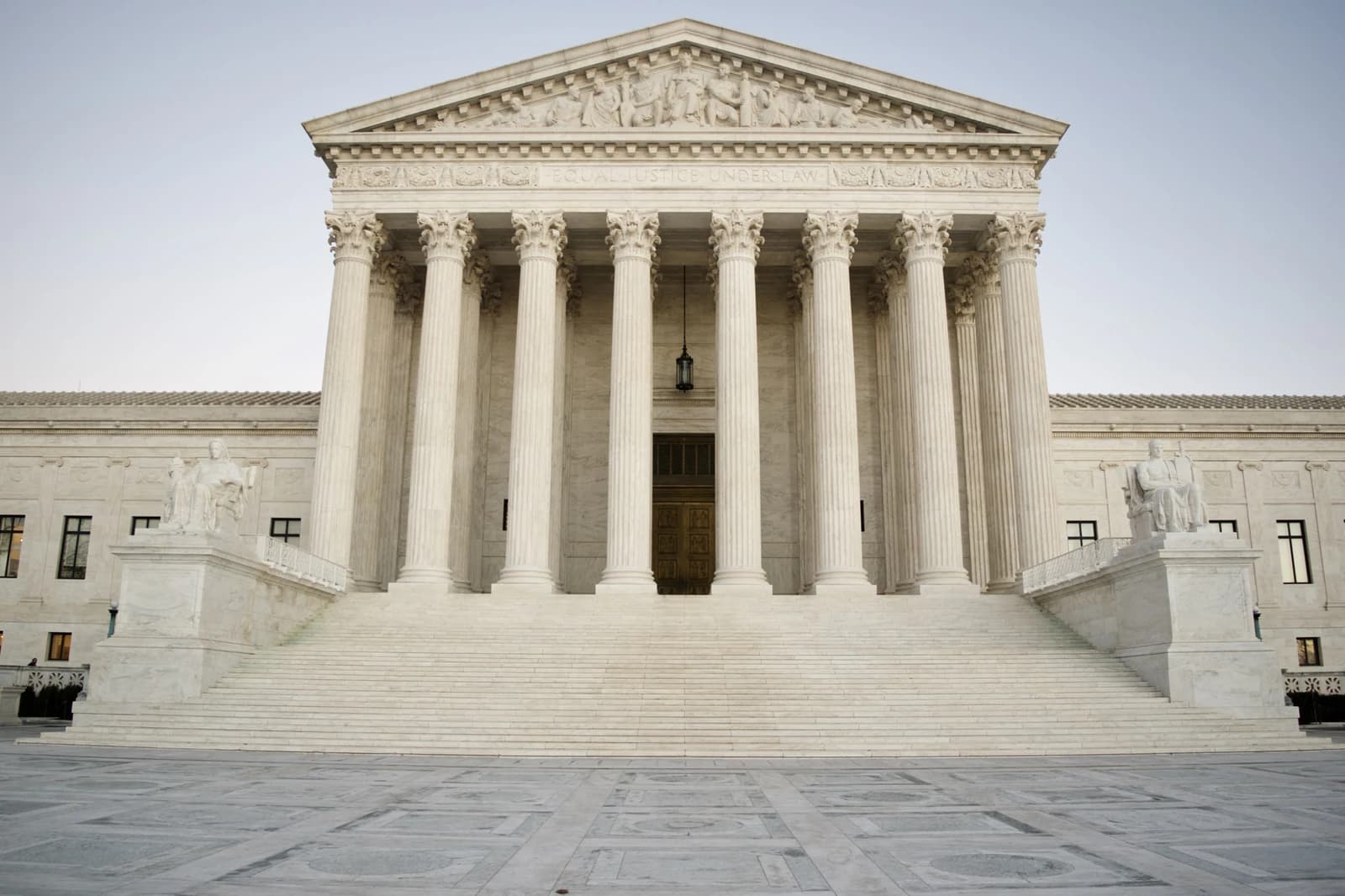
The U.S. Supreme Court has agreed to decide whether a Nigerian man who says he was forced to cook for an armed group can be barred from asylum for giving “material support” to terrorism, a ruling that could widen or narrow one of the most consequential gates in U.S. immigration law.
Supreme Court Takes Nigeria Asylum Material Support Case
For investors and policymakers, the case matters because asylum rules do not just shape border politics — they define how broadly the United States can exclude migrants on security grounds. If the Trump administration wins, the government would get more room to deny protection in cases where a migrant’s coerced labor is tied, however indirectly, to a designated group. If it loses, lower courts would have more room to distinguish between genuine support and captivity, making it harder to use terrorism provisions as a blunt screening tool.
Sentiment IndicatorsⓘProprietary · adalytica.com · October 17, 2026
This is a snapshot — live sentiment, awareness and momentum for 130+ markets update continuously in the dashboard.Open AlphaPulse
The case centers on Izuchukwu Ozurumba, who says he was lured to a remote camp outside Lagos with a job offer, then held against his will and made to cook for the Unknown Gunmen, a group linked to separatist violence in Nigeria. An immigration judge ruled that preparing meals amounted to material support because it helped meet members’ “basic human needs,” even though Ozurumba said he was coerced and tried to leave. The Fourth Circuit later rejected that reading, calling him a captive laborer and saying his cooking did not materially aid the group’s operations.
The Justice Department is now asking the high court to restore the broader interpretation. It argues that feeding members of a terrorist group is no different, in legal effect, from providing fuel for their vehicles, and warns that the appellate ruling could make it harder for officials to screen out applicants with any link to extremist organizations. That is the policy question at the heart of the appeal: how far the government can stretch “material support” when the person involved was not a willing participant.
That distinction matters far beyond one asylum seeker. U.S. immigration law has long treated terrorism-related inadmissibility as a powerful, sometimes unforgiving filter. A broad reading can speed removals and give the government more leverage in a system already under strain from backlogs, court challenges and political pressure to tighten border enforcement. A narrower reading gives judges more room to weigh coercion and intent, which asylum advocates say is essential to avoid punishing victims twice — first by armed groups, then by immigration law.
The economic stakes are indirect but real. Immigration policy affects labor supply, border processing costs, detention spending and the administrative load on federal agencies. It also influences how the U.S. is perceived by migrants weighing whether to seek protection, and by governments abroad that may cooperate — or resist — U.S. repatriation efforts. In a year when asylum politics are hardening globally, from Europe’s emergency suspension framework to stricter migration controls elsewhere, the Supreme Court’s eventual ruling will feed into a broader shift toward tighter border screening and more security-based exclusions.
Ozurumba was deported to Nigeria in 2025 while the appeal was pending, but the legal question remains live and could shape future cases for years. The court is expected to hear arguments and issue its ruling by the end of June 2027. For investors, the case is not a market mover in the usual sense, but it is worth watching as another sign that immigration policy is becoming more restrictive and more legally contested — a trend that can ripple through labor markets, government spending and political risk.
| Entity | Gains | Losses |
|---|---|---|
| Trump administration | ▲Broader exclusion power | ▼Narrower asylum discretion |
| Asylum seekers | ▲Clearer coercion protections | ▼Stricter terrorism screening |
| Homeland security/DOJ | ▲Easier vetting standard | ▼More case-by-case complexity |
| Immigration advocates | ▲Better chance to challenge overreach | ▼Less room for asylum claims |