Sweden’s inflation came in lower than expected in August, giving the Riksbank more room to support an economy that still needs cheaper borrowing costs to keep growing.
Sweden inflation eases, Riksbank gets room to cut
Preliminary data from Statistics Sweden showed the annual CPI rate at 0.3%, well below forecasts for 0.9%, while the Riksbank’s preferred CPIF measure was unchanged at 0.7% from July. That is a meaningful miss for a central bank that has spent the past several years trying to bring inflation back under control without choking off demand.
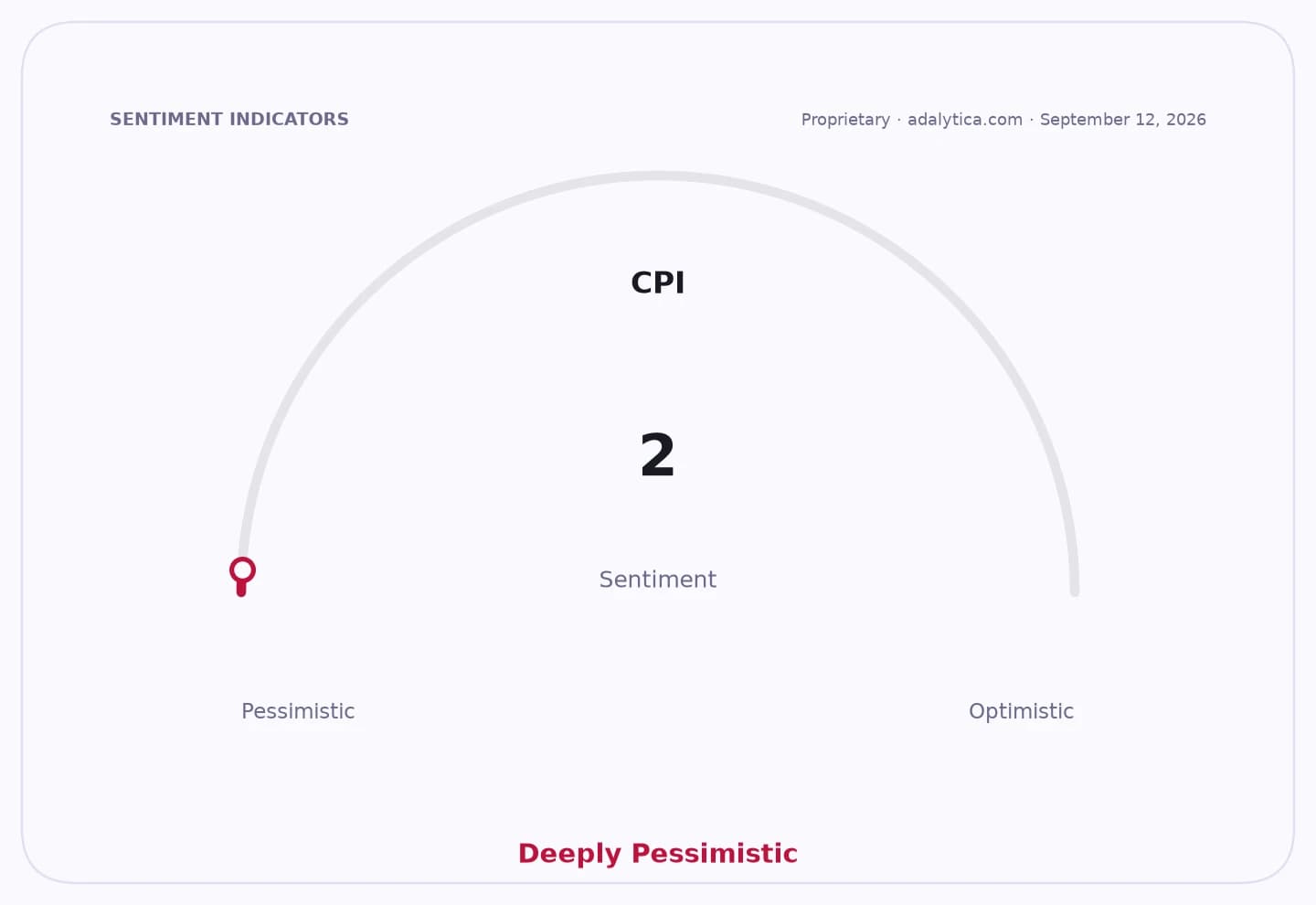
Sentiment IndicatorsⓘProprietary · adalytica.com · September 7, 2026
This is a snapshot — live sentiment, awareness and momentum for 130+ markets update continuously in the dashboard.Open AlphaPulse
For investors, the headline matters because inflation is now running far below the levels that force central banks into defensive mode. When price growth is this subdued, the policy debate shifts from how high rates need to go to how soon they can be cut. That is good news for borrowers, housing-sensitive sectors and rate-cut beneficiaries, but less helpful for savers and holders of short-duration cash instruments.
The move is especially important because the CPIF reading is the benchmark the Riksbank uses when setting its policy rate. An unchanged 0.7% reading suggests underlying price pressure remains soft, at least on a preliminary basis. The full breakdown of goods and services prices will not arrive until Sept. 14, but the initial figure is already enough to push rate expectations lower.
That has broader economic implications. Sweden is a small, open economy, and softer inflation can quickly feed into easier financial conditions, a weaker krona, and eventually more support for domestic demand. If the Riksbank leans into that backdrop with cuts, mortgage holders and highly leveraged companies are likely to benefit first. Exporters, meanwhile, could face a mixed picture: lower rates help growth, but a weaker currency can also lift imported costs.
For equity investors, the message is less about one month of inflation and more about the direction of travel. Lower inflation improves the odds of a gentler policy path, which can be constructive for Swedish banks, real estate names and consumer-facing companies that have been squeezed by high financing costs. It also reinforces the case for staying patient in areas that typically recover when the cost of capital starts falling.
The risk, of course, is that a soft inflation print reflects weak demand rather than a clean disinflation story. If growth is slowing too sharply, rate cuts may not be enough to revive confidence quickly. But for now, the surprise looks more helpful than harmful: Sweden’s inflation picture is easing faster than expected, and that keeps the door open to lower rates sooner rather than later.
| Entity | Gains | Losses |
|---|---|---|
| Swedish borrowers | ▲Lower financing costs | ▼Less incentive for cash saving |
| Riksbank doves | ▲More room to cut rates | ▼Hawks lose urgency |
| Domestic rate-sensitive stocks | ▲Easier policy backdrop | ▼High-rate winners |
| Krona bears | ▲Possible weaker currency | ▼Importers facing higher costs |