Swedish households are leaving dishwashers and other appliances running unattended at a scale that is helping drive billions of kronor in water-damage claims, underscoring a costly gap between everyday behavior and home-safety standards.
Sweden water-damage claims rise on appliance leaks
The problem matters because it is no longer a nuisance issue: insurers paid out more than 3 billion kronor for water damage in Swedish homes in 2025 alone, according to Svensk Försäkring, and the total bill is higher once deductibles and age-related reductions are included, Länsförsäkringar said after commissioning the survey from Infostat. For homeowners, that means a single leak can quickly become a prolonged and expensive renovation, while for insurers it keeps pressure on underwriting margins in a category already prone to frequent, low-to-medium severity losses.
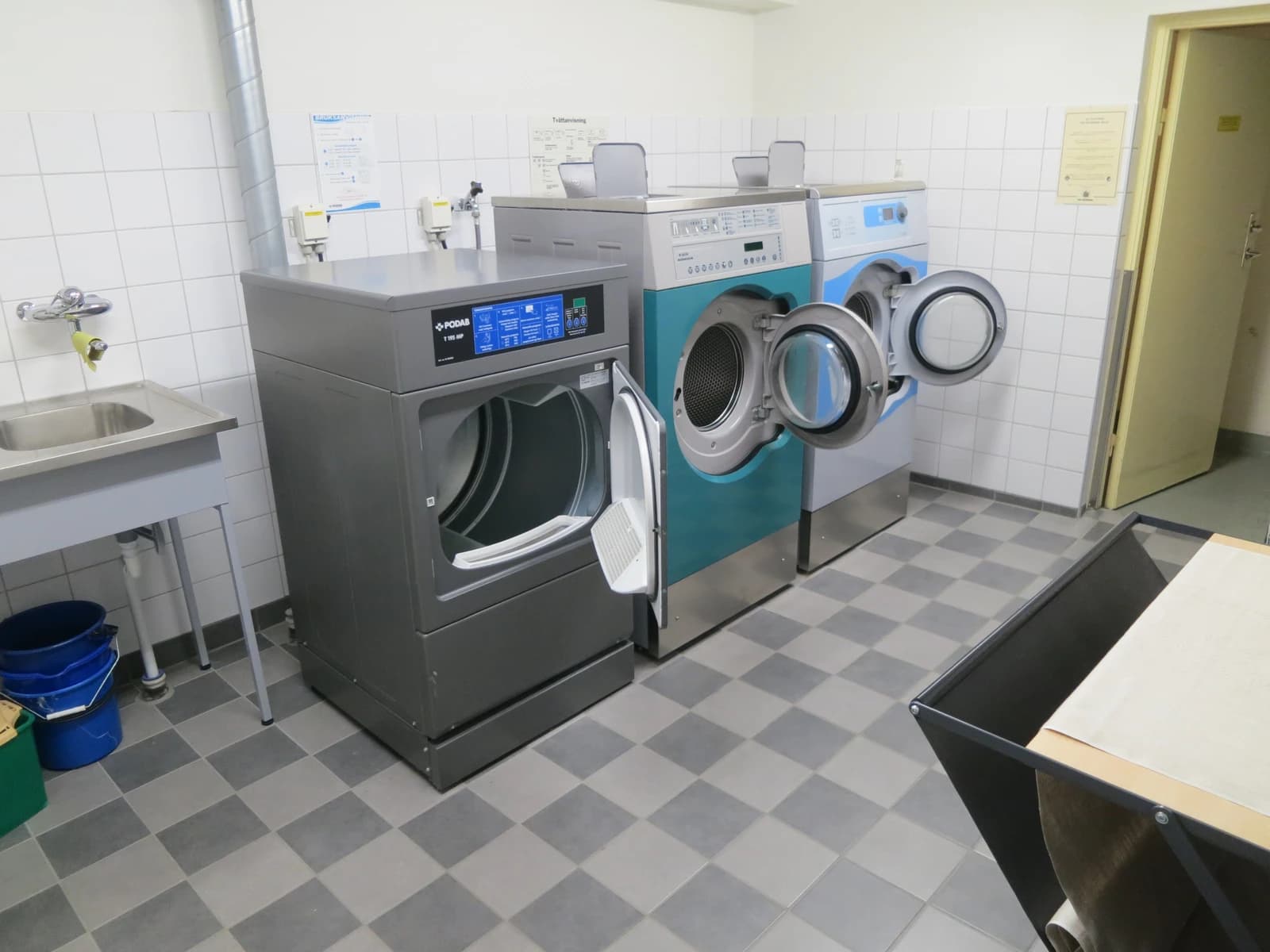
The kitchen is the clear flashpoint. The survey found that the room accounts for the largest share of residential water damage, with dishwashers and refrigerators each implicated in 31% of incidents. Yet 65% of Swedes say they run the dishwasher while asleep or away from home, leaving a narrow margin for a hose failure or loose connection to turn into a major claim overnight.
That matters economically because water damage is one of the most expensive forms of household loss: it can spread into floors and walls before anyone notices, forcing drying, demolition and reconstruction, and in some cases temporary relocation. Länsförsäkringar’s Caroline Josefsson said the damage is not just financial but disruptive, with remediation often involving fans, sanitation work and long repair times.
The survey also suggests a large prevention gap. In 98% of reported water-damage cases, there was no water-fault equipment such as a shutoff valve or leak alarm. That points to a relatively simple fix that could reduce claims frequency, but it also suggests a behavioral problem that insurers alone cannot solve. The cheapest defense is also the least used: run machines when someone is home, check hoses and seals regularly, and install leak alarms under appliances.
The implications extend beyond insurers. Appliance makers and retailers benefit when households replace old machines, but the data also reinforces the case for built-in safety features and connected controls that can detect leaks early. For investors, that makes home-appliance safety and energy-efficiency upgrades part of a broader theme: consumers may be casual about risk, but they are increasingly exposed to the cost of not modernizing older equipment.
For Swedish households, the immediate takeaway is that the most expensive part of an appliance may not be the machine itself but the damage it leaves behind. For insurers and manufacturers, the opportunity is in prevention technology; if adoption stays low, the claims burden will remain a stubborn drag on household finances and underwriting results.
| Entity | Gains | Losses |
|---|---|---|
| Insurers | ▲More demand for prevention cover | ▼Higher claim payouts |
| Households with leak alarms | ▲Lower damage risk | ▼Upfront installation cost |
| Appliance makers | ▲Safety-feature sales pitch | ▼Older product replacement pressure |
| Unattended users | ▲Convenience | ▼Greater water-damage losses |