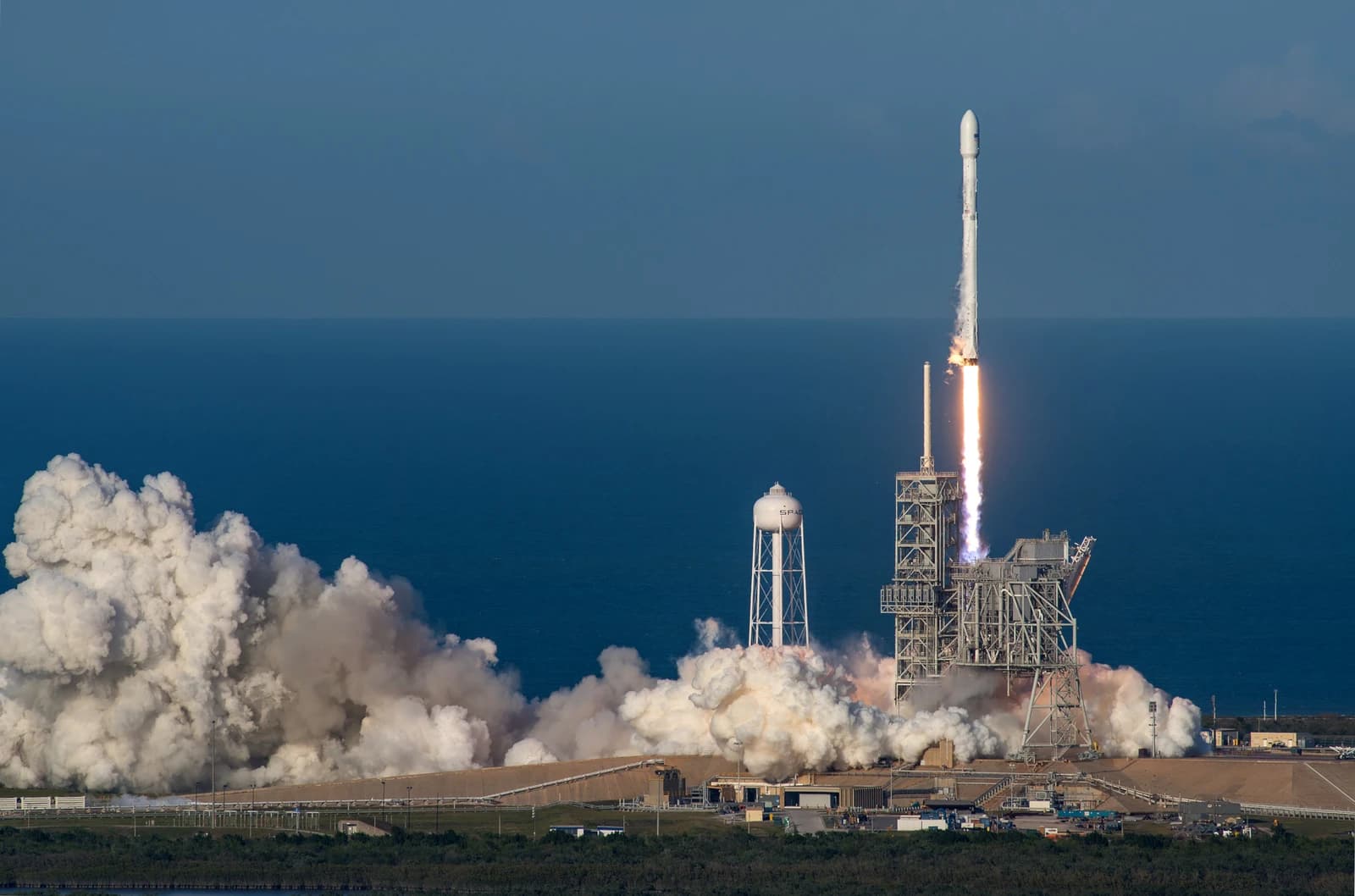
T-Mobile US is not pursuing a large-scale deal with SpaceX, a signal that the carrier wants access to satellite broadband without taking on the kind of transformative tie-up that could change its capital and competitive profile.
T-Mobile Rejects Large SpaceX Deal

The stance matters because satellite-to-phone coverage is moving from novelty to a core wireless feature, and the biggest U.S. carriers are racing to lock in partnerships that can extend service into dead zones. T-Mobile, Verizon and AT&T have all moved to secure spectrum and network access for satellite services, but CEO G. Michael Sievert is drawing a line around any deeper combination with Elon Musk’s SpaceX.
Sentiment Indicators
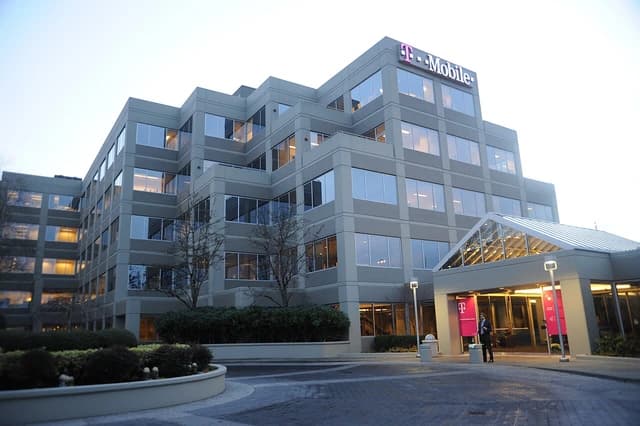
For investors, that lowers the odds of a potentially dilutive or distraction-heavy acquisition or merger review, while keeping T-Mobile focused on its wireless business at a time when execution and margins matter more than splashy M&A. T-Mobile’s shares have been volatile, falling to $148.58 on Oct. 9 before rebounding to $159.63 on Nov. 2, still below the stock’s 200-day moving average around $185.33.
The company has been leaning on operational strength rather than dealmaking. In its Oct. 28 filing, T-Mobile said it delivered strong account and ARPA growth, translating into industry-leading service revenue, profitability and EPS growth, even as it continues evaluating restructuring tied to its network initiatives.
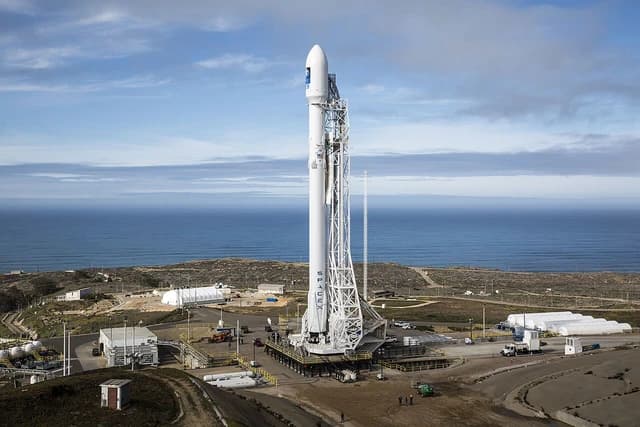
The broader sector backdrop is one of rapid satellite consolidation and rising investor attention to who controls next-generation connectivity. Verizon has already entered a joint venture with AT&T and T-Mobile to tackle wireless dead zones, underscoring that the industry sees satellite access as a strategic necessity rather than an optional add-on.
T-Mobile’s choice to keep SpaceX at arm’s length suggests the carrier wants the upside of satellite coverage without the complexity of a major transaction. The next catalyst is whether carriers can turn those partnerships into commercial services quickly enough to defend share and support margins as the wireless market gets more competitive.
| Entity | Gains | Losses |
|---|---|---|
| T-Mobile | ▲Strategic flexibility | ▼M&A distraction |
| SpaceX | ▲Partnership optionality | ▼Major wireless deal |
| Verizon/AT&T | ▲Competitive parity on satellite | ▼Less room to differentiate |
| TMUS shareholders | ▲Lower deal risk | ▼Faster satellite rollout uncertainty |