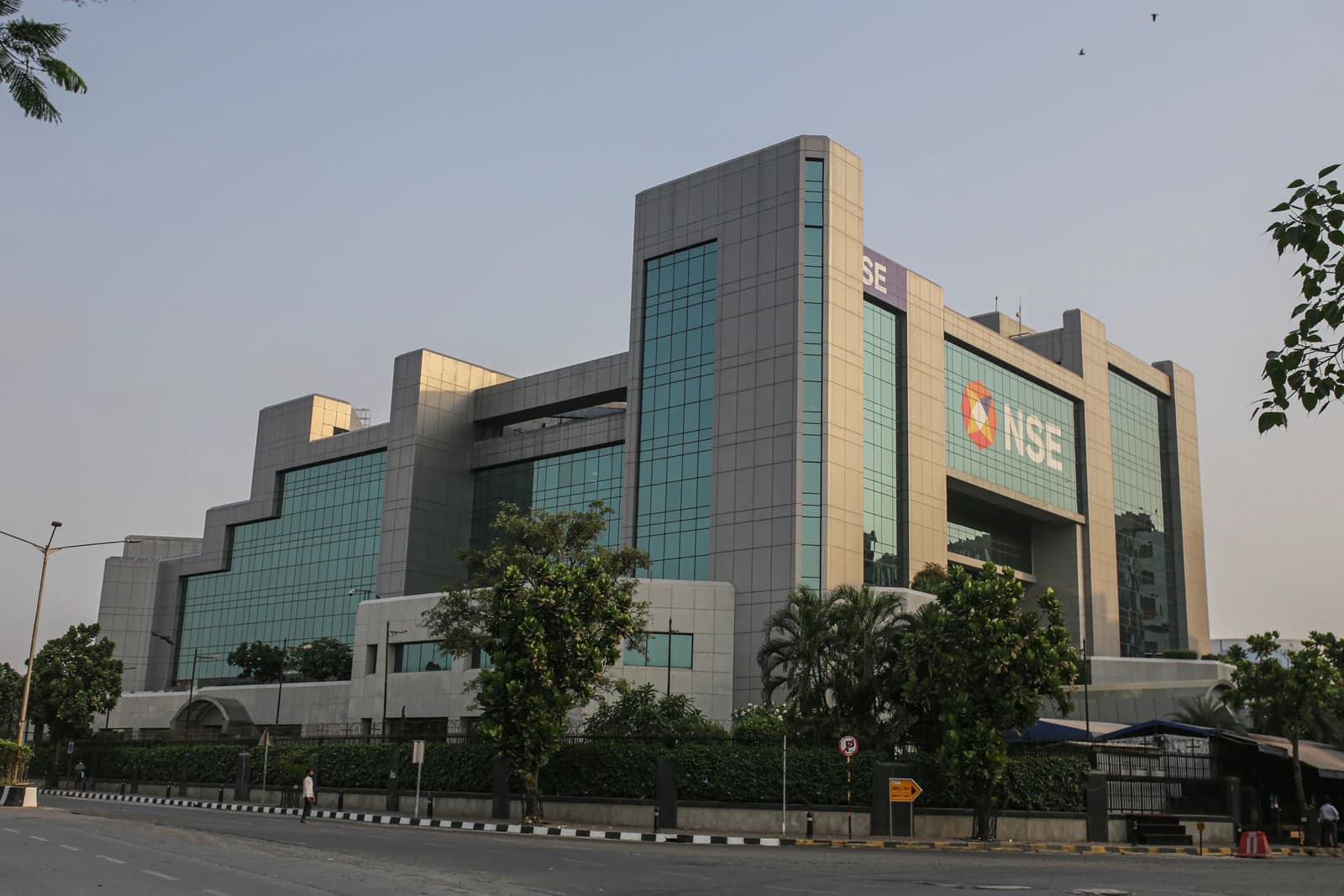
A detained Nvidia employee in Taiwan is a reminder that the real choke point in the AI boom is no longer just demand for chips, but the security of the supply chain that moves them across borders.
Taiwan Probe Highlights AI Supply Chain Risk
Taiwanese prosecutors say the employee is suspected of falsifying documents to bypass export controls, a development that matters far beyond one arrest. Nvidia sits at the center of the global AI infrastructure buildout, and any allegation tied to chip trafficking underscores how quickly governments can turn the semiconductor trade into a compliance and geopolitical battleground. For investors, that raises the odds of more scrutiny, more friction and potentially more delays in a market that has priced AI as if supply chains were frictionless.

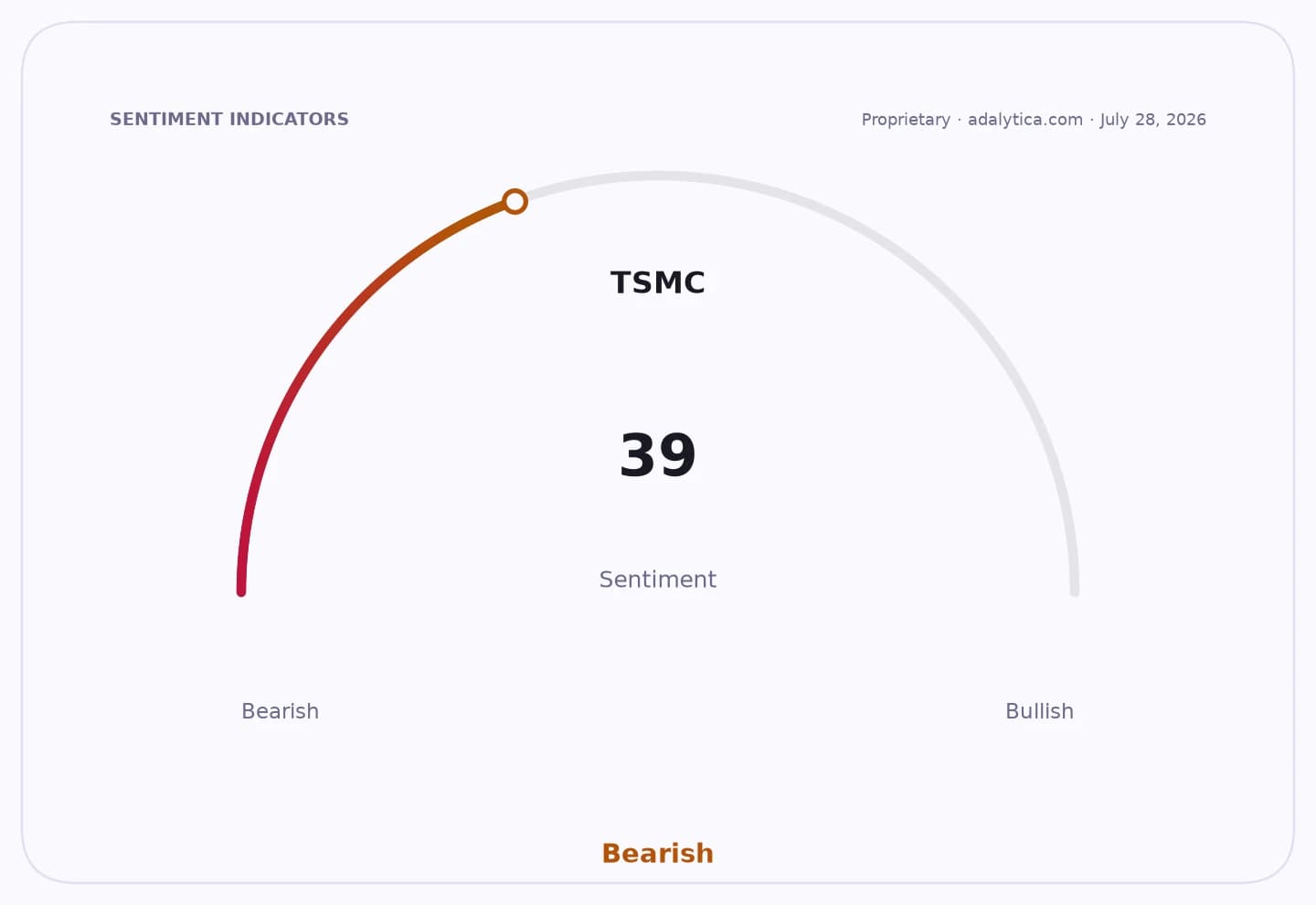
The economic significance is simple: AI hardware is becoming strategic infrastructure, and strategic infrastructure attracts rules, inspections and enforcement. The more advanced the chip, the more likely it is to sit inside a web of restrictions, re-routing attempts and channel checks. That adds cost and uncertainty for Nvidia, for partners such as Taiwan Semiconductor Manufacturing, and for customers trying to secure scarce compute. It also reinforces the policy premium embedded in the entire semiconductor complex, where export controls can be just as important as earnings beats in determining valuation.
The market has already been signaling some strain. Nvidia’s shares, after surging above $235 in May, have pulled back to around $196, slipping below the 50-day moving average even as the stock’s long-term trend remains intact. The 50-day moving average now sits above the price, and standard technical readings show momentum cooling after the stock’s earlier overbought stretch. The SOXX semiconductor ETF has also lost altitude, and TSMC has retreated from recent highs, suggesting investors are taking some risk off the table as the sector digests stronger regulation, not just stronger demand.
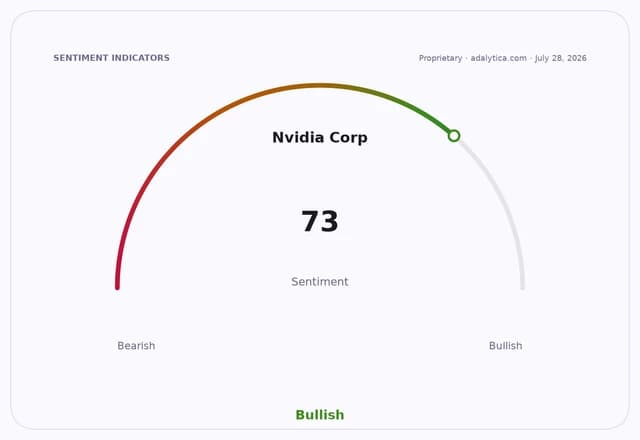
That is exactly why this development matters to investors. Nvidia remains the purest play on AI capex, but the market underestimates the second-order risk that comes with being the most important supplier in a politically sensitive industry. Every export-control headline nudges buyers toward diversification, compliance-heavy channels and, in some cases, alternative architectures or regional sourcing strategies. That does not kill the AI cycle. It changes who captures the margin.
The winners are likely to be the firms that can sell compliance, localization and supply-chain control as much as silicon. The losers are any middlemen or customers relying on gray-market flexibility. For Nvidia, the key question is not whether one detained employee derails the AI trade; it is whether enforcement pressure gradually raises the cost of doing business across a chain already stretched by geopolitics.
For now, the better investment takeaway is to stay long the AI buildout, but position for a more controlled, more regulated version of it. The biggest upside may not come from the headline chip designer alone, but from the toll roads around it: foundries, advanced packaging, networking, power and security-driven infrastructure providers that benefit as the rules tighten and the race for compute gets more expensive.
| Entity | Gains | Losses |
|---|---|---|
| Nvidia compliance-heavy rivals | ▲market share clarity | ▼gray-market channels |
| TSMC and trusted foundry partners | ▲policy-safe demand | ▼supply-chain scrutiny |
| AI infrastructure suppliers | ▲higher security spend | ▼unregulated intermediaries |