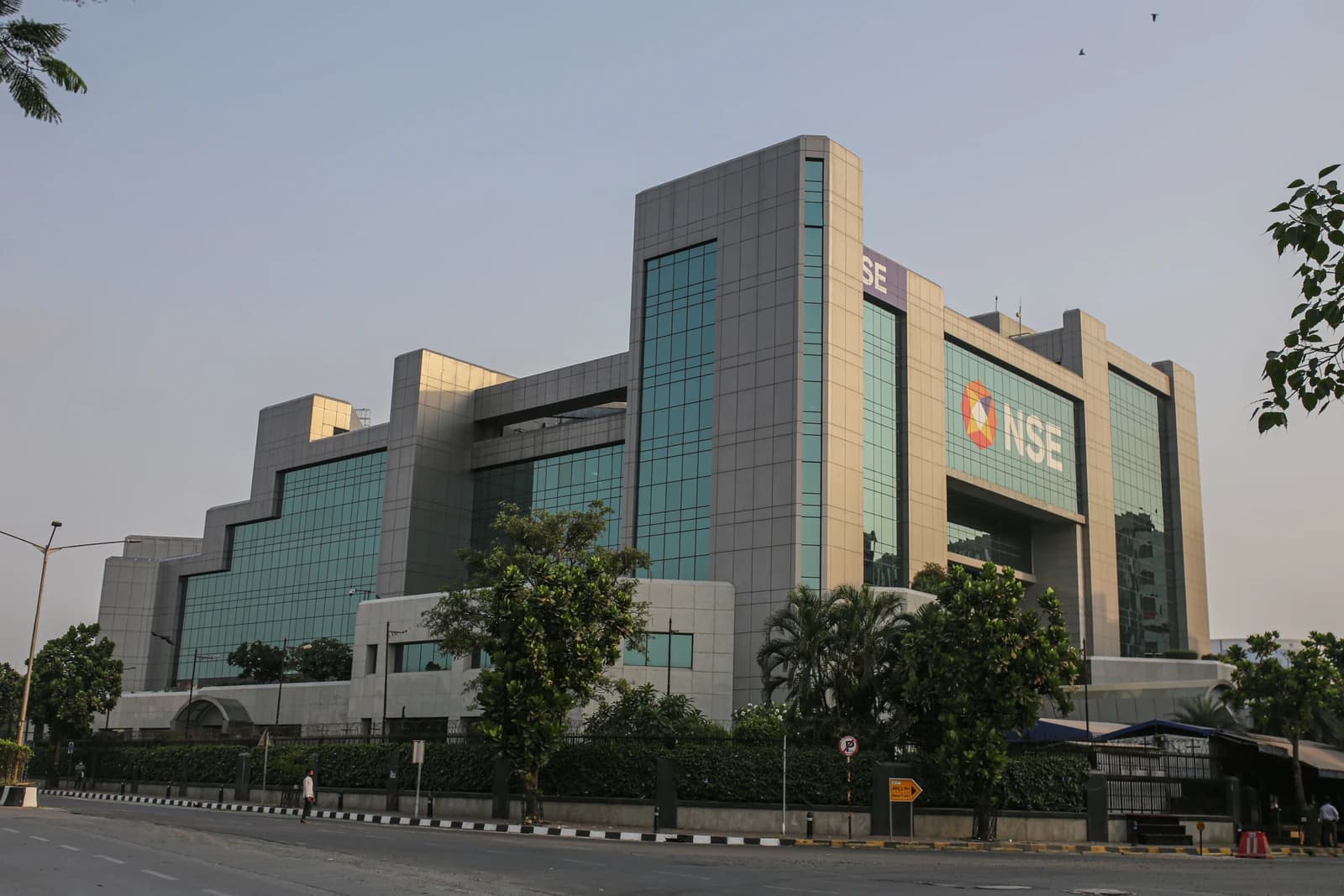
India’s Tata Group just reminded investors that governance can matter as much as earnings, with listed Tata companies shedding about $3.2 billion in market value after a public split over the future of Tata Sons.
Tata Group Stocks Fall on Tata Sons Governance Rift
That selloff matters because Tata Sons sits at the center of one of India’s most important conglomerates, and any uncertainty around whether the holding company must list — or who ultimately controls it — can ripple through capital allocation, dividend policy and long-term strategy across the group. For investors, this is not just a boardroom squabble; it is a test of whether the Tata franchise can preserve the stability premium that has long supported its stocks.
Sentiment IndicatorsⓘProprietary · adalytica.com · September 20, 2026
This is a snapshot — live sentiment, awareness and momentum for 130+ markets update continuously in the dashboard.Open AlphaPulse
The market reaction was immediate. By Friday noon, about ₹30,222 crore had been wiped off the combined value of listed Tata companies, according to Reuters calculations based on LSEG data. Tata Consultancy Services, the group’s software giant and a bellwether for Indian equities, fell 2.98%. Tata Chemicals dropped 9.57%, Tata Investment Corporation slid 3.55% and Tata Motors Passenger Vehicles lost 3.15%.
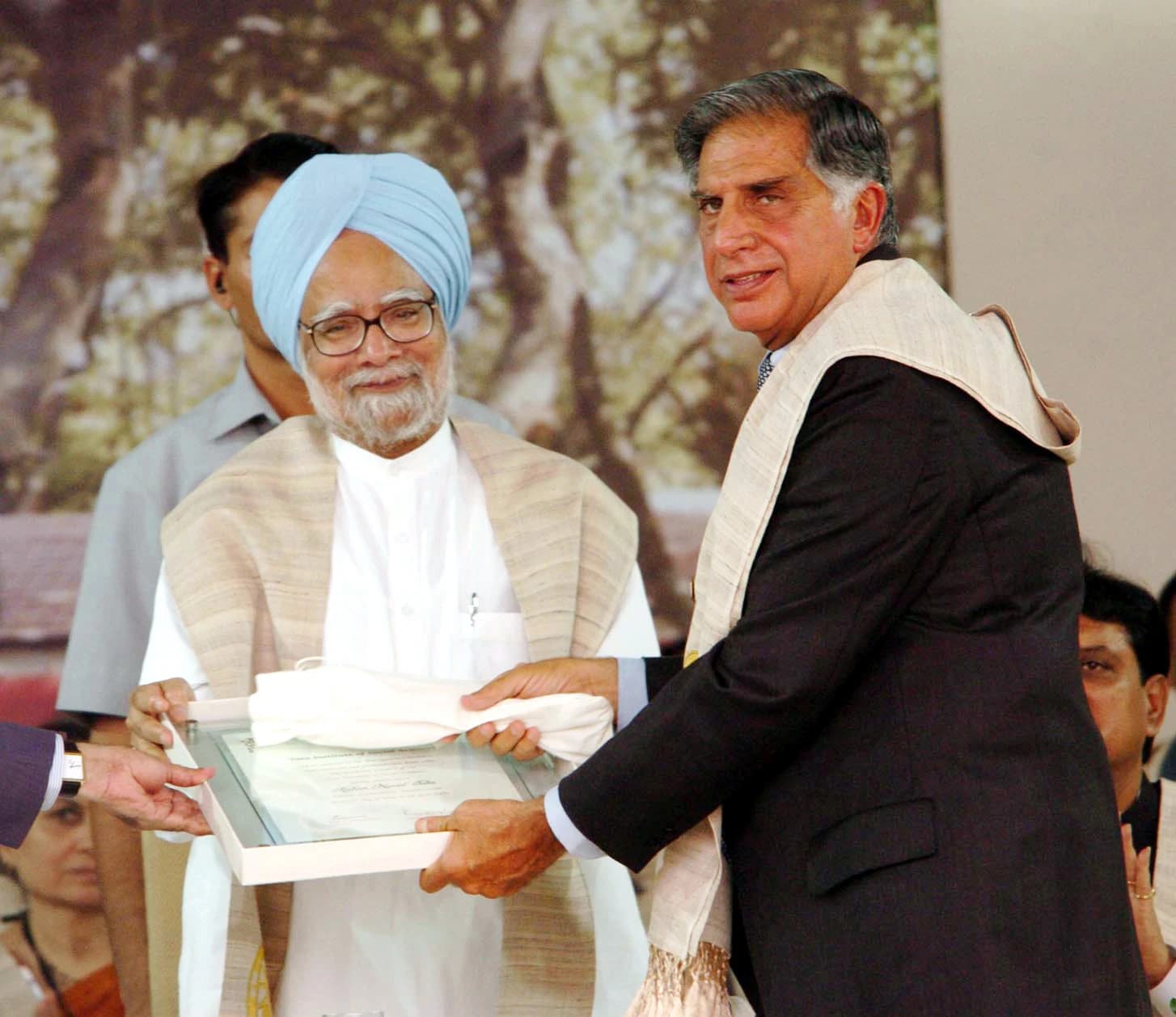
The trigger was a worsening dispute between Tata Sons and Tata Trusts, which owns 66% of the holding company. On Thursday, Tata Sons’ board moved toward complying with Reserve Bank of India rules that could force a listing, while also extending Chairman N. Chandrasekaran’s term by five years. Tata Trusts then pushed back, opposing both moves and calling the reappointment “illegal” under Tata Sons’ articles of association.
For long-term investors, the key issue is not one day’s price action. It is whether this rift changes the way one of India’s most powerful business groups is governed. Tata Trusts relies on Tata Sons dividends to support its philanthropic work, while the holding company may need more flexibility to fund investment and meet regulatory expectations. That tension can shape payouts, control, and the pace of strategic decisions.
There is also a broader ownership question. Tata Trusts flagged a proposal from Shapoorji Pallonji Group, Tata Sons’ second-largest shareholder, to monetize part of its 18.4% stake through a two-tranche buyout worth at least $2.61 billion over 18 months. That suggests pressure around the capital structure could intensify just as the group faces scrutiny over succession and listing plans.
For investors, the takeaway is simple: Tata remains a powerful franchise, but the market is now pricing in governance risk that had been easier to ignore. If the dispute is resolved, the selloff could prove a setback rather than a thesis-breaker. If it deepens, the discount could linger across the group’s stock complex. Either way, this is a story worth watching, not trading around.
| Entity | Gains | Losses |
|---|---|---|
| Tata Trusts | ▲control leverage | ▼dividend certainty |
| Tata Sons leadership | ▲listing compliance path | ▼governance calm |
| Tata group shareholders | ▲resolution clarity | ▼near-term stock value |
| Shapoorji Pallonji Group | ▲monetization possibility | ▼bargaining uncertainty |