Telecom investors are treating artificial intelligence less like a growth story and more like a margin test, with AT&T, Verizon and T-Mobile all under pressure as the sector absorbs heavier capital demands while the payoff from AI-driven network upgrades remains uncertain.
Telecom Stocks Face AI Capex Margin Pressure
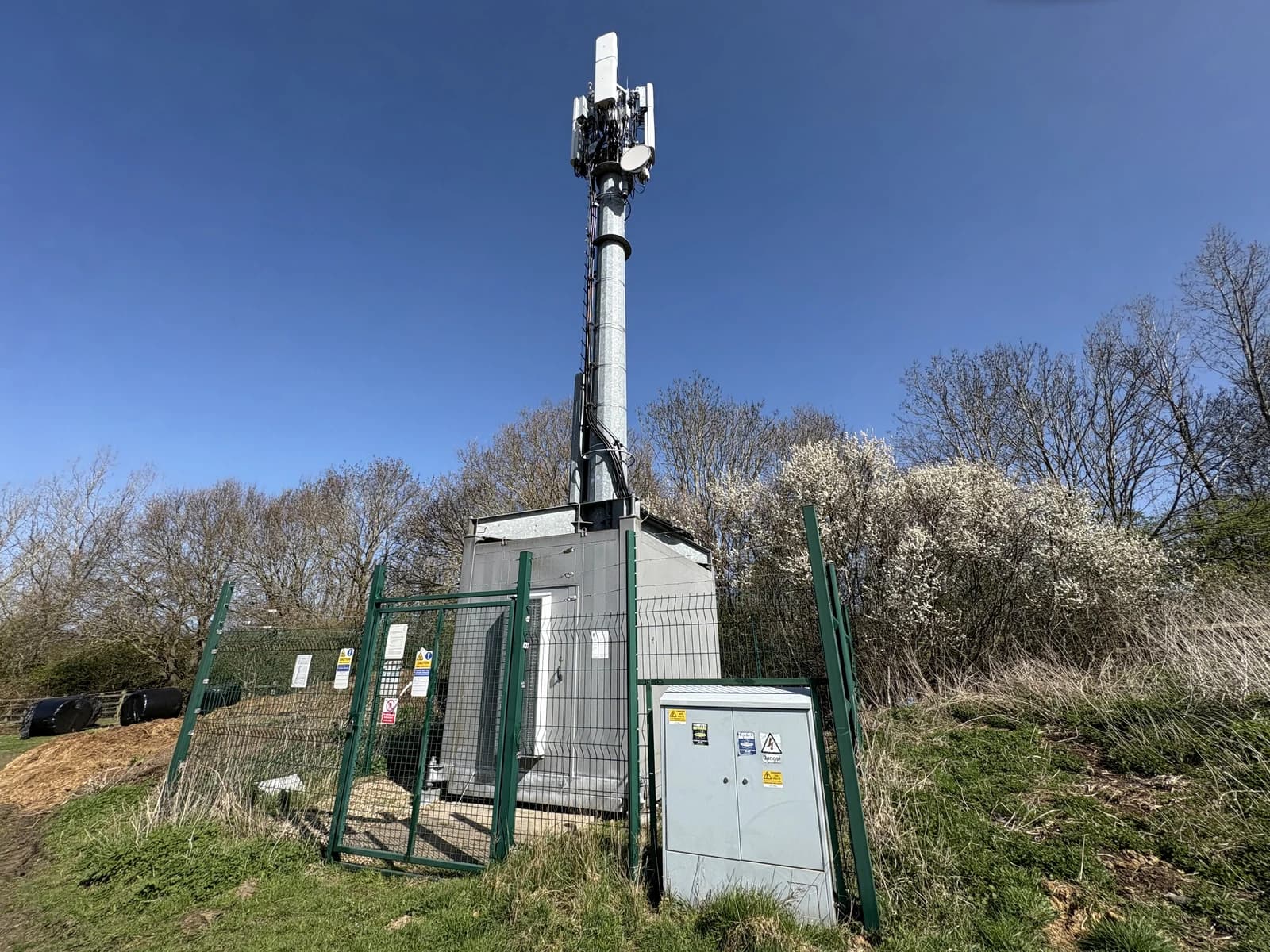
The shift matters because telecom carriers are being pushed to spend more on fiber, spectrum, edge computing and network automation at the same time that competition keeps pricing power limited. That combination can squeeze free cash flow even when demand for data services stays solid, making AI more of a cost center than an immediate earnings tailwind.
Sentiment Indicators
AT&T has been the weakest of the three, with shares at $21.83 on Nov. 4, down from $26.52 in late February and below both its 50-day moving average at $23.93 and its 200-day average at $24.43. The stock has recovered from an October low near $21.39, but the technical picture remains fragile, with RSI at 36.8 and MACD still negative, showing investors are not yet convinced the selloff is over.
Verizon has held up better, trading at $46.17 after rebounding from an October slide to $41.65. Even so, the stock remains only marginally above its 200-day moving average at $45.62, a sign the market is still debating whether its AI-related network investments can translate into faster earnings growth rather than just higher spending.

T-Mobile has borne the heaviest valuation reset. The stock ended Nov. 4 at $159.17, well below its 200-day moving average of $185.08 and far off its 2026 high above $200, after sharp October volatility knocked the name from a premium multiple to a more skeptical footing. Its RSI at 52.0 suggests the recent bounce has not fully repaired the damage from that drawdown.
The broader market backdrop is mixed. Adalytica’s S&P 500 trading snapshot shows neutral sentiment, while its AI gauge sits in fear territory, underscoring that investors are less willing to pay up for AI exposure unless they can see a clearer route to profit. That helps explain why telecom, once seen as a defensive income play, is now being pulled into the same AI-capex debate hitting the wider tech complex.
For investors, the key question is whether AI can improve telecom efficiency fast enough to offset the cost of deployment. Until carriers show a cleaner path to margin expansion, the sector is likely to remain in the market’s penalty box, with stock performance driven more by capital intensity and cash flow discipline than by AI rhetoric.
| Entity | Gains | Losses |
|---|---|---|
| AT&T | ▲potential on network efficiency | ▼margin pressure, weak technicals |
| Verizon | ▲defensive cash flow appeal | ▼higher AI capex burden |
| T-Mobile | ▲long-term tech upside | ▼valuation compression, volatility |
| Telecom buyers | ▲better network services | ▼slower dividend growth |