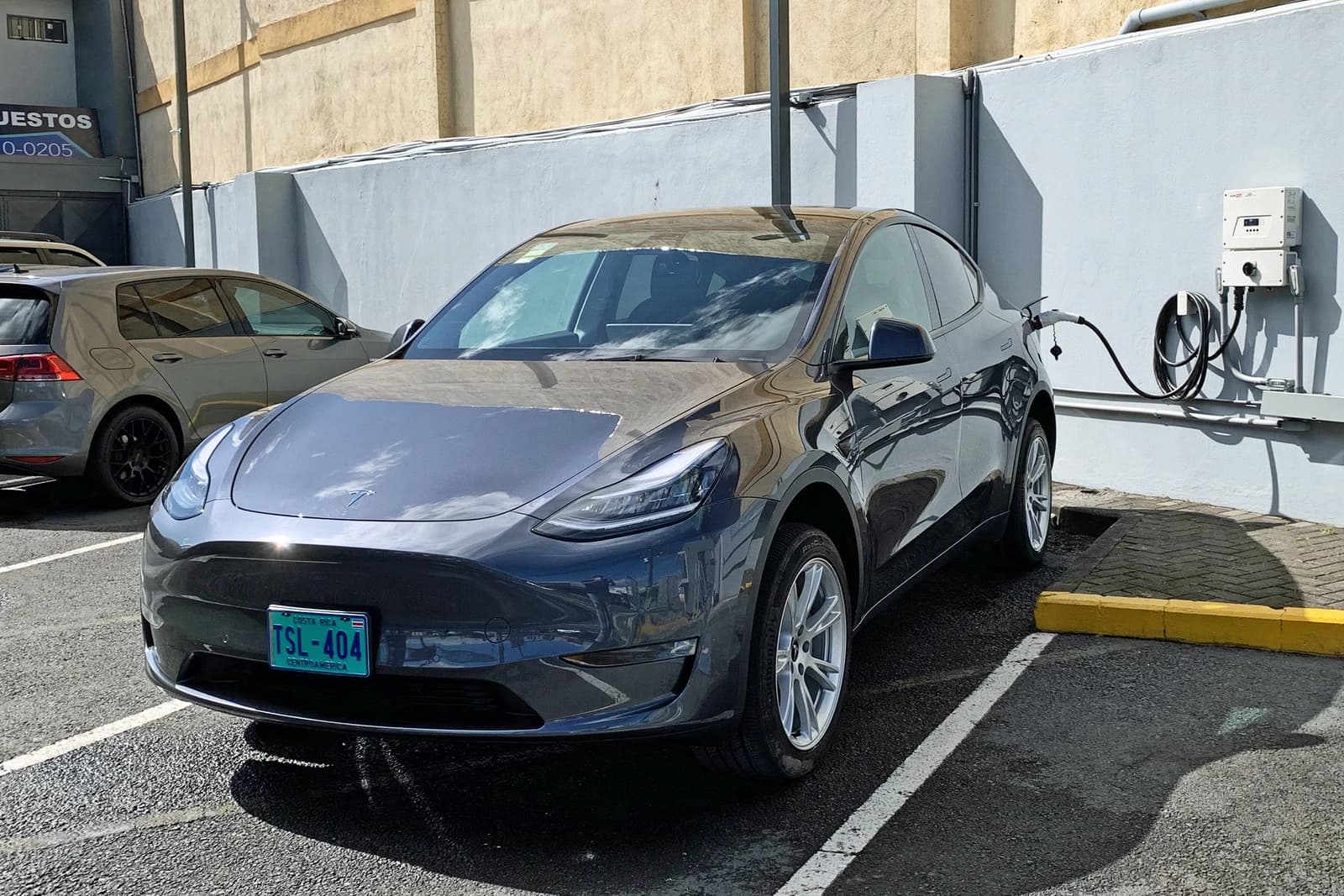
Tesla’s robotaxi fleet in Austin has swelled to more than 300 Cybercabs, an eightfold increase in 30 days, underscoring how quickly the company is trying to turn autonomy from a demo into a commercial network even as basic safety issues remain unresolved.
Tesla Austin Robotaxi Fleet Tops 300 Cybercabs
The expansion matters because robotaxi is not a side project for Tesla; it is central to Elon Musk’s case that the company deserves a software-like valuation rather than that of a cyclical automaker. A larger fleet can improve service availability, generate more ride data and, in theory, lower unit costs as Tesla pushes toward a self-driving transport platform. But the same rapid scaling also raises the stakes around regulation, liability and execution, particularly for a company still working on night-driving performance and edge cases that can turn into headline risk.
Sentiment IndicatorsⓘProprietary · adalytica.com · October 14, 2026
This is a snapshot — live sentiment, awareness and momentum for 130+ markets update continuously in the dashboard.Open AlphaPulse
Musk said earlier this month that Tesla’s main challenge was making sure it did not run over pets, including “little kittens,” at night, a remark that highlighted how far the company remains from fully convincing regulators and riders that its vision-only approach is robust enough for dense urban operation. Unlike Waymo, WeRide and other robotaxi developers that use lidar alongside cameras, Tesla is betting on cameras and software alone. That architecture is cheaper and potentially easier to scale, but it leaves Tesla exposed if the system cannot consistently handle low-light conditions, unusual objects and unpredictable street behavior.
The Austin rollout also comes as Tesla faces a more skeptical policy backdrop in Europe, where it has dropped the “Full Self-Driving” name from official channels after pushback from German authorities. Tesla is now calling the supervised system “Tesla Assisted Driving” in Europe, a reminder that branding, consumer expectations and regulatory scrutiny are becoming as important as technical progress. For investors, that creates a split-screen view: the bull case is that Tesla is finally showing meaningful fleet growth and could be building a defensible autonomy lead; the bear case is that every new vehicle on the road magnifies the risk that a single incident slows deployment or forces more conservative rules.
The market is likely to keep treating robotaxi as an option on Tesla’s future rather than a clean earnings contribution today. The stock has remained highly sensitive to autonomy milestones and setbacks, and recent technical readings suggest the shares are trading with elevated momentum rather than clear fundamental certainty. That makes each Austin update important not just for the size of the fleet, but for whether Tesla can sustain the pace without a safety event or regulatory reversal.
For rivals, Tesla’s expansion is a warning that the autonomous race is no longer limited to testing programs. For investors, the key question is whether scale will eventually prove Tesla’s software advantage or whether the company is simply increasing exposure before the technology is fully mature. The next catalyst is likely to be whether Austin can extend operating hours, broaden coverage and maintain a clean safety record through darker conditions and heavier usage.
| Entity | Gains | Losses |
|---|---|---|
| Tesla | ▲Faster robotaxi scale | ▼Higher safety and liability risk |
| Elon Musk | ▲Credibility on autonomy story | ▼Fewer excuses if incidents rise |
| Waymo, WeRide, Xpeng | ▲Clearer benchmark for robotaxi demand | ▼Pressure to match Tesla’s pace |
| TSLA longs | ▲More autonomy optionality | ▼Exposure to regulatory setbacks |