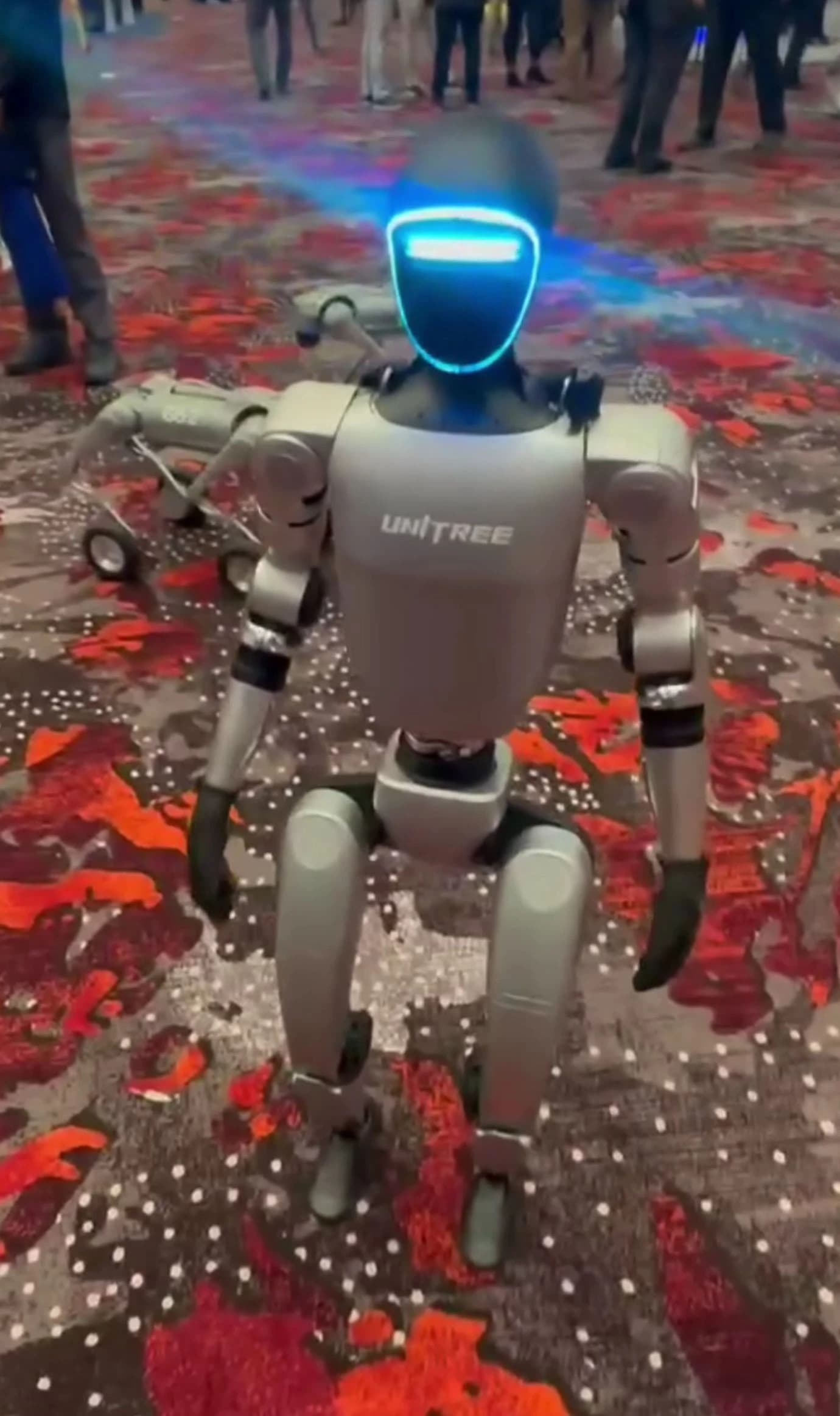
Boston Dynamics has turned to Amazon’s former Alexa chief Rohit Prasad to lead its next phase, signaling that the race to commercialize humanoid robots is moving from mechanical engineering toward AI software and real-world deployment.
Boston Dynamics Names Rohit Prasad CEO
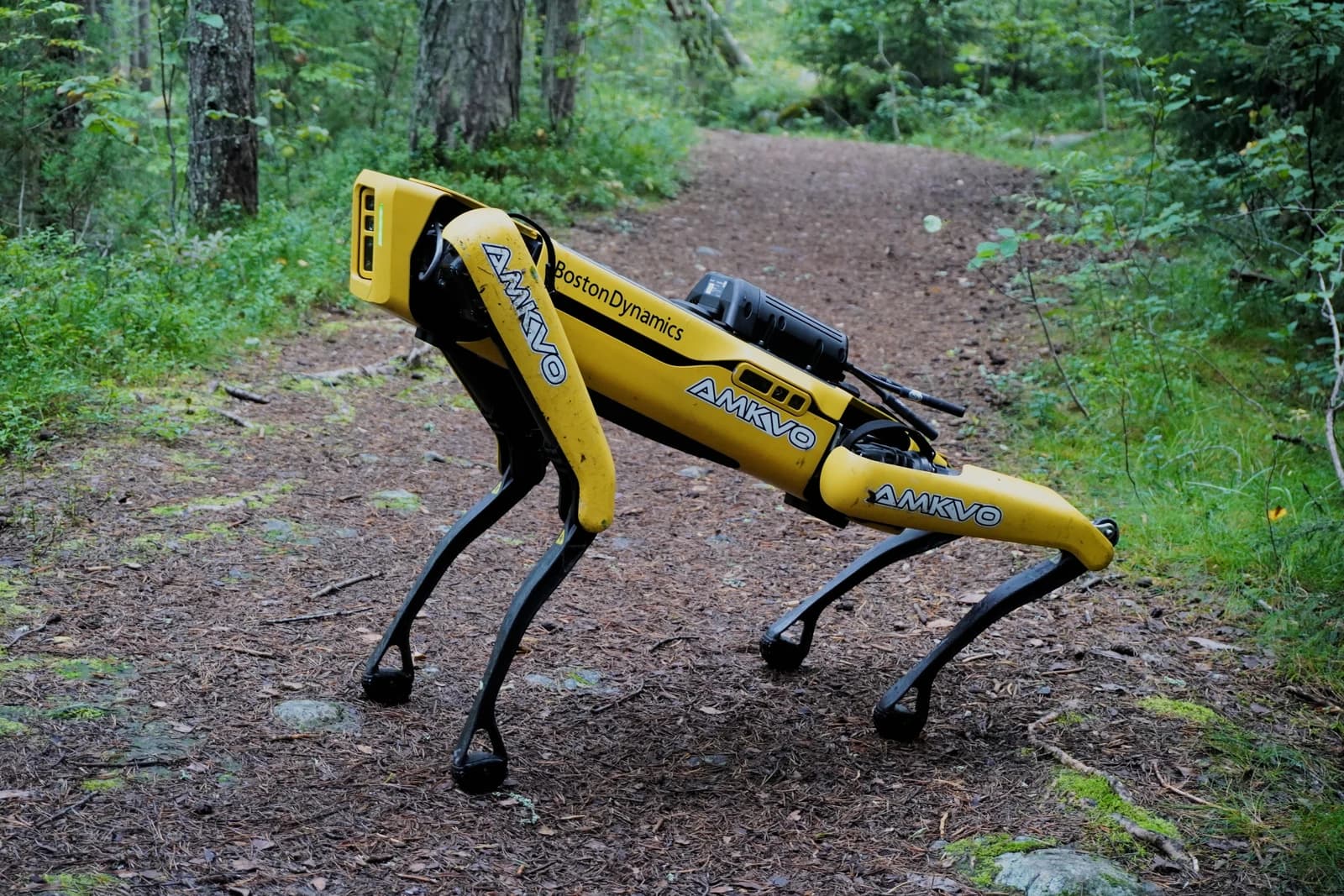
Prasad, an Indian-origin executive who spent 12 years at Amazon and more recently led Amazon Nova, is set to take over as chief executive of the Hyundai-owned robotics company on Oct. 7. He replaces Robert Playter, who stepped down after six years, and arrives with a background that bridges voice AI, foundation models and machine-learning research — exactly the mix Boston Dynamics needs as it tries to turn Atlas and other machines from demos into industrial tools.
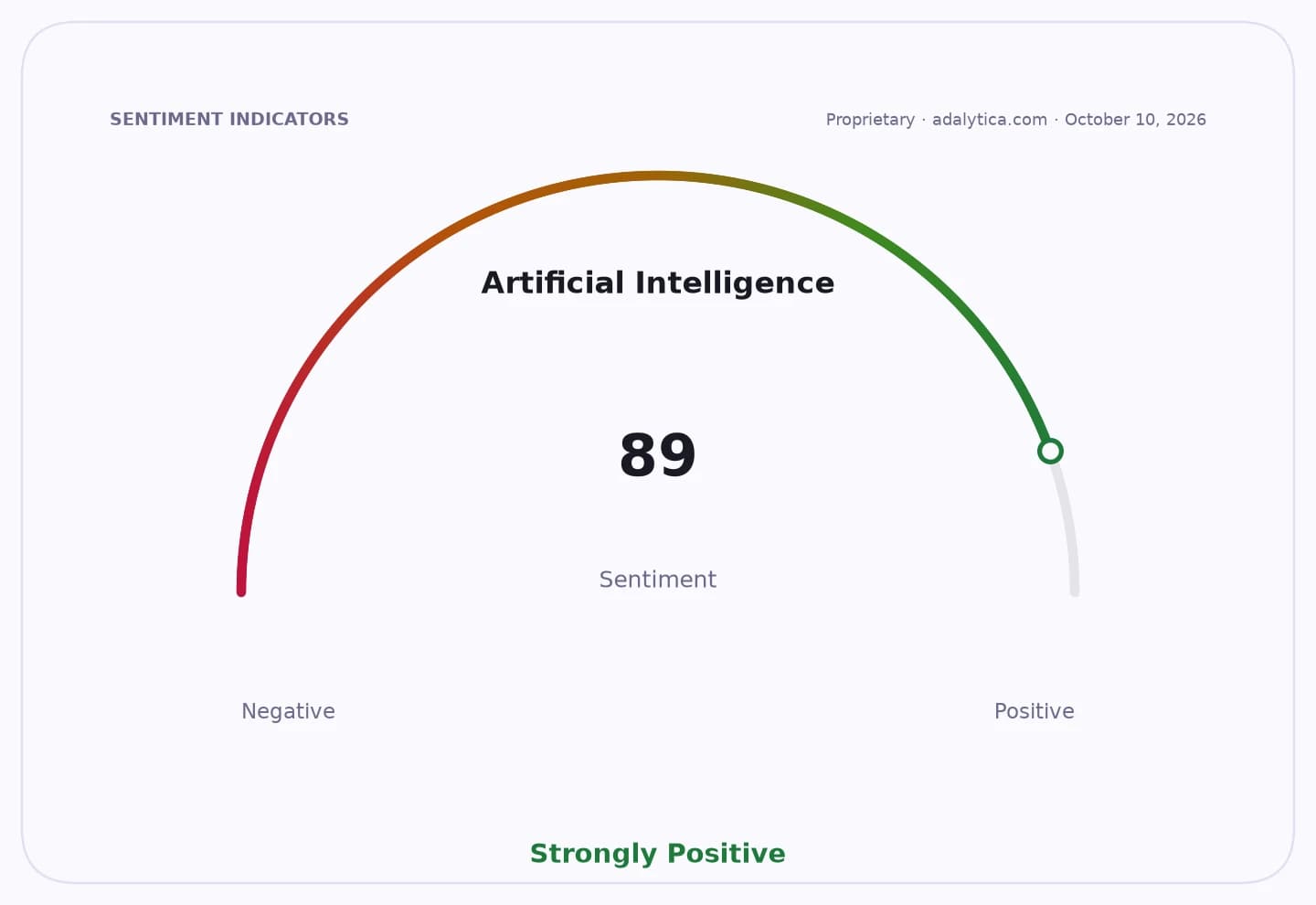
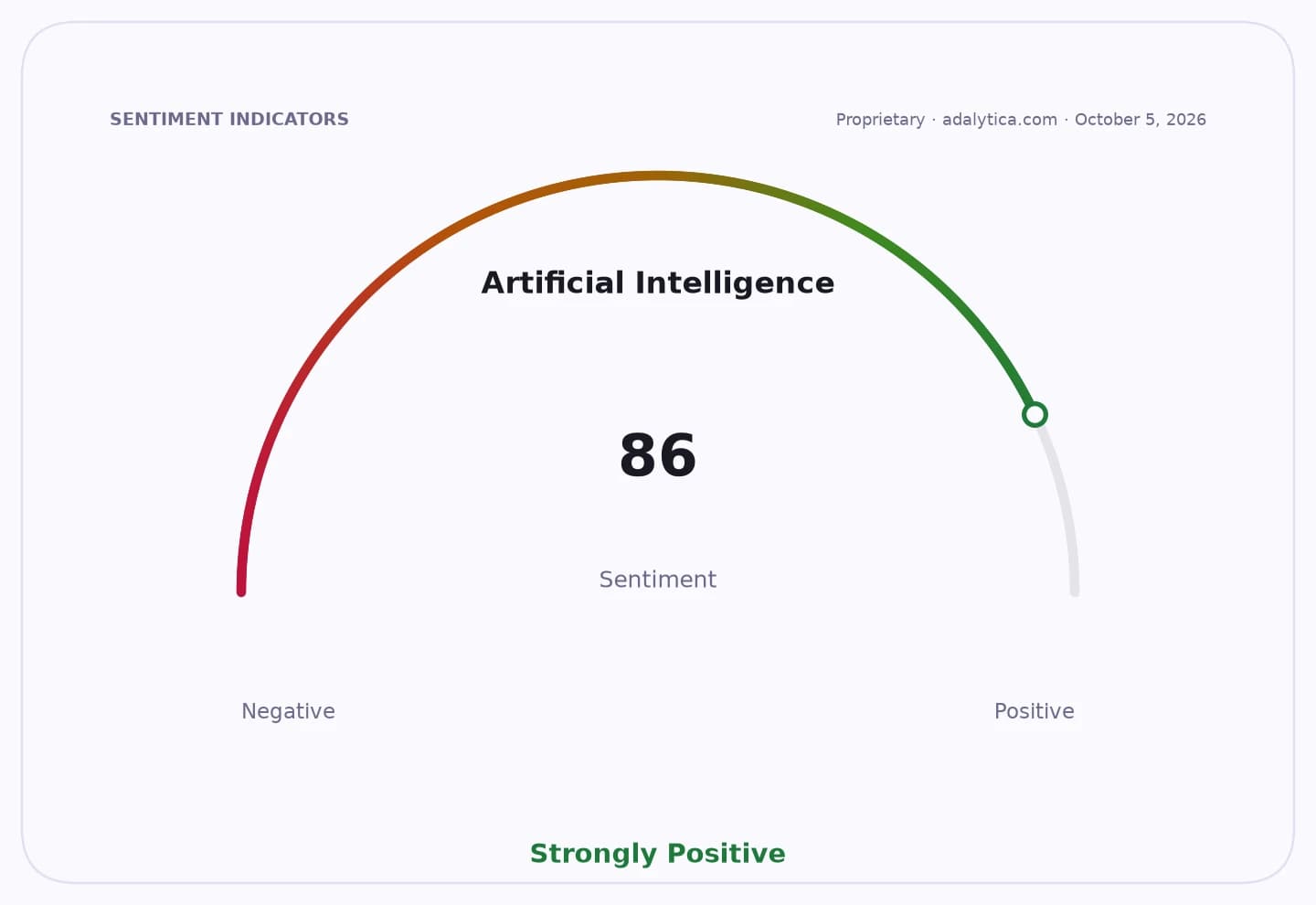
Sentiment IndicatorsⓘProprietary · adalytica.com · October 11, 2026
This is a snapshot — live sentiment, awareness and momentum for 130+ markets update continuously in the dashboard.Open AlphaPulse
The appointment matters because robotics is increasingly becoming an AI story, not just a hardware story. Boston Dynamics has long been synonymous with agile machines and complex motion control, but Hyundai wants the company to deepen the use of artificial intelligence in robots that can work in factories, warehouses and other unstructured environments. That shift, often described as physical AI, is where the economic payoff may finally emerge: robots that can be trained, adapted and deployed at scale rather than engineered one by one.
Hyundai is backing that ambition with capital and industrial demand. The group said in January it aims to build a factory capable of producing 30,000 robots a year by 2028, and it plans to begin deploying Atlas humanoid robots at its Georgia manufacturing site that year before expanding them across its production network. If those plans hold, Boston Dynamics could move from being a showcase robotics lab to a supplier embedded in Hyundai’s own manufacturing base, giving it a path to volume production and recurring commercial use.
For investors, the leadership change is a read-through for how large industrial groups are prioritizing AI talent. Boston Dynamics’ new chief is not a traditional robotics operations executive but an AI specialist with experience turning research into products at Amazon. That suggests the company is betting that the next advantage in humanoids will come from model performance, perception, autonomy and software integration as much as from actuators and walking stability.
The bull case is straightforward: if Prasad can bring Amazon-style AI product discipline to Boston Dynamics, Hyundai could accelerate commercialization and carve out an early lead in factory robotics. The bear case is equally familiar to the sector: humanoids remain expensive, difficult to scale and hard to monetize outside narrow use cases, while the timeline for broad industrial adoption may slip again.
Amazon shares were little changed around the announcement, while the broader AI and robotics trade remains firmly bid, underscoring how investors continue to reward companies tied to enterprise AI and automation even as execution risk stays high. The real test for Boston Dynamics under Prasad will be whether it can turn technical ambition into industrial throughput — and whether Hyundai’s manufacturing push becomes a template for profitable robotics deployment, or another costly bet on a long-dated technology theme.
| Entity | Gains | Losses |
|---|---|---|
| Boston Dynamics | ▲AI leadership; commercial push | ▼Hardware-first approach |
| Hyundai Motor Group | ▲Robotics integration; factory automation | ▼Near-term capital intensity |
| Rohit Prasad | ▲CEO platform; industrial mandate | ▼Execution pressure |
| Amazon | ▲Alumni credibility; indirect AI halo | ▼Senior talent departure |