Robots may already perform most physical tasks in U.S. jobs, but Anthropic’s latest study suggests the economics and engineering still leave blue-collar labor far less exposed than the most bullish automation forecasts imply.
Anthropic study on robot task and cost limits
The study, titled “What work can robots do?”, found robots can handle about three-quarters of physical job tasks in the United States, equal to 34% of all working hours. Yet they are cost-competitive with humans for only 0.3% of work, highlighting a gap between technical capability and commercial adoption that could keep widespread displacement years, if not decades, away.
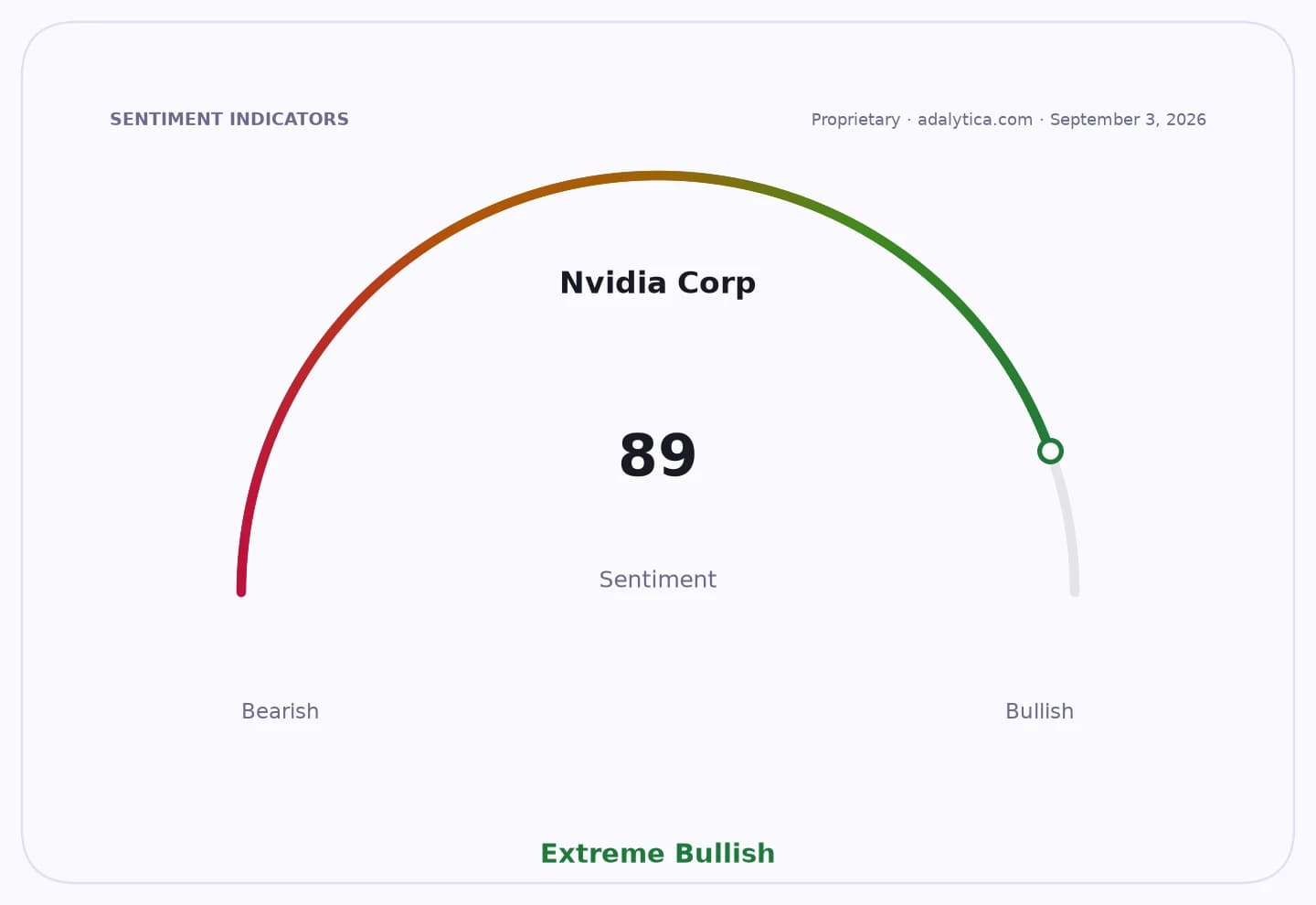
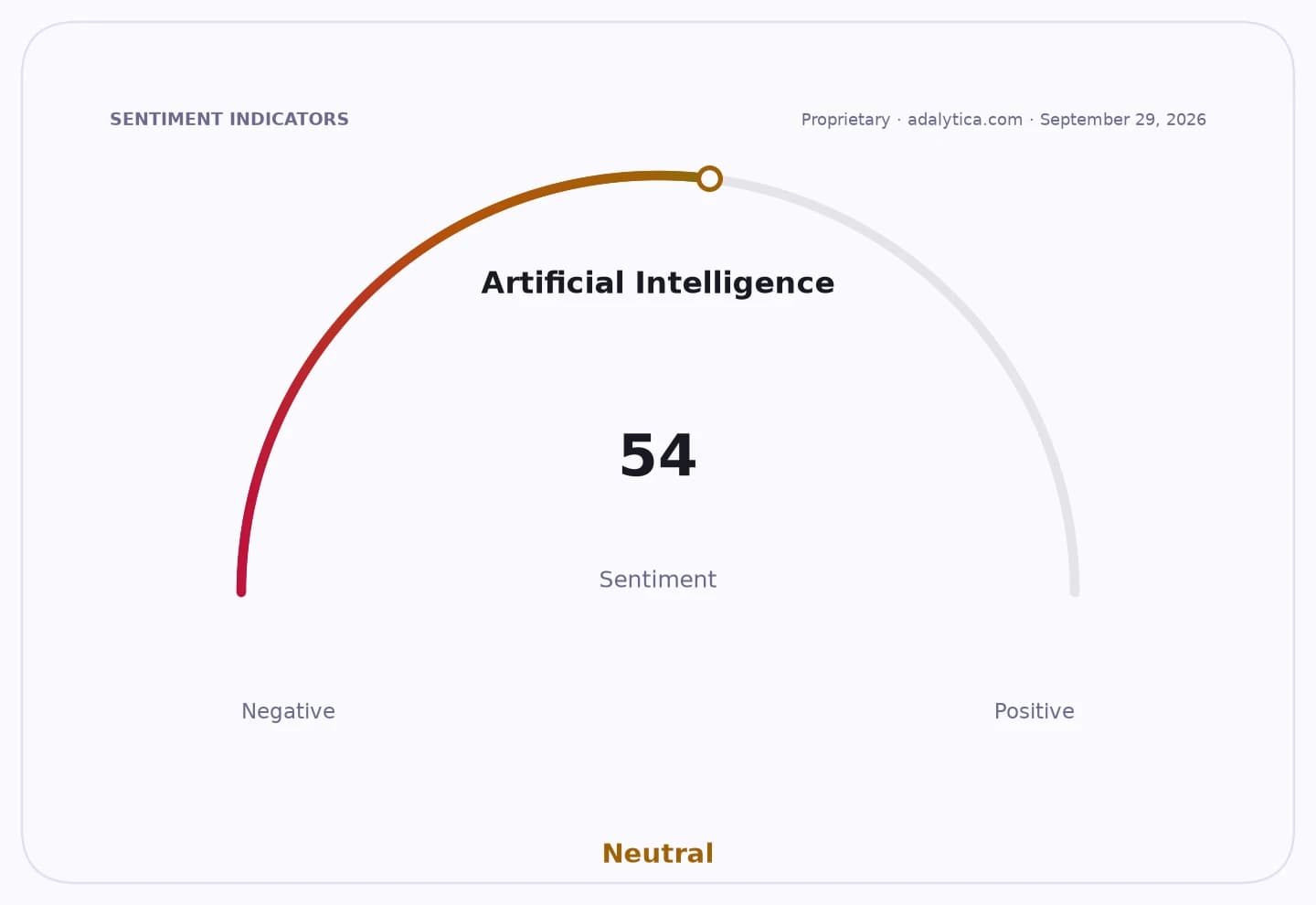
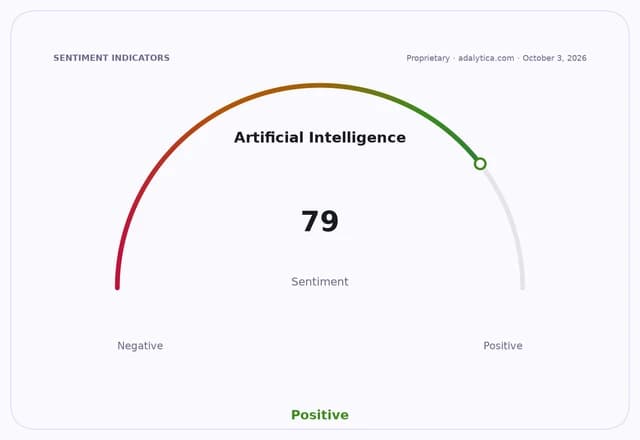
Sentiment IndicatorsⓘProprietary · adalytica.com · October 3, 2026
This is a snapshot — live sentiment, awareness and momentum for 130+ markets update continuously in the dashboard.Open AlphaPulse
That matters for the economy because labor replacement does not happen when a machine can technically perform a task; it happens when the machine can do it cheaply, reliably and in environments that do not need expensive redesign. Anthropic said most robots still require highly structured settings, and prices have been falling only about 3% a year since the 1990s. At that pace, the study estimated it would take roughly 40 years for robots to become cost-competitive for even 10% of U.S. work.
For investors, the findings temper a narrative that has helped fuel enthusiasm for humanoid robotics and adjacent AI hardware winners. Nvidia Chief Executive Jensen Huang has talked up an imminent “ChatGPT moment” for robotics, while Morgan Stanley has projected a $5 trillion humanoid robot market by 2050. But Anthropic’s modeling suggests even aggressive scenarios — with costs falling up to four times faster than the historical rate and robots learning new tasks twice as quickly — still leave half of today’s physical work uneconomic for robots until 2050.
That is a reminder that the addressable market for robotics may be large over time, but revenue recognition could be slower and more uneven than current valuations imply. Hardware makers, chip suppliers and software platforms tied to robotics can still benefit from long-term adoption, but the near-term path is likely to be dominated by pilots, niche deployments and factory-floor use cases rather than a broad labor shock.
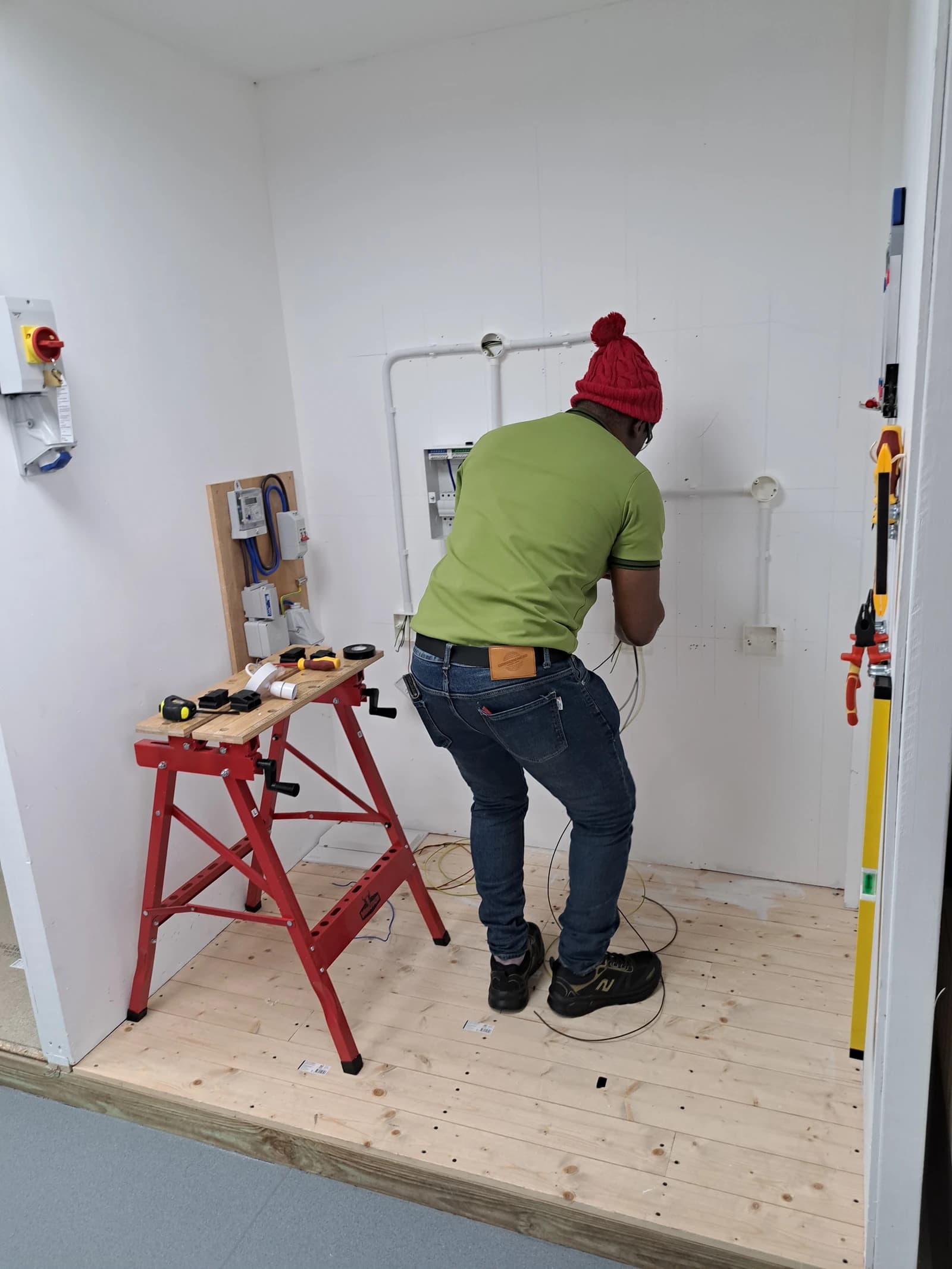
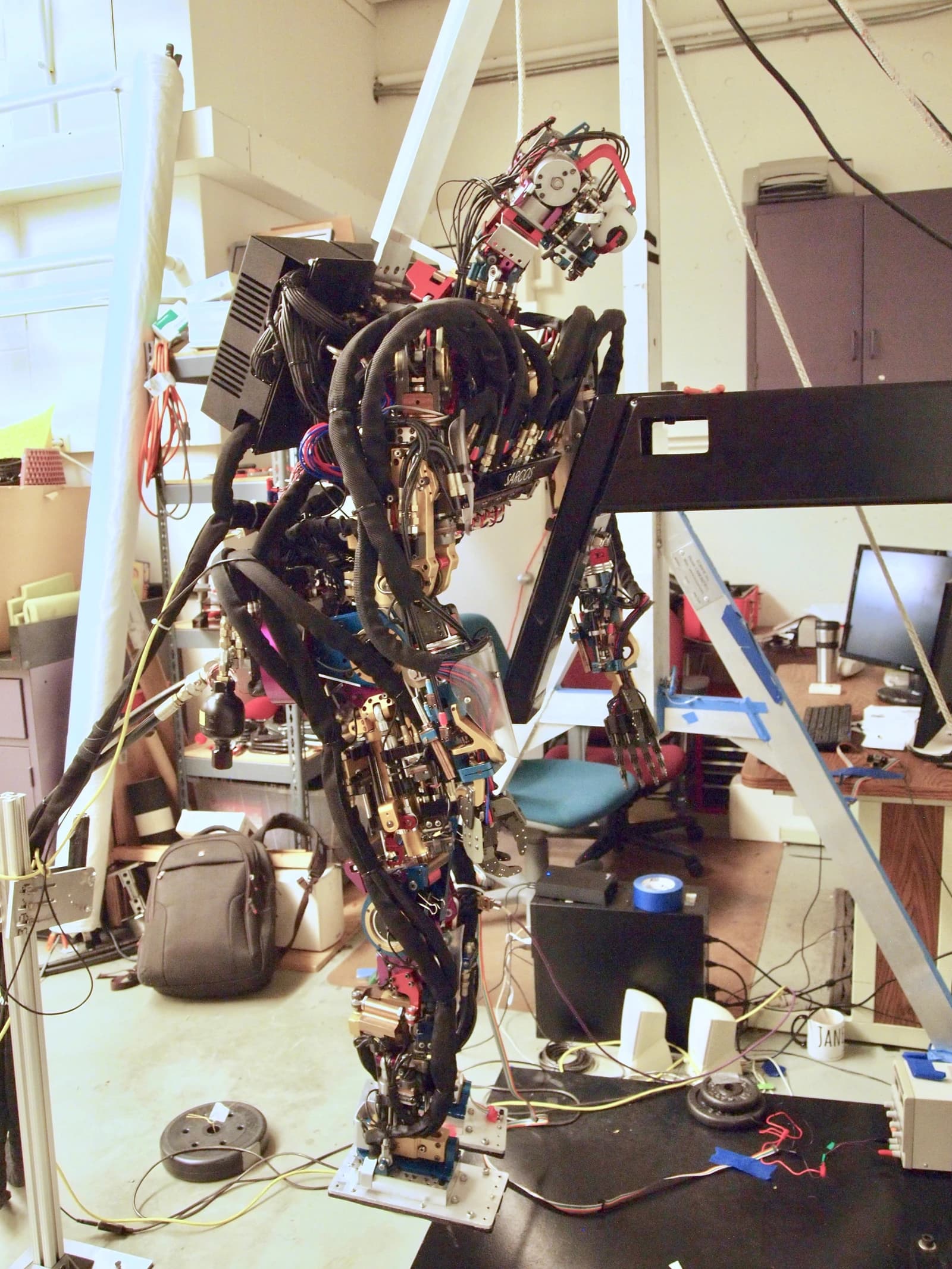
The study also points to capability gaps beyond price. Fine manipulation remains a major bottleneck — tasks such as untangling wires still challenge machines — and human preferences and regulation could further slow uptake. Boston Dynamics’ latest robotic hand for its Atlas humanoid underscores that the industry is still working on dexterity, not mass replacement.
Apollo chief economist Torsten Sløk said the research indicates that “widespread physical labor displacement will take decades,” even under aggressive assumptions. That leaves the near-term automation debate centered more on office work, where large language models pose a clearer threat than robots do to manual labor.
For markets, the key takeaway is not that robotics is overhyped, but that the timeline is long and the winners will likely be those able to turn technical progress into low-cost, scalable deployment. For workers, especially in blue-collar roles, the study suggests the labor market impact may be gradual rather than abrupt.
| Entity | Gains | Losses |
|---|---|---|
| Human blue-collar workers | ▲Longer job runway | ▼Slower wage leverage |
| Robotics developers | ▲Longer product cycle | ▼Slower mass adoption |
| Nvidia and AI hardware suppliers | ▲Long-term robotics demand | ▼Near-term hype reset |
| Employers seeking automation | ▲Future efficiency gains | ▼Immediate cost savings delayed |