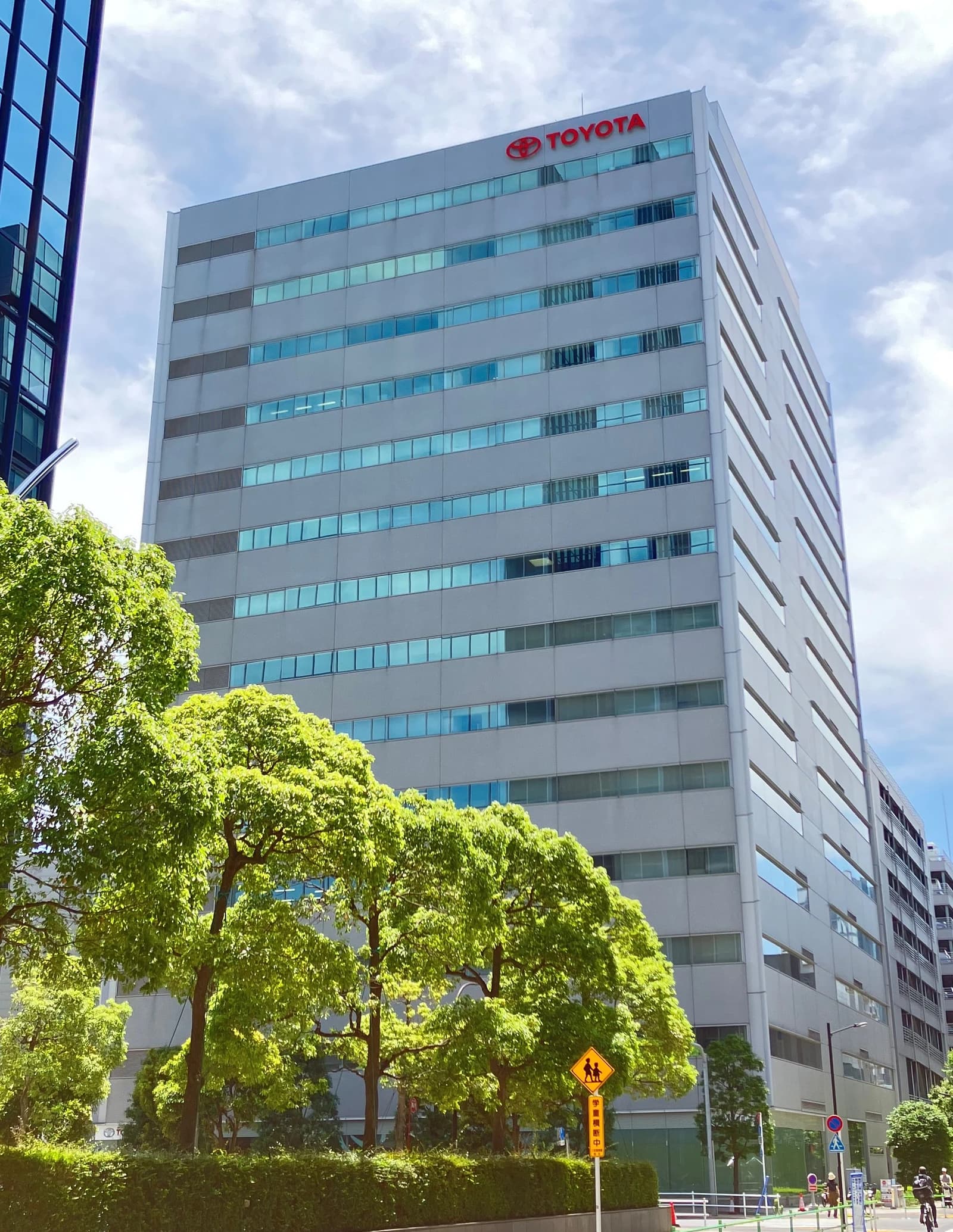
Starting in 2028, Toyota can spend about 1 trillion yen, or 5.6 billion euros a year, to accelerate automation across its factories and supplier network — and that is a big deal for an industry fighting higher costs, labor shortages and the relentless push to build vehicles more efficiently.
Toyota plans automation spending across factories
The Japanese automaker is not just adding robots for the sake of spectacle. It is laying the groundwork for a manufacturing model where machines handle more of the repetitive, physically demanding work, while people focus on oversight, quality control and higher-value tasks. That matters because the companies that produce cars most efficiently usually win over time: they protect margins, absorb shocks better and can reinvest more aggressively in the next wave of technology.
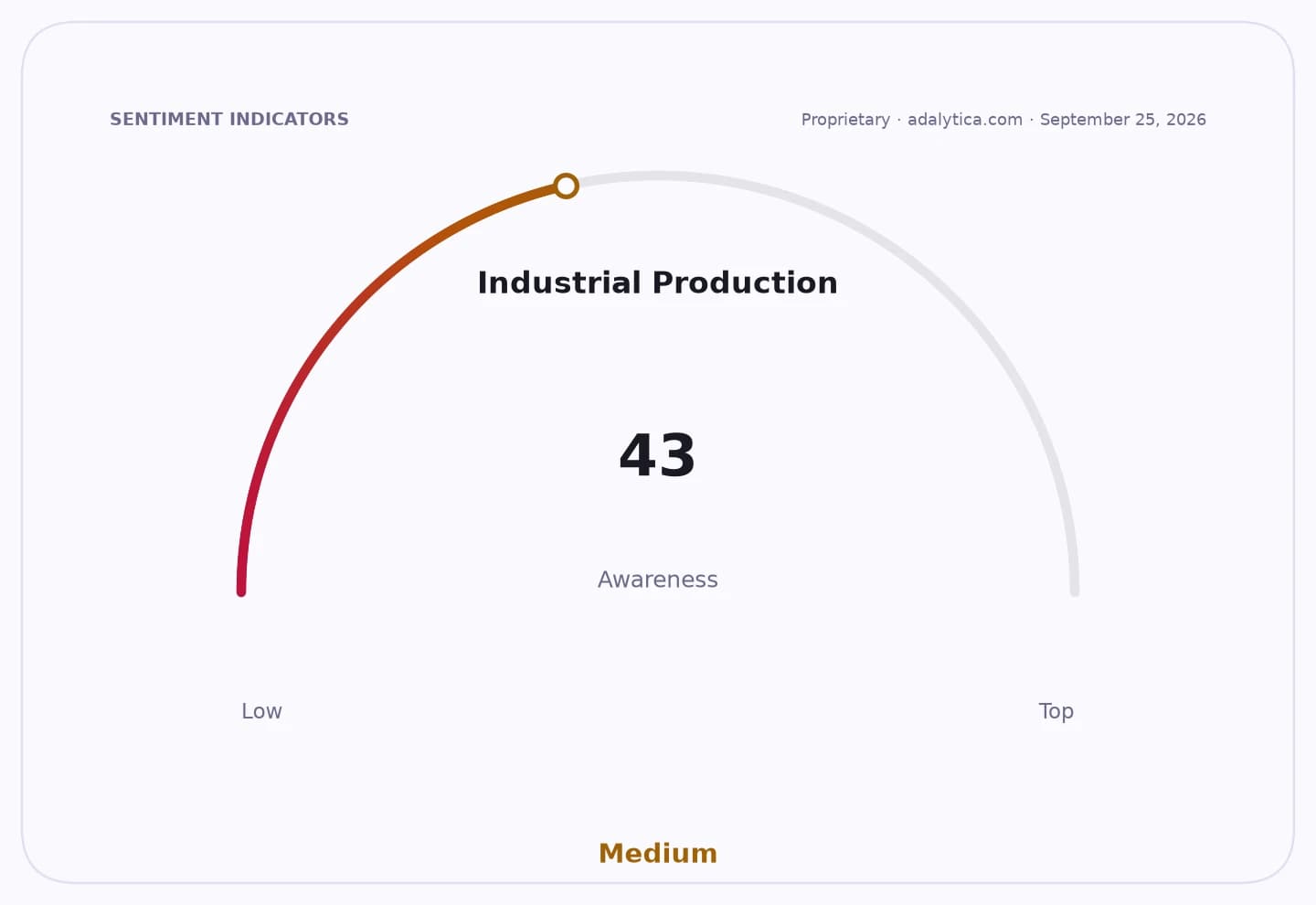
Sentiment IndicatorsⓘProprietary · adalytica.com · September 29, 2026
This is a snapshot — live sentiment, awareness and momentum for 130+ markets update continuously in the dashboard.Open AlphaPulse
Toyota’s target is striking. The company is talking about roughly 400,000 new robots in total, including about 150,000 for Toyota group companies and 250,000 for key suppliers. The spending will also help replace aging equipment, which means this is as much a modernization program as it is a labor-saving one. Toyota’s chief technology officer, Hiroki Nakajima, has said the aim is for humans and robots to work side by side, even as the ratio shifts dramatically in the factories.
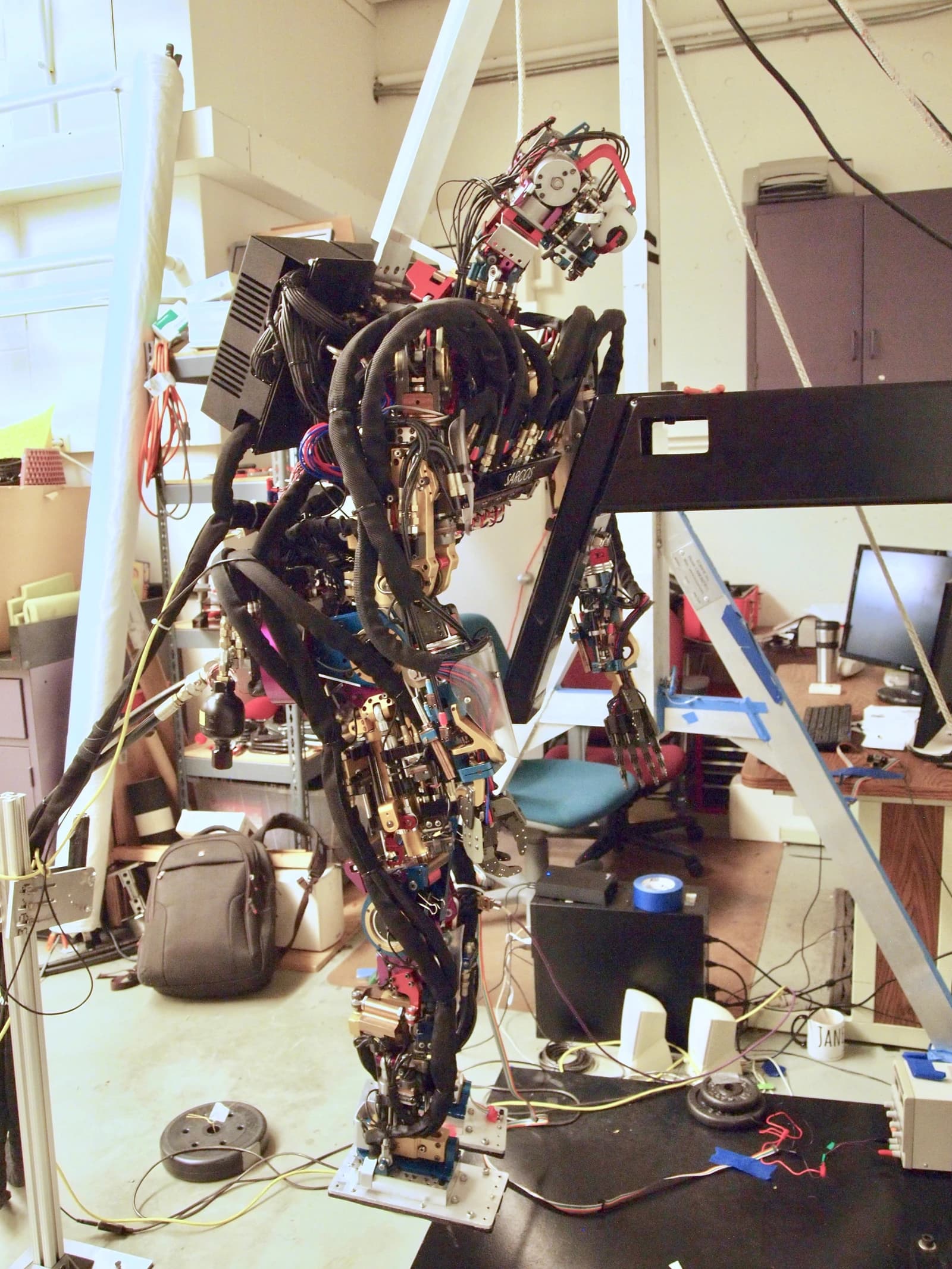
For investors, the key question is not whether humanoid robots can dance or do parkour. It is whether they can reliably move boxes, sort parts and support production lines at scale. Toyota already has seven humanoid robots from Agility Robotics working in a Canadian plant, and it is testing its own Eley robot, which uses wheels instead of legs and is designed for practical industrial tasks rather than human imitation. That more functional approach could make the technology cheaper, simpler and easier to deploy across multiple plants.
This is where Toyota’s advantage may be hardest to copy. The company has spent decades mastering production systems, supplier coordination and factory design. If it can turn that know-how into a scalable automation platform, it could lower unit costs, improve throughput and create a manufacturing edge that compounds over years, not quarters. In a sector where margins can be razor thin, even modest gains in efficiency can become powerful competitive advantages.
There are risks, of course. Automation is expensive, implementation can be messy, and labor tensions can rise when machines start replacing human work. Hyundai has already faced unrest over robot adoption, a reminder that factory transformation is not just a technical challenge but a human one. Toyota is trying to avoid the most provocative version of that story by emphasizing collaboration, but a workforce shift of this size will still alter the economics of production and the politics of the shop floor.
For long-term investors, Toyota’s plan is best understood as a bet on industrial compounding. The company is using automation to defend its manufacturing moat at a time when electric vehicles, software, supply-chain resilience and cost discipline all matter more than ever. If Toyota executes well, this could become one of the most important operational upgrades in global auto manufacturing.
Toyota investors should see this as a long-duration catalyst worth watching closely — the kind of change that can quietly improve profitability for years.
| Entity | Gains | Losses |
|---|---|---|
| Toyota | ▲Lower costs, stronger margins | ▼Higher upfront capex |
| Suppliers | ▲More automation demand | ▼Pressure to modernize fast |
| Workers | ▲Safer, higher-skill roles | ▼Routine factory jobs |
| Competitors | ▲Incentive to invest | ▼Risk of falling behind |