Robots with artificial intelligence were showcased at the European Parliament in Brussels as lawmakers and developers highlighted how automation could help offset Europe’s aging population and shrinking labor force, a shift with long-term implications for productivity, factory output and investment in the robotics supply chain.
AI Robots Displayed at European Parliament in Brussels
The display underscored how quickly AI is moving from software into physical machines. Researchers say humanoid robots could eventually take on factory tasks without major changes to existing infrastructure, while developers argue newer AI systems are improving robots’ ability to perceive their surroundings, handle objects and work alongside people in changing environments.
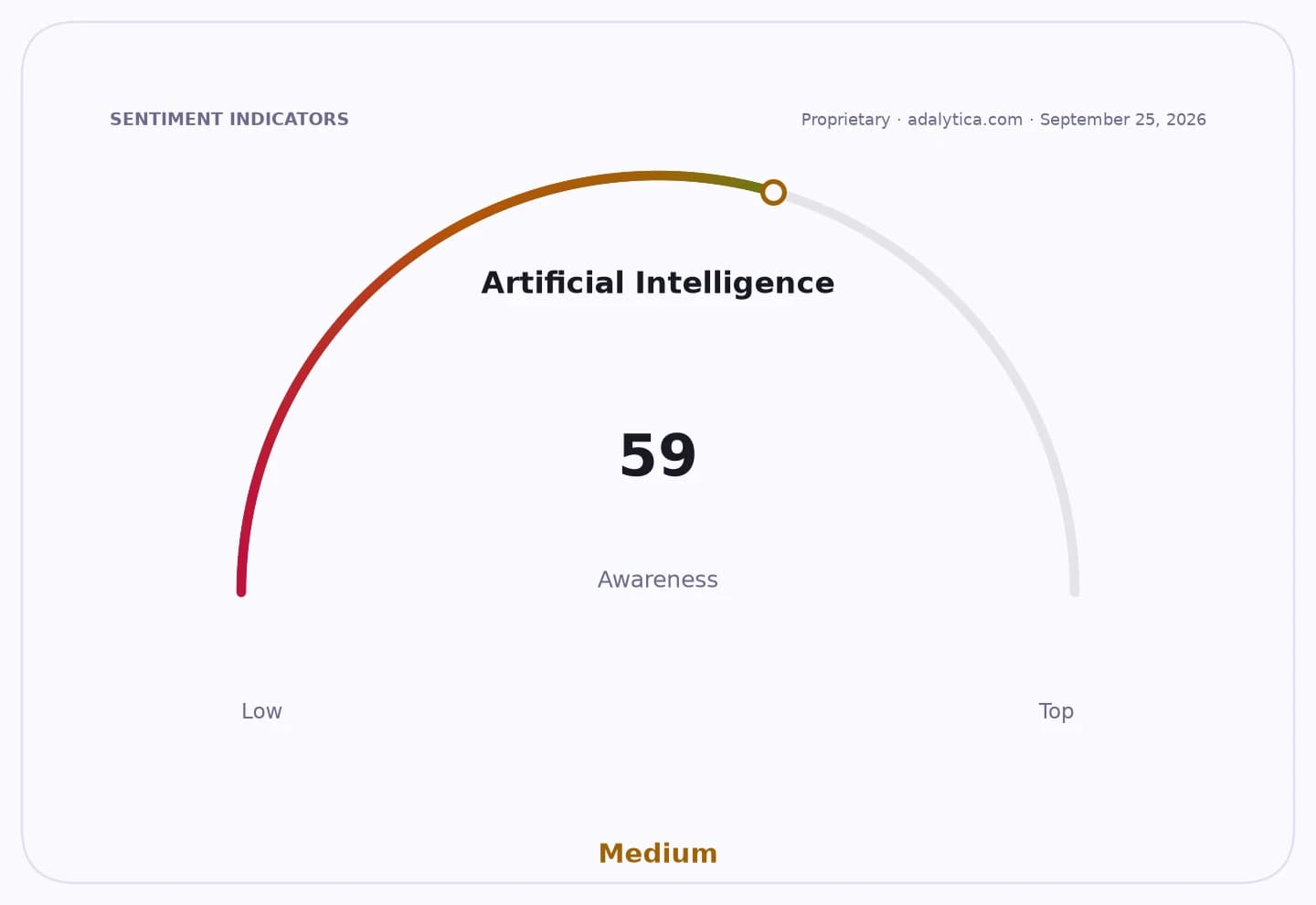
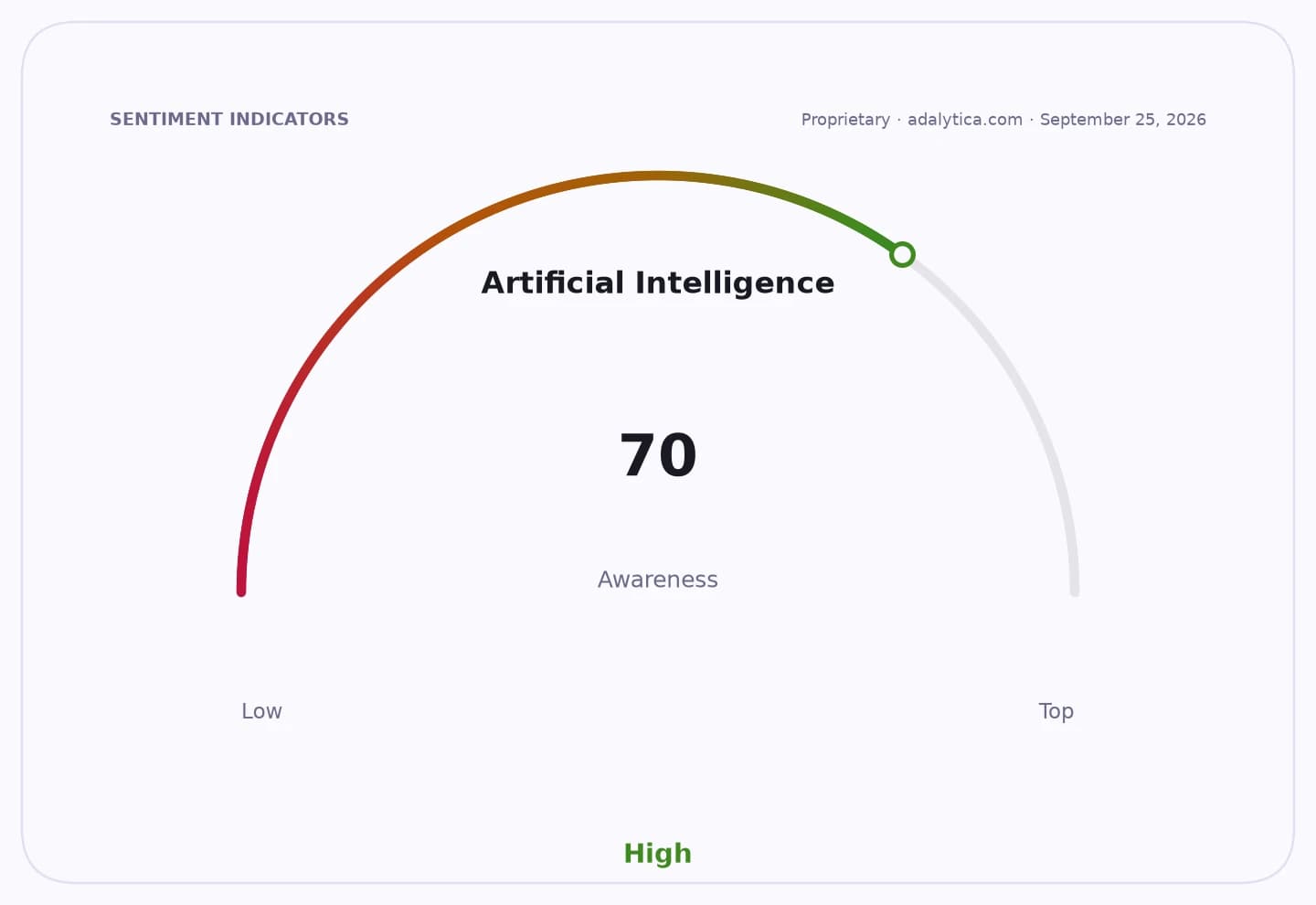
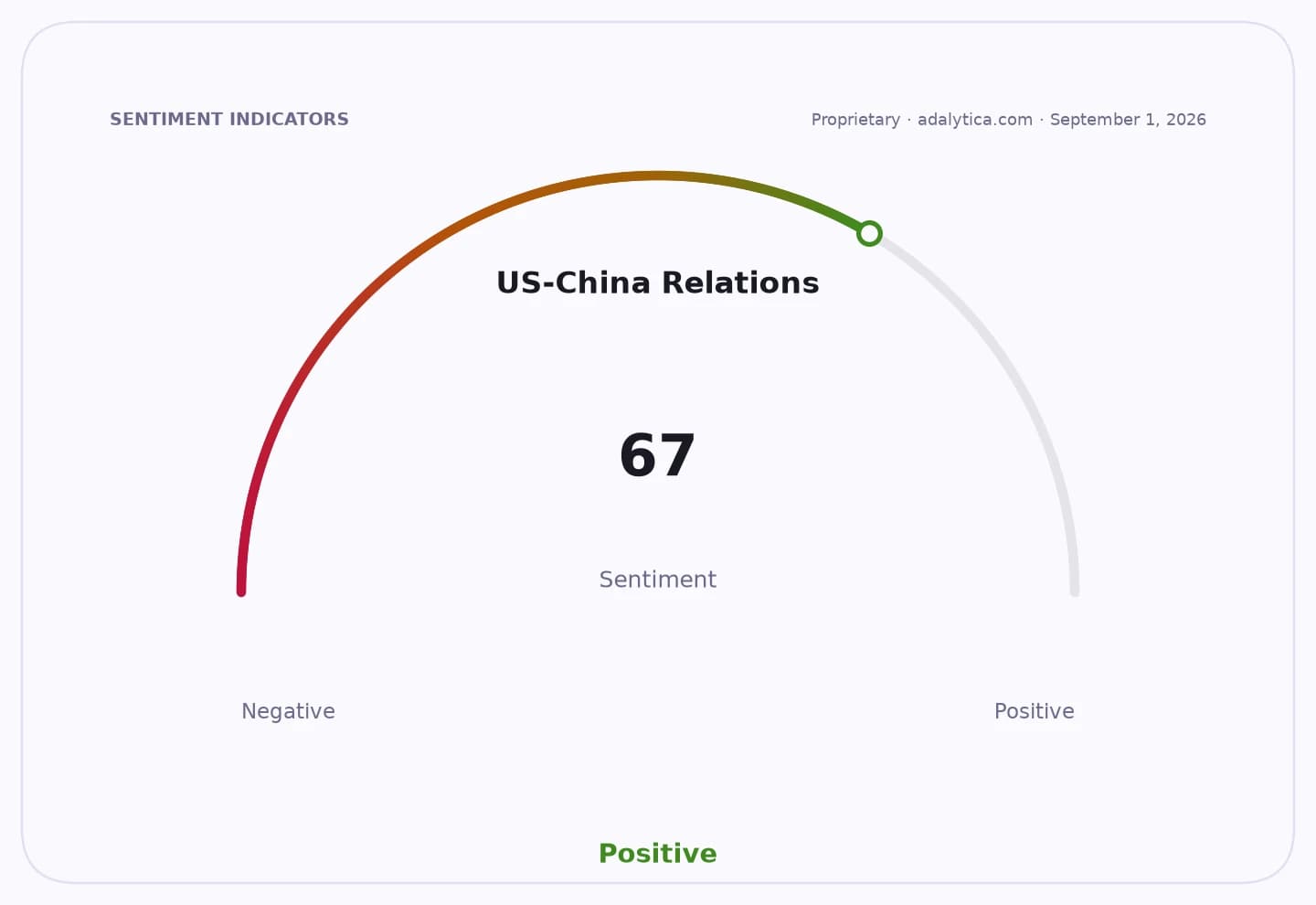
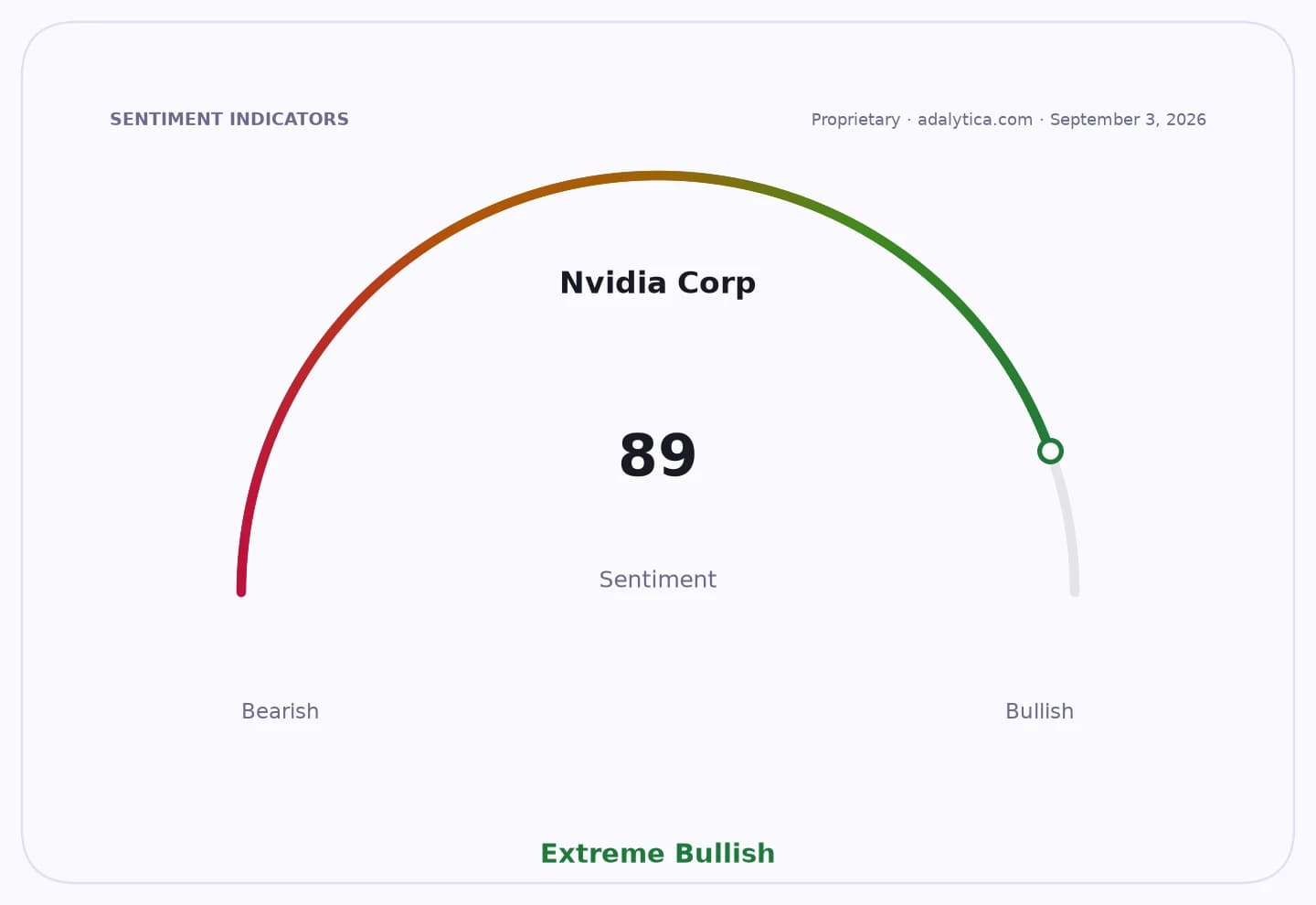
Sentiment IndicatorsⓘProprietary · adalytica.com · September 3, 2026
This is a snapshot — live sentiment, awareness and momentum for 130+ markets update continuously in the dashboard.Open AlphaPulse
For investors, the key issue is not near-term commercialization but the expanding addressable market for AI-enabled robotics. If the technology matures, it could lift demand for chips, sensors, industrial automation systems and machine-vision software, while pressuring employers in labor-intensive sectors to substitute capital for workers.
The event also points to a broader policy debate in Europe, where demographic decline is forcing governments and companies to look harder at automation as a competitiveness tool. That makes robotics not just a technology story but a labor-market and industrial-policy one, with implications for manufacturing costs, supply-chain resilience and productivity growth across the bloc.
Nvidia, Microsoft and other AI-heavy names remain closely tied to the theme because the next leg of robotics adoption depends on the same computing and model-training infrastructure driving the broader AI trade. Nvidia shares rose to $230.14, while Microsoft ended at $513.70, both reflecting continued investor interest in AI spending even as sentiment around some smaller AI names remains sharply weaker.
The upside for the sector is obvious: more robots mean more demand for the hardware and software that power them. The risk is that the technology is still experimental, meaning commercial adoption may be slower and uneven, with regulation, safety standards and cost still likely to shape the pace of deployment.
| Entity | Gains | Losses |
|---|---|---|
| AI robot makers | ▲Bigger adoption runway | ▼Slow commercialization risk |
| Chip and sensor suppliers | ▲Higher hardware demand | ▼Cyclical spending swings |
| European manufacturers | ▲Labor relief, productivity gains | ▼Higher automation capex |
| Low-wage labor | ▲— | ▼Substitution by machines |