Mercedes, Hyundai and BMW are showing that battery durability may be just as important as range in the next phase of the electric-vehicle race — and that is a problem for Tesla investors who have long treated the company as the undisputed technology leader.
Tesla Battery Health Lags Mercedes Hyundai BMW
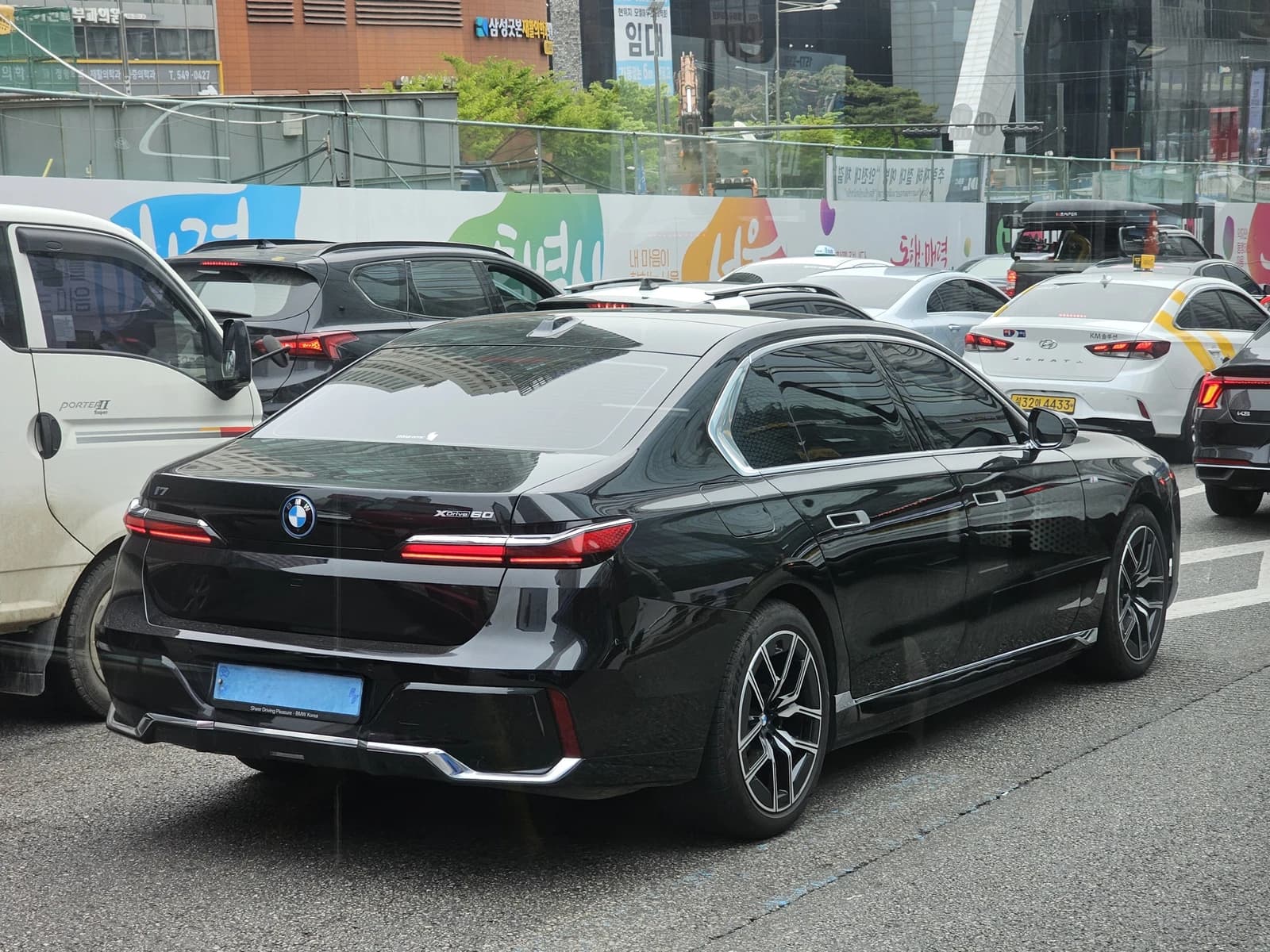
A large battery-health study pointing to stronger retained battery condition in Mercedes, Hyundai and BMW than in Tesla suggests the battleground is shifting from headline-grabbing acceleration and software features to something far more economically durable: long-term ownership value. For buyers, a battery that ages more slowly means a car that holds up better in resale and a lower risk of expensive replacement costs. For automakers, it can translate into higher residual values, stronger leasing economics and more confidence from fleet operators and used-car buyers.
Sentiment IndicatorsⓘProprietary · adalytica.com · September 6, 2026
This is a snapshot — live sentiment, awareness and momentum for 130+ markets update continuously in the dashboard.Open AlphaPulse
That matters because the EV market is entering a more disciplined era. Early adopters were willing to pay a premium for novelty, but mainstream buyers care about total cost of ownership. Battery health sits at the center of that calculation. If Mercedes, Hyundai and BMW are outperforming Tesla on degradation, they could gain an edge with customers who plan to keep their cars for years, not months. That is especially important as subsidies fade in many markets and consumers become more price sensitive.
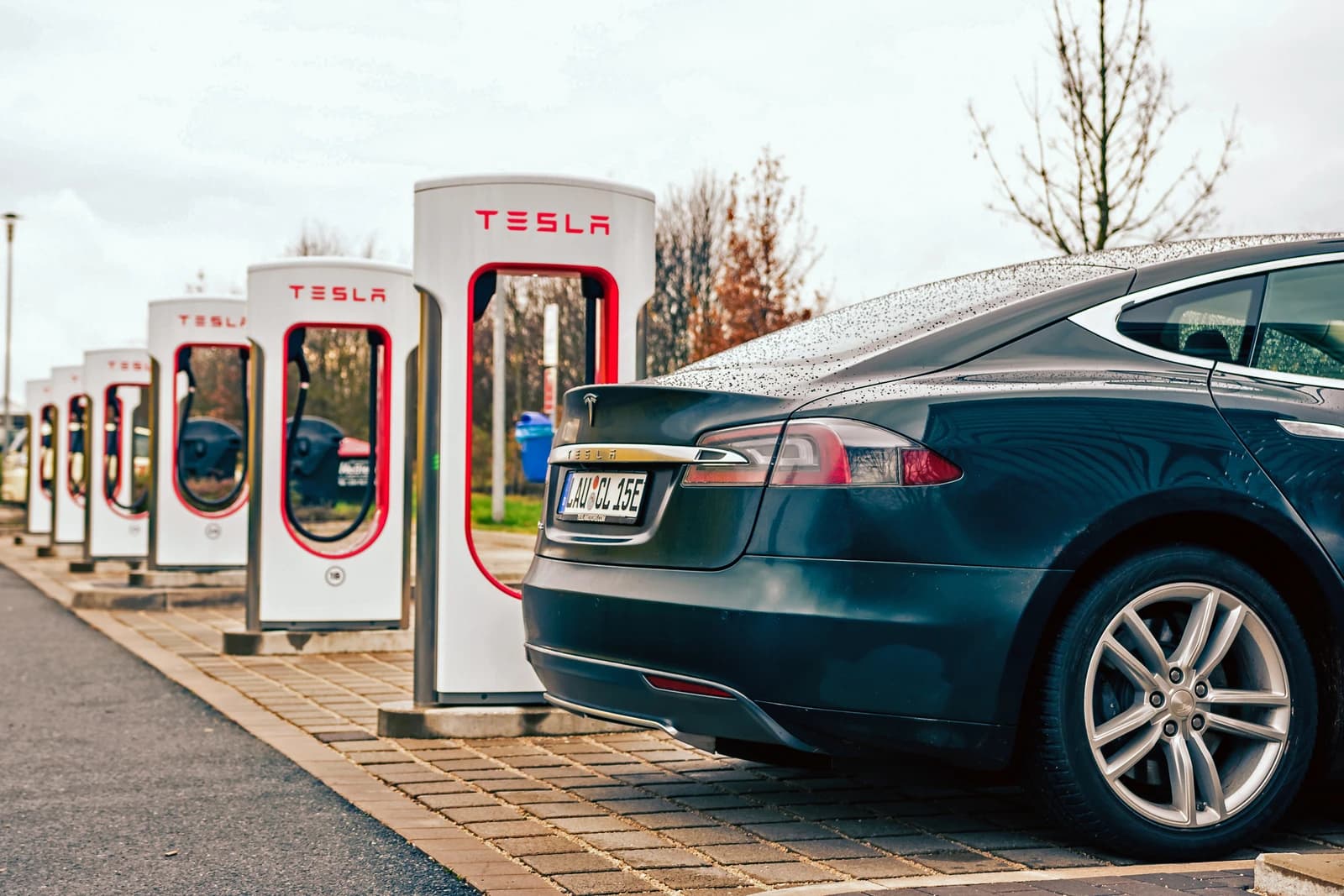
Tesla still has powerful advantages, including scale, software, charging infrastructure and a brand that remains one of the most recognizable in the auto industry. Its shares have also been trading with plenty of technical resilience, with the stock recently hovering near its 50-day moving average even after pulling back from higher levels, while standard RSI and MACD readings suggest the name is not in a deep oversold condition. But the battery-health narrative is a reminder that leadership in EVs is not permanent. The industry is maturing, and quality metrics are becoming a bigger part of the investment case than hype.
The broader sector backdrop reinforces that point. Hyundai is preparing to push further into affordable EVs, while rivals are working on faster charging and better end-of-life battery management. Those are the kinds of operational improvements that matter over a 5- to 10-year horizon. If consumers begin to view battery longevity as a defining feature, the winners may be the companies that make EV ownership boringly reliable rather than merely exciting.
For investors, the takeaway is simple: don’t assume Tesla will dominate every part of the EV story forever. Battery health is a real competitive factor, and over time it can influence margins, resale values and customer loyalty. Tesla remains a company worth owning for many long-term portfolios, but Mercedes, Hyundai and BMW deserve a closer look as the market rewards durability, not just disruption.
| Entity | Gains | Losses |
|---|---|---|
| Mercedes | ▲Better residual values | ▼Tesla's tech halo |
| Hyundai | ▲Stronger mainstream appeal | ▼Short-term EV skeptics |
| BMW | ▲Premium durability story | ▼Tesla brand premium |
| Tesla | ▲Scale and charging network | ▼Battery-health narrative |