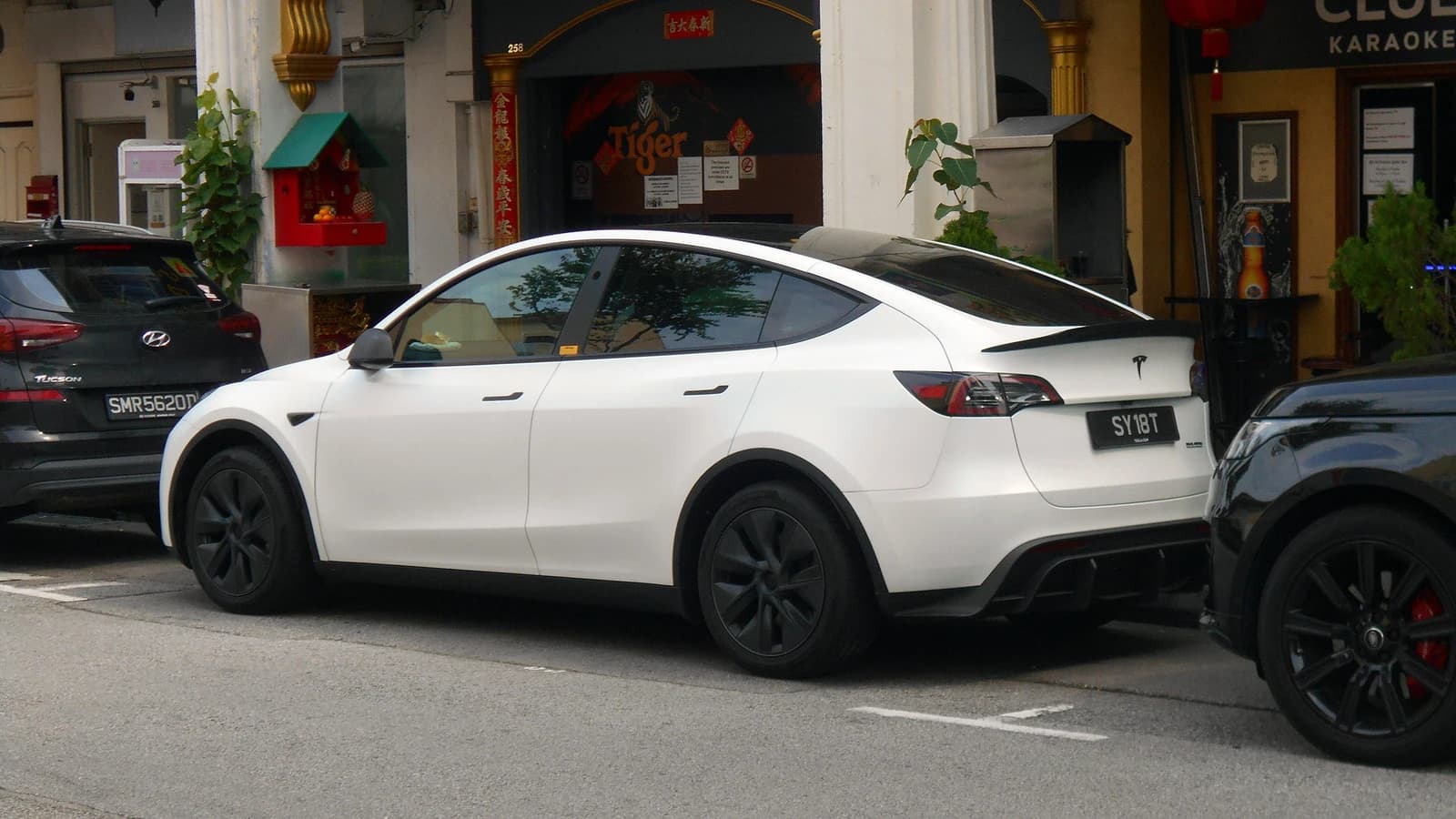
Tesla’s remaining Bitcoin stash is still worth less than the $1.5 billion it first put into the token in 2021, underscoring how one of corporate America’s most famous crypto wagers has turned into a long-term holding rather than a headline-making trade.
Tesla Bitcoin stash remains below 2021 purchase cost

The electric-vehicle maker still owns 11,509 bitcoin, valued at about $902 million at roughly $78,700 a coin. That is well below the original cost basis even after Bitcoin’s recovery from the 2022 crypto bear market, and it highlights how sharply Tesla’s balance-sheet exposure has been diluted since the company sold about 75% of its holdings in the second quarter of 2022.
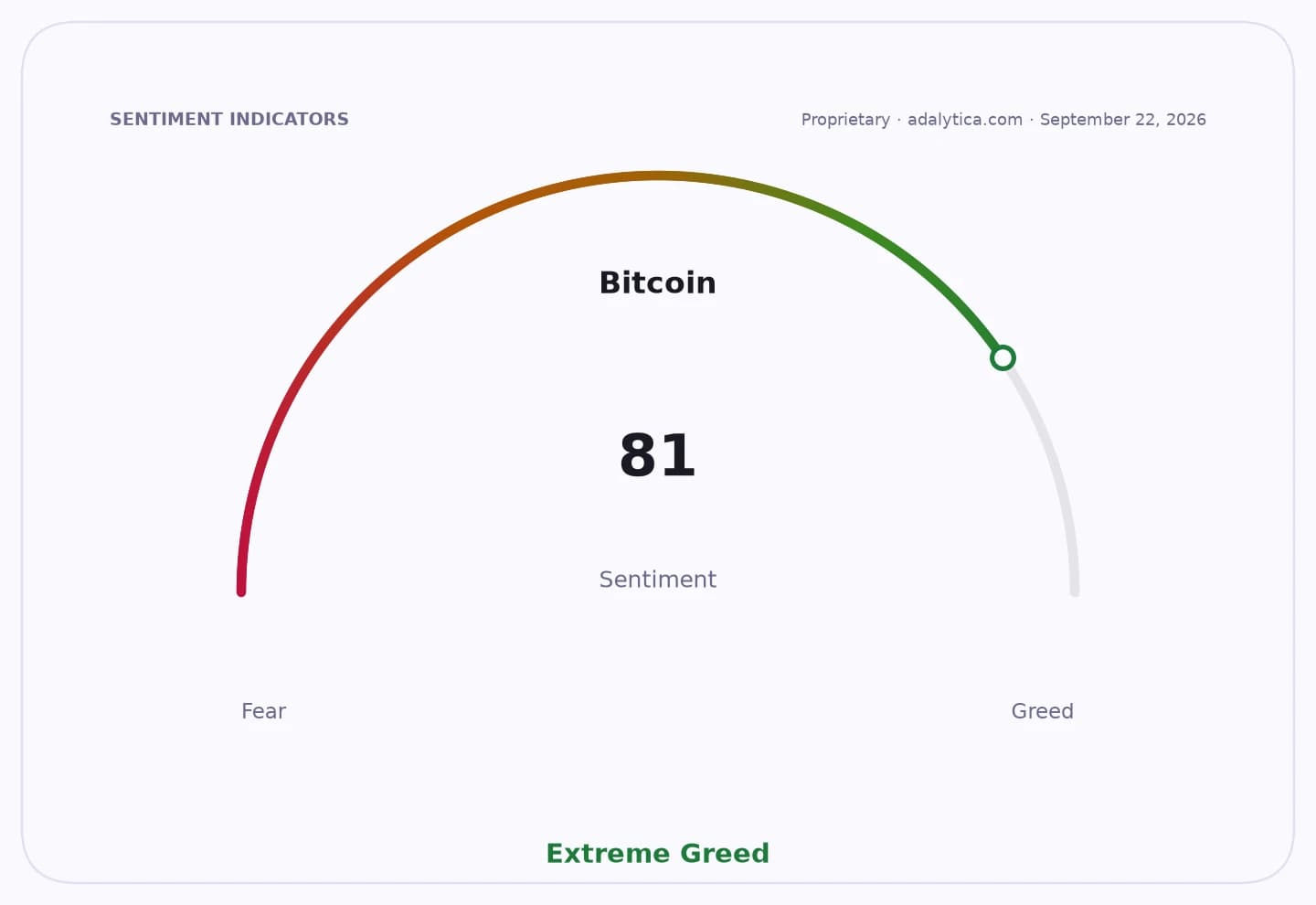
Sentiment IndicatorsⓘProprietary · adalytica.com · September 9, 2026
This is a snapshot — live sentiment, awareness and momentum for 130+ markets update continuously in the dashboard.Open AlphaPulse
Tesla was among the first blue-chip companies to buy Bitcoin in size, disclosing the purchase in February 2021 as a vote of confidence in the cryptocurrency as a treasury reserve asset. The position briefly swelled above $2.5 billion on paper as Bitcoin rallied, but Tesla later said it sold most of its holdings to maximize cash amid uncertainty in China, not because it had abandoned the asset.
That distinction matters for investors because Tesla is no longer a marginal buyer helping shape crypto market demand. Instead, it is a passive holder of a still-material position that rises and falls with Bitcoin, but no longer meaningfully changes the company’s financial trajectory. Even at nearly $1 billion, the stake is small relative to Tesla’s market value and operating business, yet it remains one of the clearest corporate signals on how management thinks about digital assets.
The market backdrop has also shifted. Bitcoin has recently traded around $78,700, while technical indicators such as the 50-day and 200-day moving averages show the token still working through a volatile recovery. Adalytica’s Bitcoin Fear & Greed Index is in “Extreme Fear,” suggesting sentiment remains fragile despite the coin’s far higher price than during the 2022 rout. For Tesla shareholders, that means the crypto position is unlikely to drive earnings, but it can still affect perceptions of capital discipline and risk appetite.
The bullish case is that Tesla has effectively locked in a strategic optionality bet: if Bitcoin becomes more widely accepted as a reserve asset, the remaining position could continue to appreciate without requiring fresh capital. The bearish case is that the holding is a legacy position from an earlier era, and any further sale would be read as a quiet admission that the company sees little reason to keep tying capital to a volatile non-operating asset.
For now, the bigger story is not whether Tesla will buy more Bitcoin. It is whether the company keeps this chapter open as a symbolic balance-sheet hedge or finally exits one of the most closely watched corporate crypto experiments on Wall Street.
| Entity | Gains | Losses |
|---|---|---|
| Tesla | ▲Treasury optionality | ▼Capital tied to volatility |
| Bitcoin holders | ▲Validation from blue-chip ownership | ▼Reminder of price swings |
| Long-term TSLA investors | ▲Limited upside from crypto rebound | ▼Ongoing headline risk |
| Short-term crypto traders | ▲Corporate interest in BTC | ▼Less likelihood of Tesla buying more |