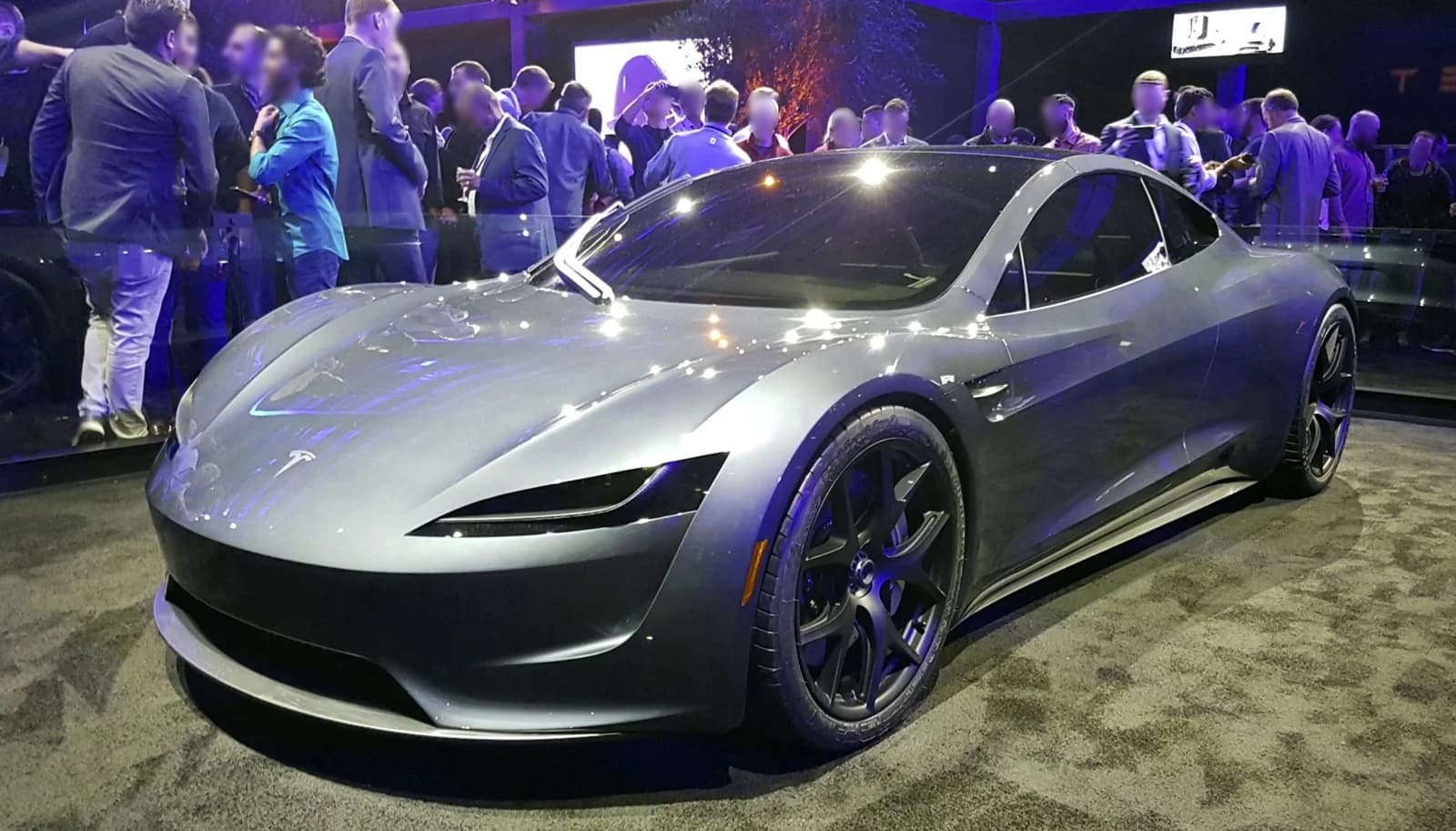
Tesla has built its first Cybertruck powered by 4680 battery cells made with lithium refined entirely at its own Texas facility, a vertical-integration milestone that could help protect margins and make the company’s battery supply chain more resilient over the long term.
Tesla Cybertruck Uses In-House Texas Lithium

For investors, this matters because battery materials are one of the biggest cost and supply variables in electric vehicles. Lithium prices have swung violently in recent years, and Tesla says bringing refining in-house reduces exposure to those swings, cuts logistics risk and lowers reagent costs. That is exactly the kind of structural improvement that can show up over years, not just quarters, in a business where scale and manufacturing discipline often determine who earns the best returns.
Sentiment IndicatorsⓘProprietary · adalytica.com · September 30, 2026
This is a snapshot — live sentiment, awareness and momentum for 130+ markets update continuously in the dashboard.Open AlphaPulse
The first Cybertruck with the company’s own Gulf Coast lithium was assembled at Gigafactory Texas on Sept. 22, after Tesla said the refinery reached full operational capacity in July. The company says the Robstown plant uses an acid-free alkaline leaching process, which it claims trims carbon emissions by about 30% and reduces reagent costs by 60%, while turning the byproduct into material that can be sold for construction use.
This is more than a technical achievement. Tesla is trying to own more of the battery stack at a time when demand for lithium remains tied to EVs and energy storage, and when supply chains are still exposed to geopolitics, shipping bottlenecks and commodity price shocks. The move also helps explain why Tesla has been willing to spend heavily on manufacturing infrastructure: the payoff is not just more vehicles, but potentially more predictable economics.
That said, the biggest near-term issue for Tesla is not production capability — it is delivery capacity. The Austin plant has already pushed cumulative Cybertruck production past 100,000 units, and Tesla is still telling new buyers to expect April 2027 delivery on the dual-motor version. In other words, demand remains ahead of supply, which is usually a good problem to have, but also a reminder that execution across logistics, distribution and service still matters.
For long-term investors, the key takeaway is that Tesla is building something more durable than a single product cycle. If the company can keep refining more of its own materials, feed its 4680 cell lines reliably and ramp output without sacrificing margins, it strengthens the moat around its EV and energy business. That does not make the stock cheap or risk-free, but it does add another reason Tesla remains one of the most interesting industrial compounding stories in the market. Worth watching, and for patient investors, worth keeping on the watchlist.
| Entity | Gains | Losses |
|---|---|---|
| Tesla | ▲Lower input volatility | ▼Upfront capital intensity |
| Tesla shareholders | ▲Better margin visibility | ▼Near-term execution risk |
| Lithium suppliers | ▲Steady demand growth | ▼Less pricing power |
| EV competitors | ▲Supply-chain lessons | ▼Tesla’s cost advantage |