Greek Prime Minister Kyriakos Mitsotakis’ visit to Tesla’s headquarters lands at a moment when the electric-vehicle maker is pressing deeper into AI, advanced manufacturing and capital-intensive expansion, making the meeting as much about industrial policy and investment signaling as diplomacy.
Tesla Greece Visit Comes Amid AI Spending Push
For Greece, courting a company with Tesla’s scale matters because the country is trying to position itself as a destination for high-value foreign investment beyond tourism. The government has been pushing to broaden its economic base, and a meeting with Tesla serves that narrative by linking Athens to sectors that carry higher productivity and export potential than the traditional Mediterranean growth engine. It also fits a wider European effort to attract strategic technology spending at a time when the region is competing with the US and Asia for manufacturing capacity, software talent and battery-related supply chains.
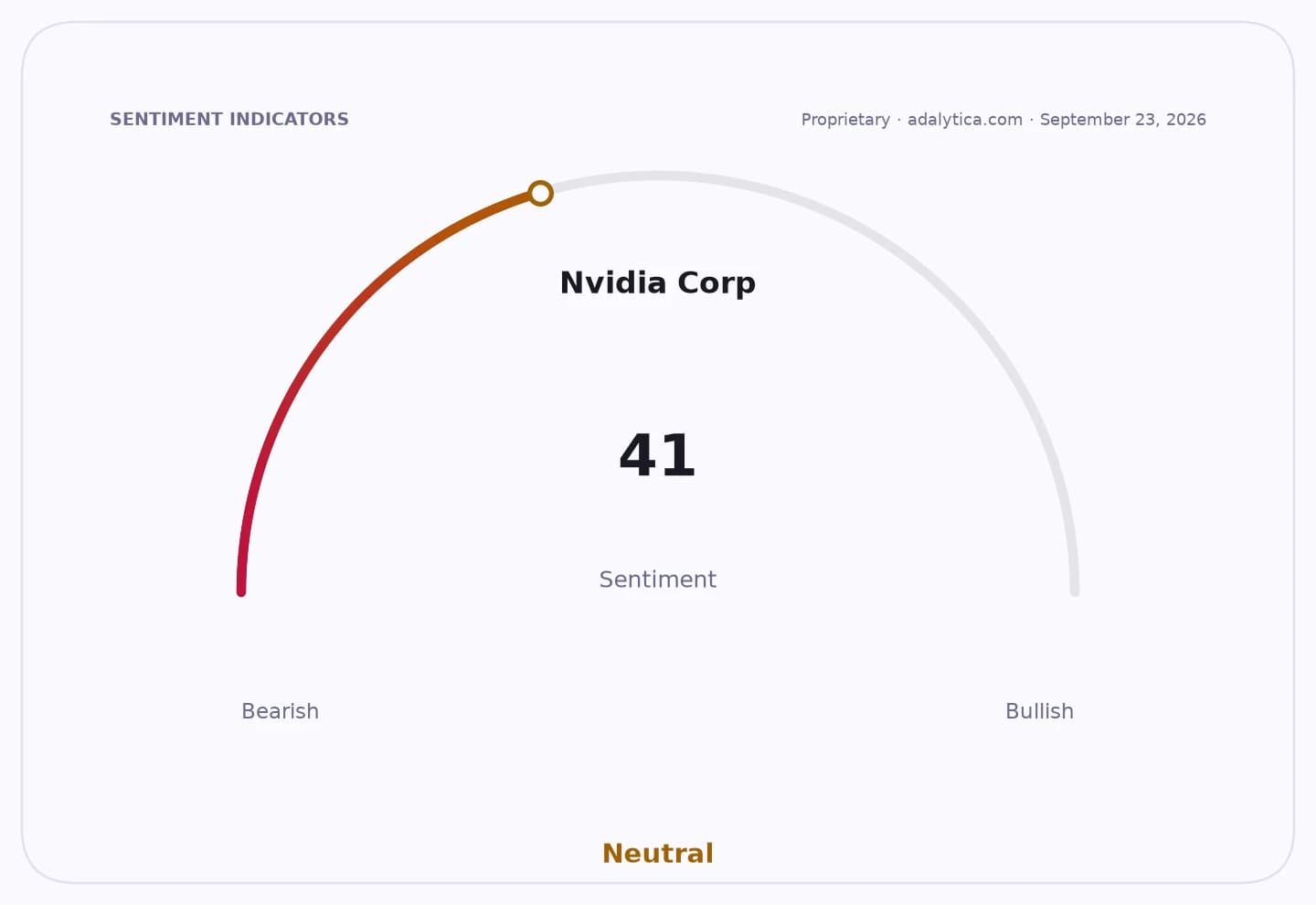
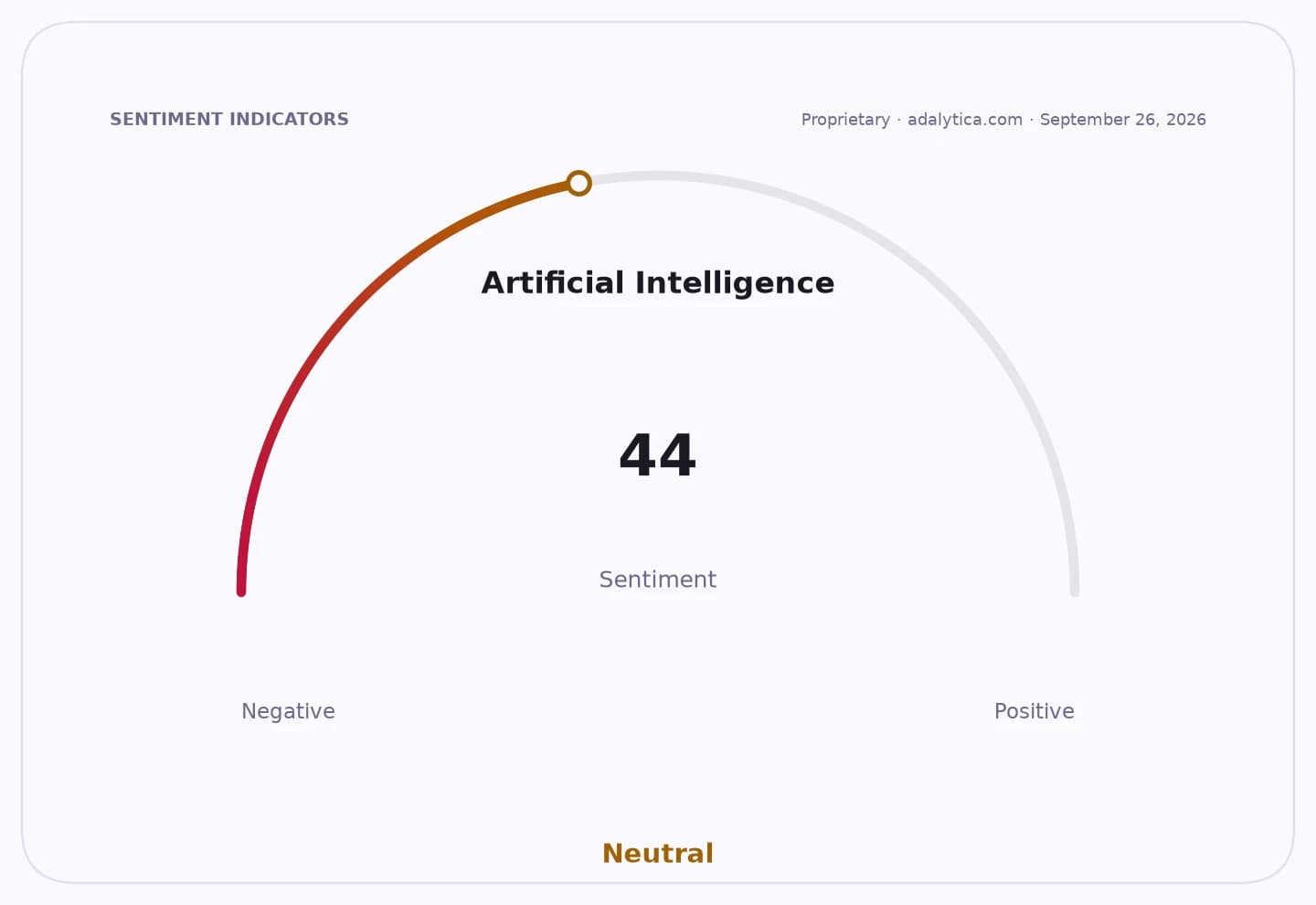
Sentiment IndicatorsⓘProprietary · adalytica.com · September 26, 2026
This is a snapshot — live sentiment, awareness and momentum for 130+ markets update continuously in the dashboard.Open AlphaPulse
For Tesla, the timing is equally significant. The company has told regulators it expects capital expenditures to exceed $25 billion in 2026, driven by AI initiatives, compute infrastructure, data centers and the ramp of manufacturing and R&D lines. That is a reminder that Tesla is no longer being valued purely as an automaker. Investors are instead weighing a business model that now depends on heavy upfront spending, execution on autonomy and robotics, and the ability to sustain margins while funding expansion on several continents.
That tension is visible in the stock. Tesla closed at $372.11 on Friday, above its 50-day moving average of about $348 but still below its 200-day average near $396, a sign that the shares have recovered from earlier weakness but have not fully regained long-term trend support. The recent reading on the 14-day relative strength index was 63.9, which points to firm momentum without the extreme conditions seen earlier in the year. Adalytica’s Tesla earnings sentiment gauge is also elevated at 85, while awareness remains low at 15, suggesting a market that is still highly engaged but not broadly positioned.
The broader investment story is that Tesla continues to straddle two very different narratives. The bull case rests on its ability to turn AI spending into a durable earnings engine through autonomy, robotics and software. The bear case is that the company is asking investors to finance a sprawling capital program while facing a more mature EV market, pricing pressure and the risk that returns on those investments take longer than expected. A visit by Greece’s leader will not change those fundamentals, but it does reinforce Tesla’s status as a strategic industrial player whose reach now extends well beyond car sales.
For investors, the key question is whether Tesla can convert its scale and technological ambition into operating leverage fast enough to justify the spending cycle. For Greece, the meeting is a bid to show that it can compete for exactly the kind of technology-led foreign direct investment that reshapes economies over time. The value of the visit will ultimately be measured less by protocol than by whether it opens the door to concrete projects, supply-chain links or research commitments.
| Entity | Gains | Losses |
|---|---|---|
| Greece government | ▲Investment credibility | ▼Reliance on tourism |
| Tesla | ▲Policy goodwill | ▼Short-term capital strain |
| Investors bullish on AI | ▲Strategic growth story | ▼Near-term valuation discipline |
| EV skeptics / shorts | ▲Proof of execution still pending | ▼Momentum in Tesla shares |