Tete is trying to rewrite its investment story before global coal demand does it for them.
Tete province pushes investment beyond coal

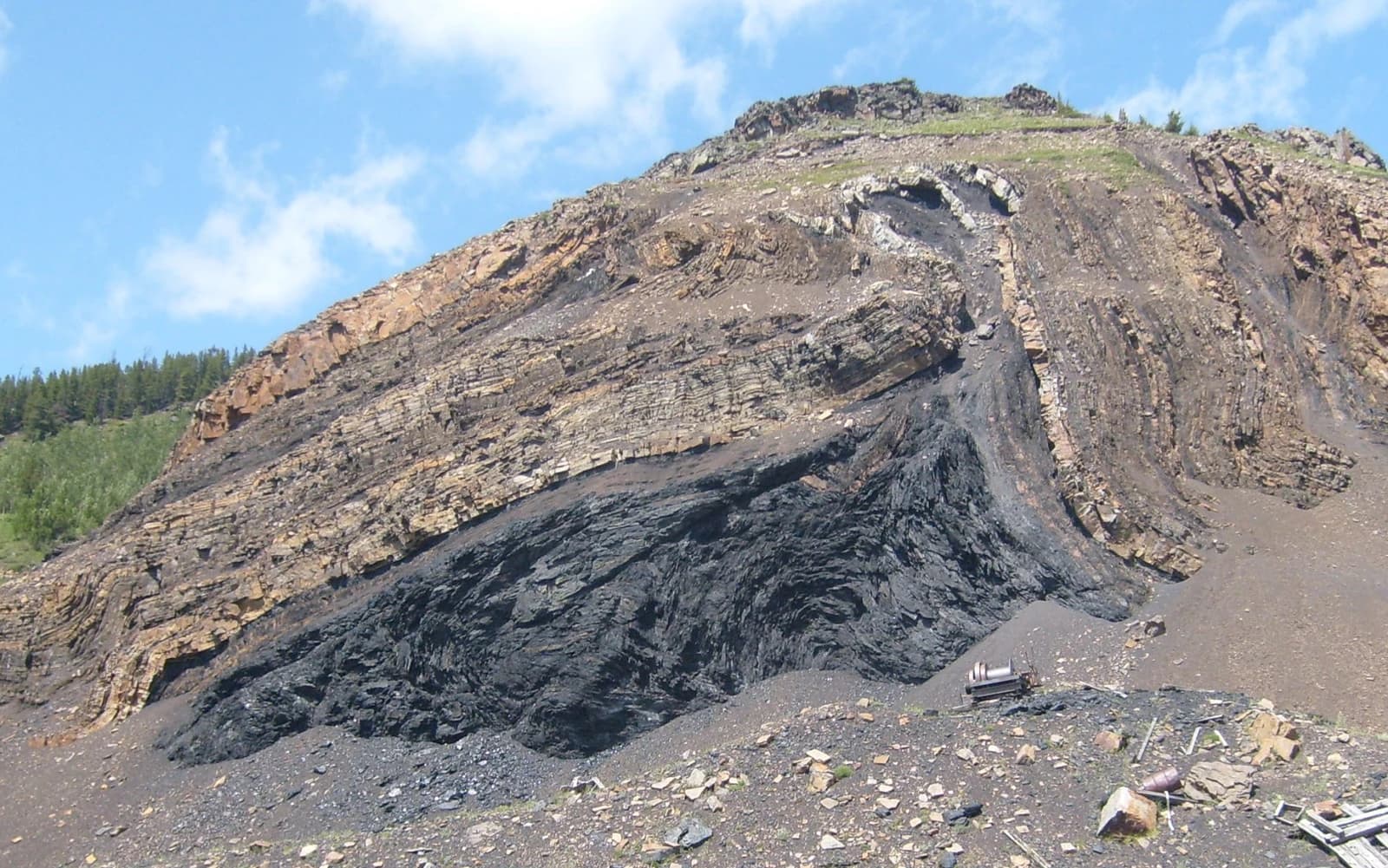
The southern Mozambican province, long identified with coal mines and export rails, is now pushing a broader plan to turn mineral wealth, agriculture, tourism and power projects into local jobs, businesses and long-term value. That matters because resource-rich regions often ship out raw materials while leaving too little behind at home. Tete’s pitch is that the next phase of growth should be measured not just by what is dug out of the ground, but by how much of the supply chain stays in Mozambique.
Governor Domingos Viola used the FACIM trade fair in Maputo to press that case, arguing that Tete must move beyond its image as a coal province and open more areas to investment. His message is aimed as much at Mozambican companies as at foreign miners: if the province is to capture more of the value created by extraction, local firms need to be ready to supply goods, services, logistics and other support businesses around the mines.
That is the economically important shift. In mining provinces, the biggest gains often come outside the pit — in transport, maintenance, catering, equipment supply, construction and professional services. If Tete can deepen local participation, more profits, wages and tax receipts can circulate in the provincial economy instead of leaking out to bigger hubs or overseas contractors. For investors, that creates a wider set of opportunities than coal alone: suppliers, agribusinesses, hospitality groups, infrastructure builders and power developers could all benefit if the investment agenda gains traction.
Viola also tied the diversification push to local-content rules and a review of mining legislation, a reminder that policy will matter as much as geology. Stronger local participation requirements can be a tailwind for domestic entrepreneurs, but only if they have the technical and financial capacity to compete. That is why Tete is urging the national private sector to scale up rather than waiting for foreign operators to carry the economy.
Agriculture is the other big leg of the strategy. The province wants to move from scattered production toward a more commercial model, with separate roles for farming, logistics, processing and marketing. That kind of specialization is what turns subsistence output into a value chain, and it is often where the most durable employment is created.
Tourism, meanwhile, gives the story a broader economic base. The Zambezi River, Cahora Bassa reservoir and nearby Magoé National Park give Tete assets that have been underused for years. If developed well, they could support river tourism, lodging, restaurants and transport services — small businesses with the power to spread income more widely than a single mine can.
The most concrete sign that Tete wants to attract capital, not just talk about it, is the Tete International Investment Conference set for Oct. 8-10, 2026. The province plans to use it to present projects in energy, mining, agriculture, tourism, infrastructure, industry and services, with a particular focus on financing and strategic partnerships. For long-term investors, that is the real test: whether the conference produces bankable projects and local business participation, or simply another round of promises.
Energy could be the province’s strongest anchor. Cahora Bassa already gives Tete strategic weight, and the proposed Mphanda Nkuwa hydropower project could deepen that role by supporting industrialization and broader power supply. In resource economies, reliable electricity is often what turns a mining region into a manufacturing and services base.
For investors, the takeaway is straightforward: Tete is no longer trying to sell coal alone, but a multi-sector growth thesis built around infrastructure, power, local content and secondary industries. That is harder to execute than mining, but it is also how a province builds resilience. If the plan succeeds, Tete could become a far more interesting place to do business over the next decade. Worth watching for patient, long-term investors.
| Entity | Gains | Losses |
|---|---|---|
| Tete province | ▲More diversified growth | ▼Coal-only identity |
| Mozambican SMEs | ▲New supply-chain contracts | ▼Foreign-only sourcing |
| Mining companies | ▲Clearer local investment pipeline | ▼Higher local-content pressure |
| Local communities | ▲Jobs and retained value | ▼Slow policy execution |