Thailand's central bank has moved to formally open the door to a baht-linked stablecoin, a policy shift that could eventually bring blockchain-based payments and digital-asset settlement into the mainstream, while keeping the new market tightly ring-fenced.
Thailand central bank opens door to baht stablecoin
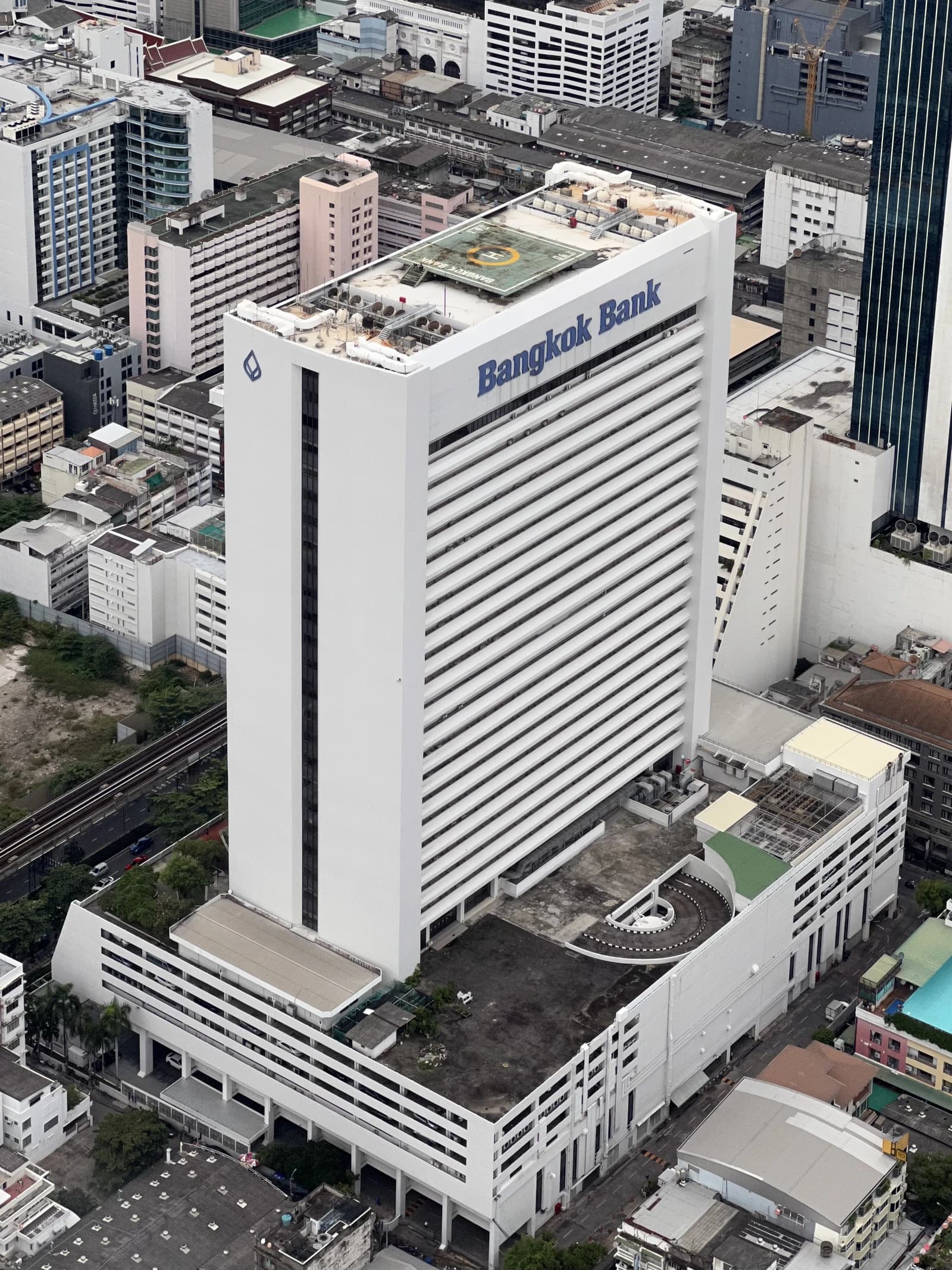
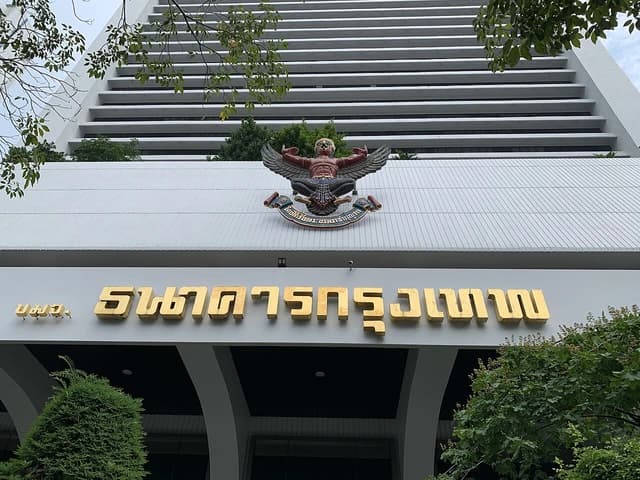
The Bank of Thailand has launched a public hearing on rules for a THB stablecoin that could be used for payments, transfers and settlement of digital assets, marking one of the clearest signals yet that the regulator is willing to let private issuers build on top of the baht rather than stand outside the banking system. But the proposal is deliberately conservative: issuers would need full 100% cash backing, 1-for-1 redemption within one business day, daily disclosure of reserves and a ban on paying interest or yield.
Sentiment Indicators
For investors, the significance is not the stablecoin itself but the framework the central bank is drawing around it. Thailand already has a fast domestic payments rail in PromptPay, so a baht stablecoin will need to prove it can do something that existing systems cannot — such as round-the-clock settlement on blockchain rails, atomic payment-and-delivery for tokenized assets, or more efficient cross-platform transfer of digital assets. That makes the issue less about retail payments hype and more about whether Thailand can create a regulated on-chain settlement layer for capital markets and crypto trading.
The Bank of Thailand is also limiting the number of issuers in the first phase, while leaving wallet providers open to competition if they meet licensing standards. That structure suggests policymakers want to prevent liquidity fragmentation and systemic risk, but still encourage private-sector innovation around custody, user experience and merchant adoption. In practice, it could favor larger financial and crypto infrastructure players with the balance sheet, compliance systems and banking relationships to get licensed early.
The restrictions are notable. Wallets would have to verify both users and merchants, transfers would only be allowed between KYC-compliant wallets, and issuers would need the ability to freeze, seize or destroy coins tied to illegal activity. The proposal would also limit bridging or wrapping tokens outside the regulatory perimeter, and wallet providers would be barred from connecting with overseas exchanges outside Securities and Exchange Commission oversight. That makes the policy far closer to a supervised payments instrument than to the open stablecoin model seen in offshore crypto markets.
The move comes as regulators globally tighten their grip on stablecoins and their economics. Canada has opened consultations on draft rules that keep a ban on yield-bearing stablecoin products, echoing the direction of travel in the U.S. and elsewhere. Thailand's approach fits that pattern: stablecoins may be tolerated as payment infrastructure, but not as quasi-deposit products competing directly with banks for savings.
The broader market backdrop underscores why regulators are acting cautiously. Bitcoin, often treated as a bellwether for crypto risk appetite, is trading around 35.77 after recovering from a sharp midyear selloff, but sentiment remains weak: Adalytica's Bitcoin Fear & Greed Index shows extreme fear at 10, while awareness is also in extreme fear territory. That subdued backdrop suggests traders are still focused on balance-sheet risk, liquidity and regulatory clarity rather than the next speculative leg higher.
At the same time, Thai crypto finance is becoming more institutional. Liberix says it has launched the country's first crypto-backed loan service, allowing borrowers to post bitcoin and other digital assets as collateral for baht loans, while Bitget has announced plans to acquire GMO-Z.com Cryptonomics Thailand, a licensed exchange and broker, pending regulatory approval. Together with the central bank's stablecoin proposal, those moves point to a market shifting from pure trading toward collateralized lending, regulated custody and payments infrastructure.
For investors, the key question is whether a baht stablecoin can gain real transactional utility in a market that already has efficient domestic payments. If the answer is yes, the upside lies in merchants, wallets, custodians, tokenization platforms and exchanges that can plug into a new settlement rail. If not, the product may remain a niche bridge between crypto venues rather than a meaningful piece of financial infrastructure. The consultation process now will determine whether Thailand becomes a serious early mover in regulated stablecoin finance or simply sets a high bar few issuers can meet.
| Entity | Gains | Losses |
|---|---|---|
| Thai regulators | ▲More oversight | ▼Less open crypto experimentation |
| Licensed issuers/wallets | ▲New market access | ▼Higher compliance costs |
| Merchants and tokenization platforms | ▲Faster settlement options | ▼Dependence on KYC rails |
| Banks and PromptPay incumbents | ▲Reduced systemic spillover | ▼Potential long-term payment competition |