Thailand’s central bank is drawing a clear line between regulated digital money and the informal cash economy, and that matters for investors because it could reshape how money moves through one of Southeast Asia’s most active crypto and payments markets.
Thailand central bank plans baht stablecoin rules

The Bank of Thailand said it plans to issue rules for a baht-backed stablecoin in March 2027 while pausing new money changer licence applications for all of 2027, a sign it wants to build a tighter, cleaner payments system before opening the door wider. In practical terms, the policy gives the central bank time to bring existing exchange operators up to tougher standards and to design a fully reserved stablecoin regime that could eventually sit alongside banks, remittance firms and digital wallets.
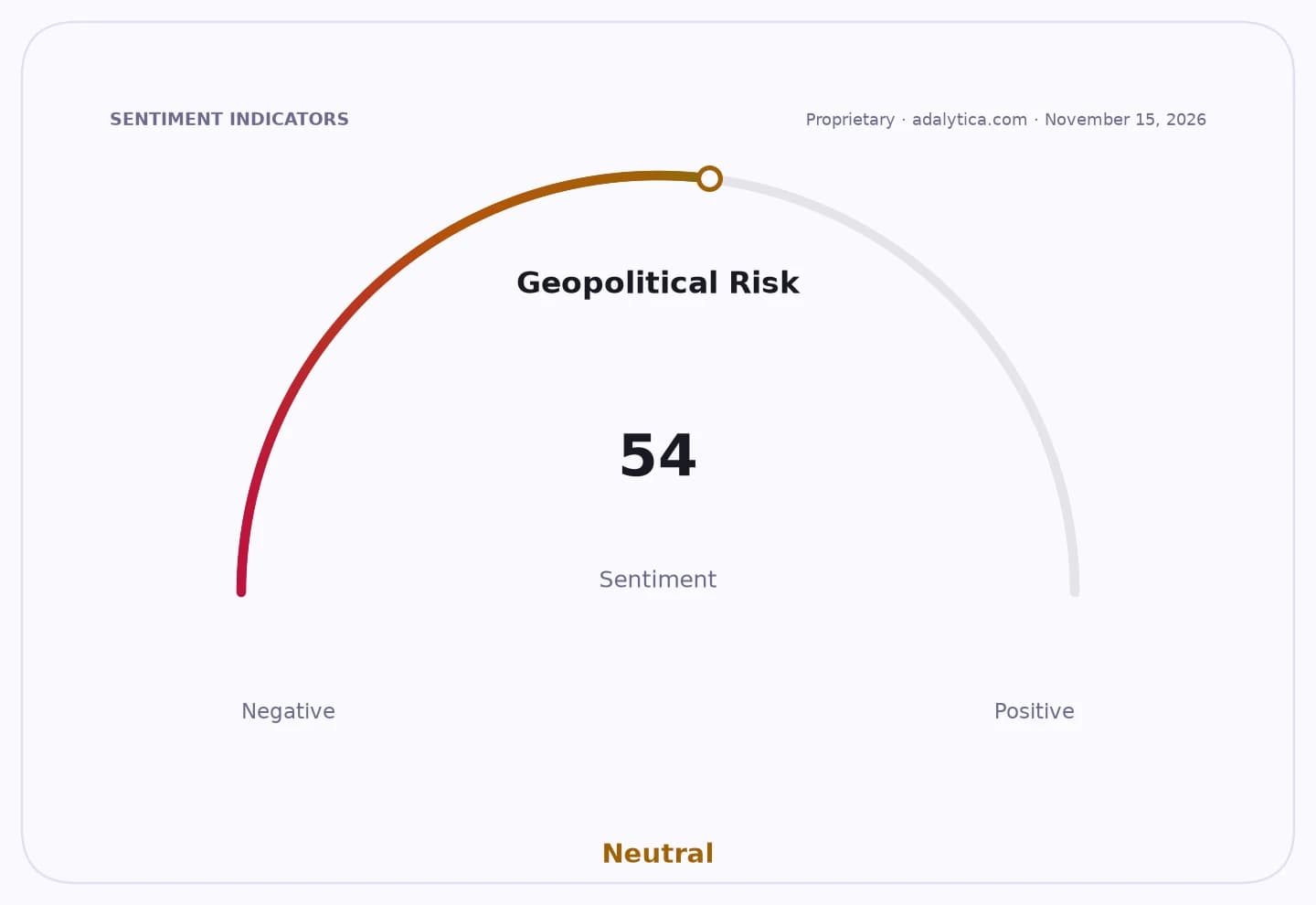
Sentiment Indicators
For the economy, the move is about more than cryptocurrency. Thailand’s central bank says the informal economy is still large, with a grey portion outside the formal GDP count, and it is using both stablecoin rules and stricter money changer oversight to reduce illicit flows. The central bank has already begun additional checks on large cash deposits and foreign-exchange trades, and it is now targeting money changers with higher standards matched to risk, including tighter controls intended to prevent the businesses from being used to support illegal activity.
The baht stablecoin itself is notable because it is being pitched as a payments tool, not a speculative token. Governor Vitai Ratanakorn said it would be pegged one-for-one to the baht and fully backed by assets, with issuers required to hold bank deposits covering 100% of coins in circulation, allow redemption within one business day and disclose coin and deposit figures. That structure is exactly what long-term investors want to see if stablecoins are going to move from crypto trading infrastructure to a mainstream payment rail.
There is also a competitive angle. The central bank said it may limit issuers to about two at first, borrowing from the more controlled rollout style seen in places such as Hong Kong and Singapore. That suggests Thailand wants to avoid a chaotic land grab while still encouraging innovation. Wallet providers would face strict know-your-customer checks and transaction recordkeeping, which should help legitimate adoption, but it also means the market will likely be small at first and heavily supervised.
That tradeoff matters for listed payments and crypto names because it points to a broader global pattern: regulators are not banning stablecoins, they are deciding which ones can safely plug into the financial system. For companies such as Coinbase and PayPal, that is a reminder that the opportunity in digital money is real, but it will be won through compliance, reserves and trust rather than hype. For investors, the bigger story is that governments are increasingly trying to capture the efficiency of blockchain-based payments without surrendering control over capital flows and anti-money-laundering checks.
Thailand’s approach also highlights why stablecoins may become more important in markets where consumers and businesses already use foreign tokens for convenience. The central bank said the baht coin is meant to let crypto investors hold proceeds from Bitcoin or Ether sales without converting them back into a bank account, and it could later support payments, transfers between systems and programmable payments. If that use case catches on, it could reduce friction in domestic commerce and cross-border transfers over time.
The near-term impact is unlikely to be dramatic, but the strategic direction is clear. Thailand is preparing a formal framework for tokenized baht liquidity while tightening access to the cash and exchange channels that can be abused by bad actors. For investors, that is worth watching closely: the winners are likely to be compliant issuers, wallet providers and payment platforms that can meet the rules, while informal exchange operators and unregulated stablecoin usage stand to lose ground.
| Entity | Gains | Losses |
|---|---|---|
| Regulated stablecoin issuers | ▲Clearer legal path | ▼Faster, looser launches |
| Licensed wallet providers | ▲New payment use cases | ▼Unverified offshore activity |
| Thai regulators | ▲More control over flows | ▼Less room for informal finance |
| Money changers with weak controls | ▲— | ▼New licence pause, stricter standards |