A growing wave of TikTok creators is turning private debt struggles into monetizable content, and that is exactly why the trend matters far beyond social media.
TikTok DebtTok creators monetize debt payoff videos
The most important development is not the spectacle of people filming themselves paying off credit cards and personal loans. It is that financial hardship has become an attention asset. In a weaker consumer environment, TikTok is helping convert anxiety about debt into views, sponsorships, tipping and platform payouts — a sign that creators can now extract income from the very stress that is squeezing household budgets.
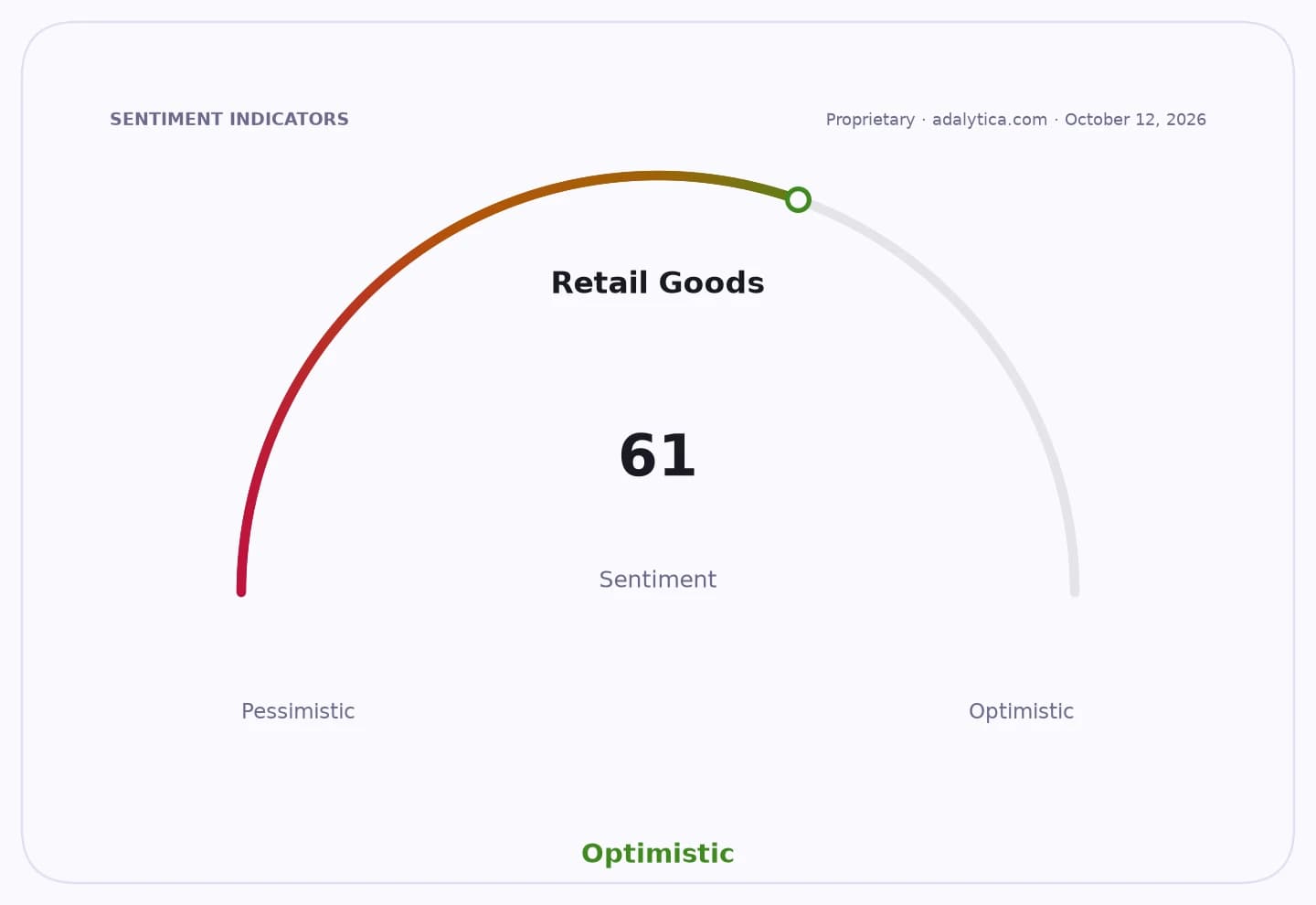
Sentiment IndicatorsⓘProprietary · adalytica.com · October 12, 2026
This is a snapshot — live sentiment, awareness and momentum for 130+ markets update continuously in the dashboard.Open AlphaPulse
That creates a new, investable narrative around the creator economy: hardship content is proving commercially viable because audiences are not just consuming advice, they are consuming drama with a measurable endpoint. In other words, debt repayment has become a serialized product. For platforms, that is sticky engagement. For advertisers and fintech brands, it is highly targeted reach into users already primed to think about budgeting, consolidation, personal loans and cash-flow management.
The scale is already visible. Tubular Labs says more than 28,000 debt-related videos have appeared on TikTok in the past nine months, feeding a trend now known as #DebtTok. The formula is simple and effective: creators disclose the balance, document each setback and update viewers as the total falls. Rodney Morgan, a 33-year-old in Los Angeles, said a video showing him with more than $40,000 of debt drew 1.5 million views, far above his previous best of 100,000, and led to a sponsorship from a personal finance app. That cash helped him wipe out an $800 balance on two credit cards.
This is the sort of user behavior platforms crave. It is low-cost, recurring content that encourages comments, shares and repeat visits, while also opening fresh monetization channels. Tianna Carter, a Pennsylvania HR executive, says social income is now helping cover child care and debt service. Kayla Rose in Florida said attention on her debt journey helped her erase more than $25,000 in credit card balances by August. The message for investors is clear: social media monetization is expanding beyond beauty, lifestyle and entertainment into financial vulnerability — a category with unusually high engagement because it speaks directly to economic stress.
That matters because the broader consumer backdrop remains fragile even as the market trades with greed. Adalytica’s S&P 500 Trade Signals show sentiment at 85, or Greed, even while awareness sits at 7, flagged as Extreme Fear. That disconnect is exactly where niche growth themes can still surprise. If consumers keep feeling pressure from debt, inflation fatigue and tight household cash flow, then platforms that can package those anxieties into repeatable content have an underappreciated tailwind.
The winners here are not just TikTok creators. They include platforms that can keep users watching longer, fintech advertisers that can buy highly motivated audiences, and payment or personal finance apps that can acquire customers at lower cost through creator sponsorships. The losers are more subtle: traditional financial influencers who rely on polished advice, and any platform that underestimates how efficiently misery can be monetized.
There is also a regulatory overhang. TikTok remains under pressure from governments, and the platform has recently agreed to pay $100 million to Alabama and accept tighter restrictions on teen use. That matters because monetizing debt content is easiest when engagement is unimpeded. Any further restrictions could hit the flywheel between creator storytelling and ad load.
For investors, the takeaway is to watch the second-order beneficiaries of social commerce and creator monetization, not just the headline platform itself. The market often misses these shifts until the revenue line catches up. Right now, DebtTok looks less like a passing fad and more like a template for how digital platforms will profit from economic strain. The highest-conviction opportunity is in the tools, apps and ad networks that can monetize that attention before it becomes consensus.
| Entity | Gains | Losses |
|---|---|---|
| TikTok creators | ▲sponsorship income | ▼stigma of debt |
| TikTok and ad partners | ▲longer engagement | ▼regulatory scrutiny |
| Personal finance apps | ▲cheap user acquisition | ▼traditional advisors |
| Credit-card lenders | ▲loan demand | ▼early debt repayment |