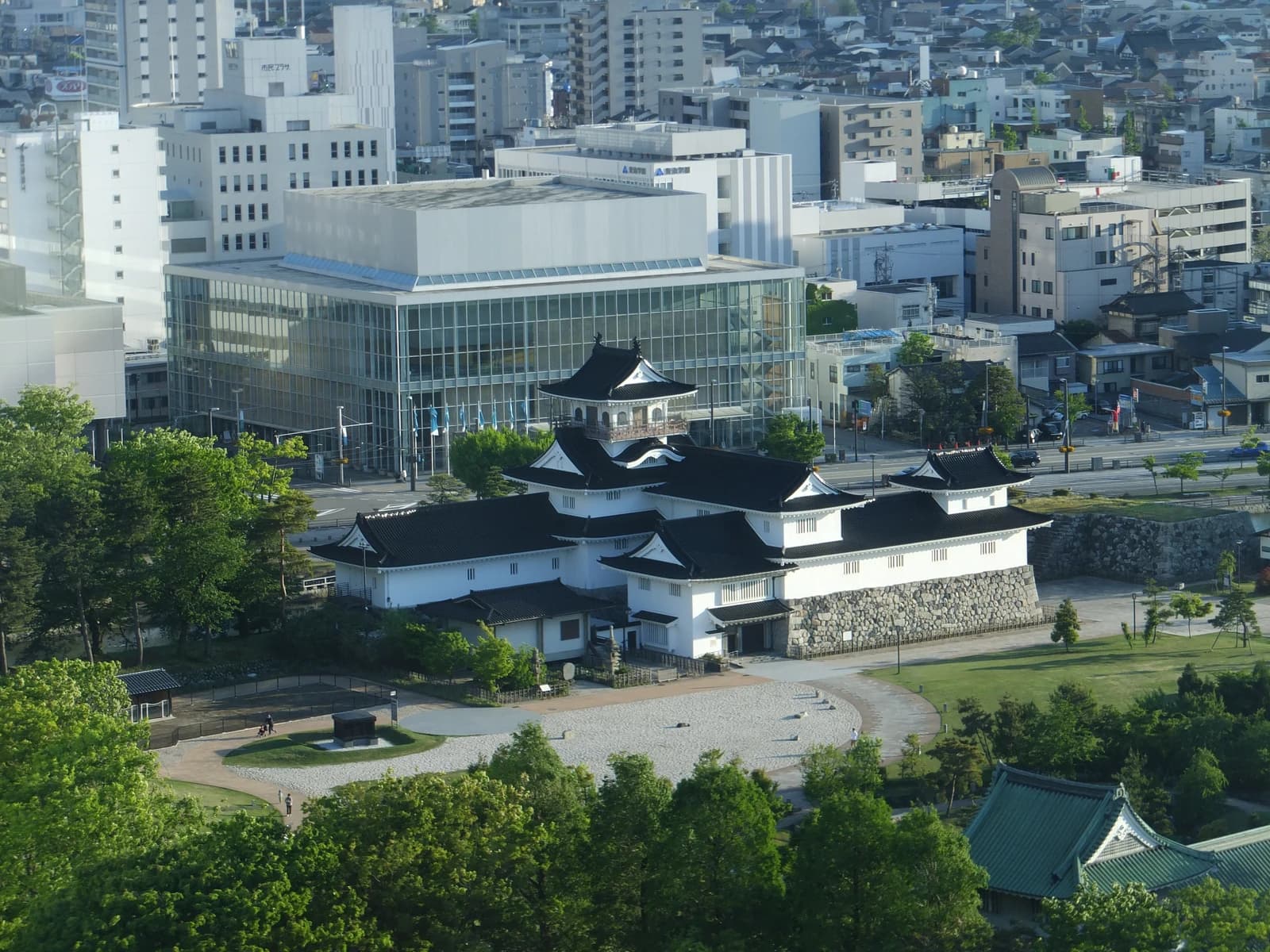
Toyama Prefectural Police raided Toyama City Hall on suspicion that city employees inflated the municipality’s population in the 2025 census, a case that could force a review of local government funding and expose broader weaknesses in Japan’s statistical controls.
Toyama City Hall raided over census inflation probe
The investigation matters because census figures are not just a bureaucratic measure of headcount: they feed directly into fiscal transfers, administrative planning and policy allocation. If Toyama City secured larger-than-justified grants on the basis of doctored data, the case would represent a concrete financial loss to taxpayers and a distortion of the formulas that determine how public money is distributed across local governments.
According to the Ministry of Internal Affairs and Communications, census workers had marked certain households as having no actual residents, only for city staff to erase those markings without a valid basis and count the homes as occupied. The ministry filed a criminal complaint with police on Sept. 29, which was accepted the same day. Officers entered the city office around 10 a.m. on Thursday carrying boxes of evidence, as investigators sought to determine the motive, the sequence of events and whether the alleged falsification was organized rather than isolated.
The reported scale of the discrepancy is significant. Toyama City’s preliminary population for the 2025 census was 402,133, but the final figure came in at 399,197, a difference of 2,936 people. The ministry said the inflated count may have exceeded 2,000 residents. That gap is large enough to affect local government finances, and city officials have acknowledged that the manipulation may have resulted in about 60 million yen in excess local allocation tax for fiscal 2026.
For investors, the direct market impact is limited, but the case matters for what it says about governance, public finance and the reliability of official data. Any erosion in trust around census or fiscal reporting can complicate policy decisions, especially in a country where population decline already shapes everything from infrastructure spending to regional bank lending and municipal bond risk. The case also raises the prospect of financial clawbacks, administrative sanctions or tighter oversight that could hit Toyama City’s budget planning.
Toyama Mayor Hirohisa Fujii said he had been told the inflation was conducted “as an organization,” while denying involvement by department heads and above. That distinction will matter to prosecutors. If investigators conclude the conduct was systemic, the case could broaden from a local fraud probe into a wider examination of how municipalities manage census data and whether incentives to maximize transfers create opportunities for manipulation.
The immediate focus now is on whether prosecutors can prove intent and identify who authorized the changes. For markets and policymakers, the larger issue is whether a seemingly local census irregularity becomes a precedent for stricter enforcement across Japan’s statistical system.
| Entity | Gains | Losses |
|---|---|---|
| Toyama City residents | ▲More scrutiny of local governance | ▼Trust in city administration |
| Central government | ▲Stronger enforcement credibility | ▼Administrative burden, potential clawbacks |
| Toyama City budget | ▲— | ▼Possible loss of 60 million yen in grants |
| Taxpayers | ▲Better data integrity | ▼Risk of misallocated public funds |