Car buyers are being squeezed by a mix of sticky inflation, volatile oil prices and a weakening growth backdrop, and that is forcing investors to focus on which automakers can keep demand alive without relying on cheap credit or discretionary spending.
Toyota Value Demand in Inflationary Auto Market

That matters because autos are a classic barometer of consumer confidence and purchasing power. When households start prioritizing fuel efficiency, resale value and lower ownership costs, the winners tend to be brands with reputation for durability and product range, while aspirational nameplates and higher-running-cost vehicles lose pricing power faster.
Sentiment IndicatorsⓘProprietary · adalytica.com · September 6, 2026
This is a snapshot — live sentiment, awareness and momentum for 130+ markets update continuously in the dashboard.Open AlphaPulse
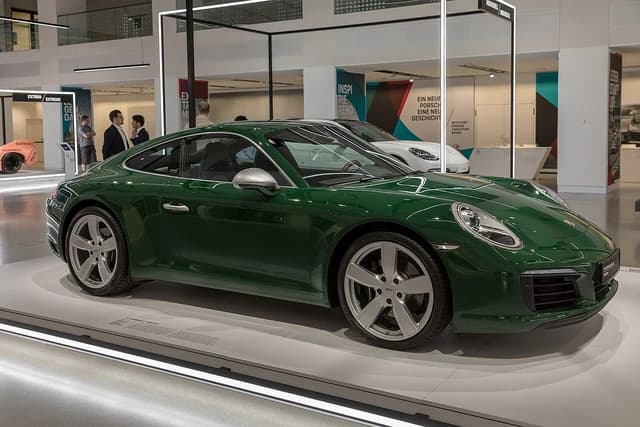
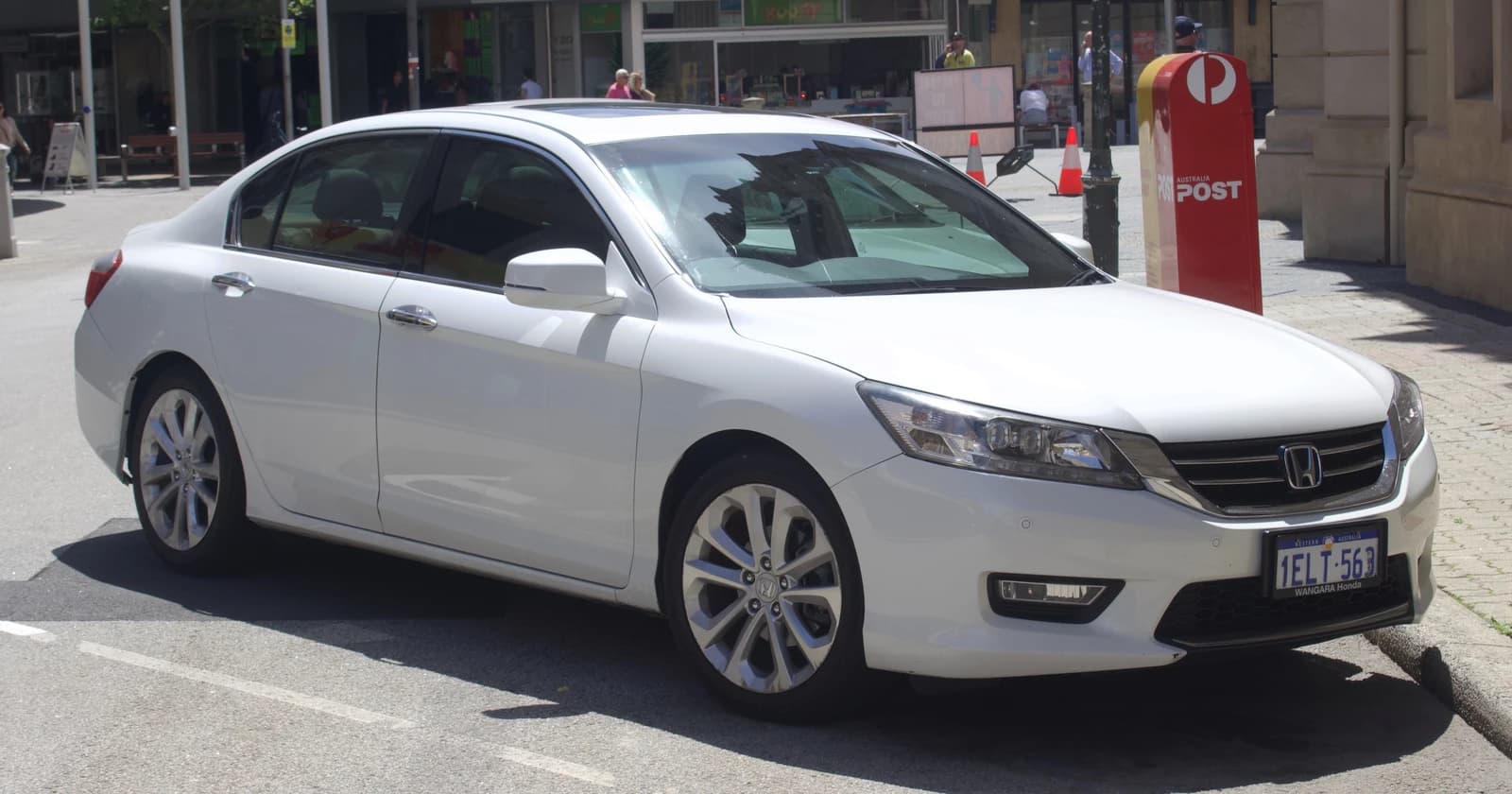
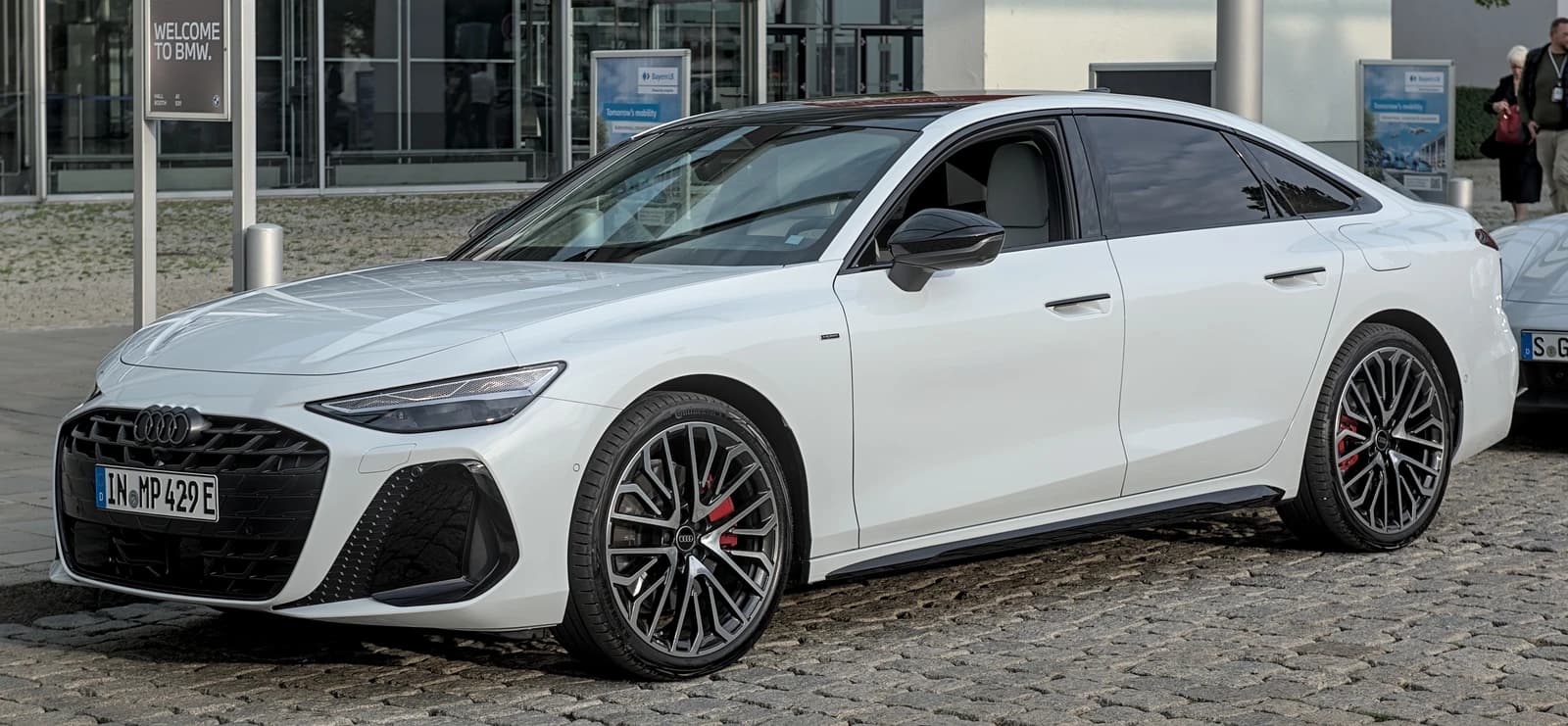
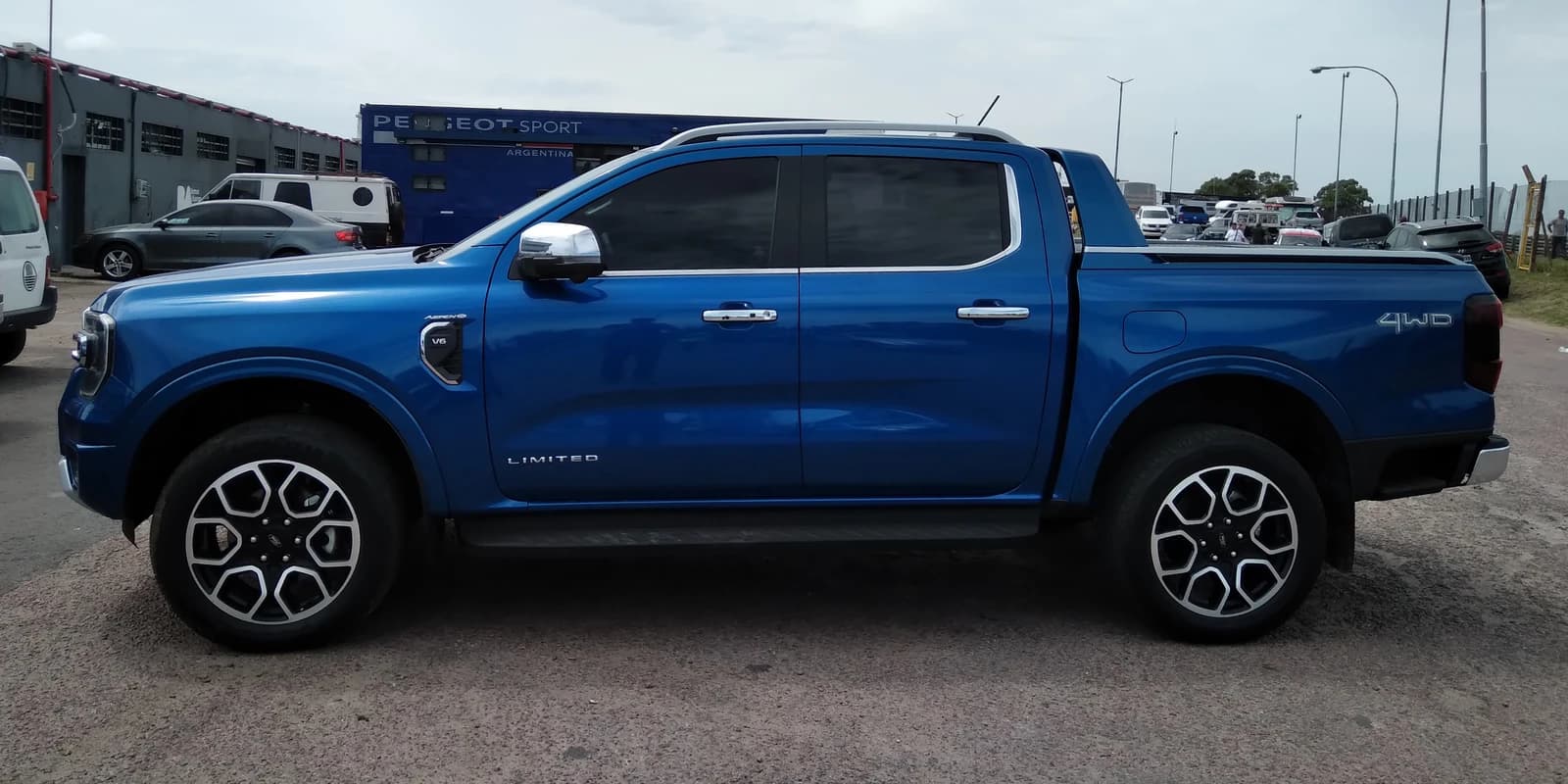
The latest Pakistan price listings underline how wide the affordability gap has become. Toyota’s 2026 lineup in the country stretches from the Aqua at PKR 4.5 million to the Land Cruiser at PKR 156.829 million, with mass-market models such as the Corolla at PKR 6.169 million and the Hilux at PKR 16.149 million. That spread captures the pressure on buyers to trade down, stretch financing or delay purchases entirely.
For investors, the more important story is not just sticker prices but what they say about the market’s next winners. In a world where fuel remains a swing factor and inflation has already lifted the cost of everything from food to transport, demand should continue to favor vehicles with efficiency and utility over pure status appeal. That is constructive for Toyota, whose lineup is anchored by practical models and strong brand loyalty, and less supportive for premium models that depend on discretionary spending and easy financing.
The macro backdrop reinforces that view. U.S. inflation remains elevated relative to pre-pandemic norms, crude oil has been volatile and the labor market has started to soften from earlier strength. Adalytica’s S&P 500 trade signals show “Extreme Fear,” a reminder that investors are already discounting slower growth and tighter household budgets. In that environment, car affordability becomes a first-order issue, not a side note.
Toyota’s U.S.-listed shares have also been trading well above their 50-day moving average, even after recent pullbacks, with momentum indicators still constructive. That suggests investors are beginning to pay for the same thesis consumers are acting on: dependable, fuel-efficient transportation should outperform flashier alternatives when wallets tighten.
The opportunity, in my view, is to lean into the auto names and suppliers tied to utility, durability and maintenance rather than chase the most expensive vehicles in the showroom. The market often misses that downturns in consumer confidence can be quietly bullish for the brands that sell necessity, not aspiration.
As inflation, energy costs and growth anxieties persist, the next phase of auto demand should reward manufacturers with broad price ladders and strong value positioning. For investors, that keeps Toyota and adjacent service beneficiaries in the center of the trade while exposing premium-only names to a more selective buyer.
| Entity | Gains | Losses |
|---|---|---|
| Toyota | ▲Value-driven demand | ▼Luxury-only rivals |
| Fuel-efficient buyers | ▲Lower ownership pain | ▼Big-engine buyers |
| Auto parts retailers | ▲More maintenance demand | ▼New-car dealers |
| Premium car brands | ▲Higher sticker prices | ▼Pricing power under pressure |