U.S. Treasury Secretary Scott Bessent heads into the G20 with bond markets still sending a warning signal that tariffs, war and swelling government borrowing are colliding into a tougher policy backdrop for Washington.
Treasury Yields Stay High Before Bessent’s G20
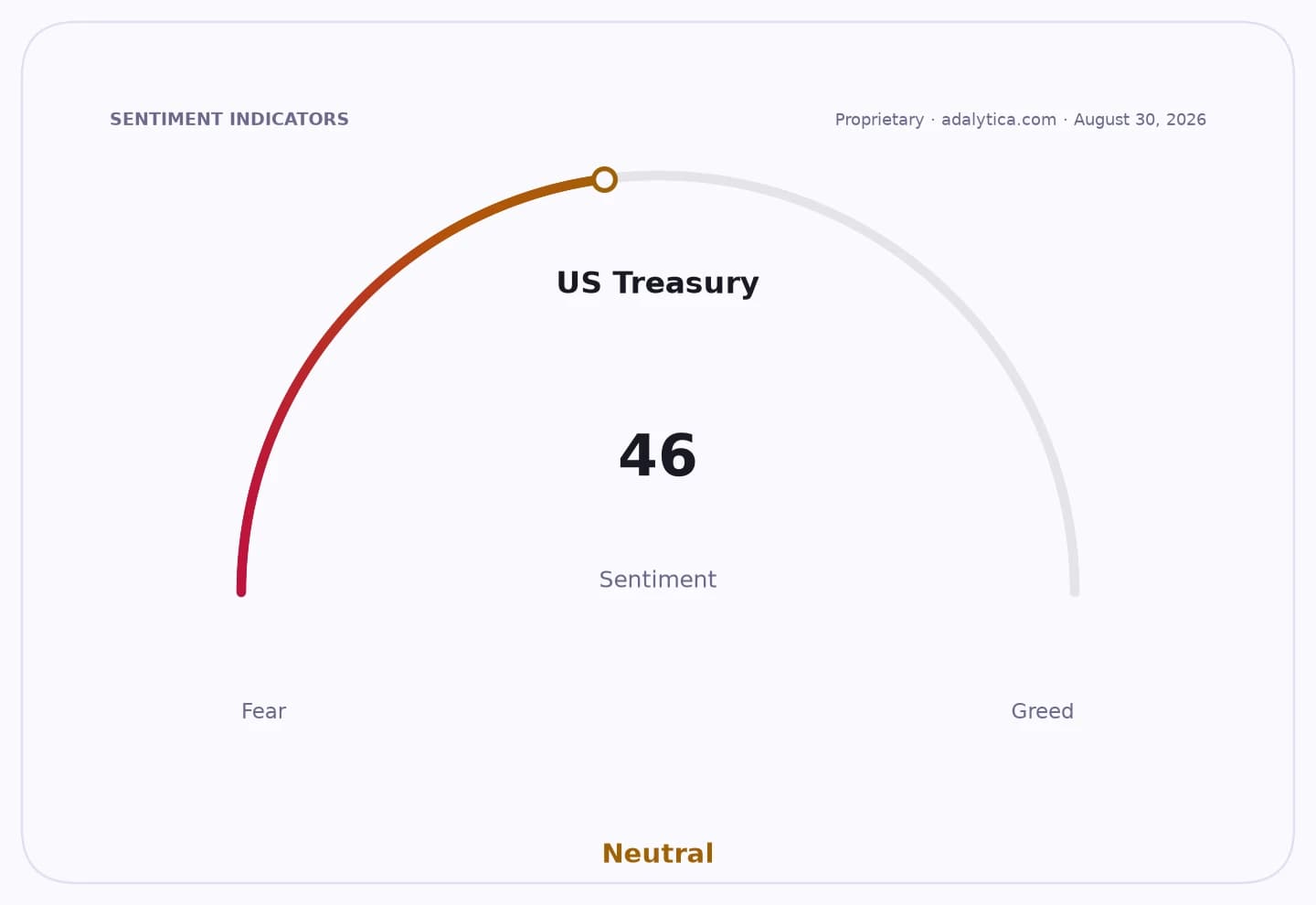
The 10-year Treasury yield was last around 4.64%, near the upper end of its recent range and far above the levels that prevailed before the latest run of tariff escalation and geopolitical stress. The 2-year yield sat at 4.17%, leaving a still-steep funding burden for the government and keeping borrowing costs elevated across the economy. High-yield credit spreads have widened only modestly to about 2.63 percentage points, suggesting investors are not pricing a full-blown credit event, but they are demanding more compensation for duration and fiscal risk.
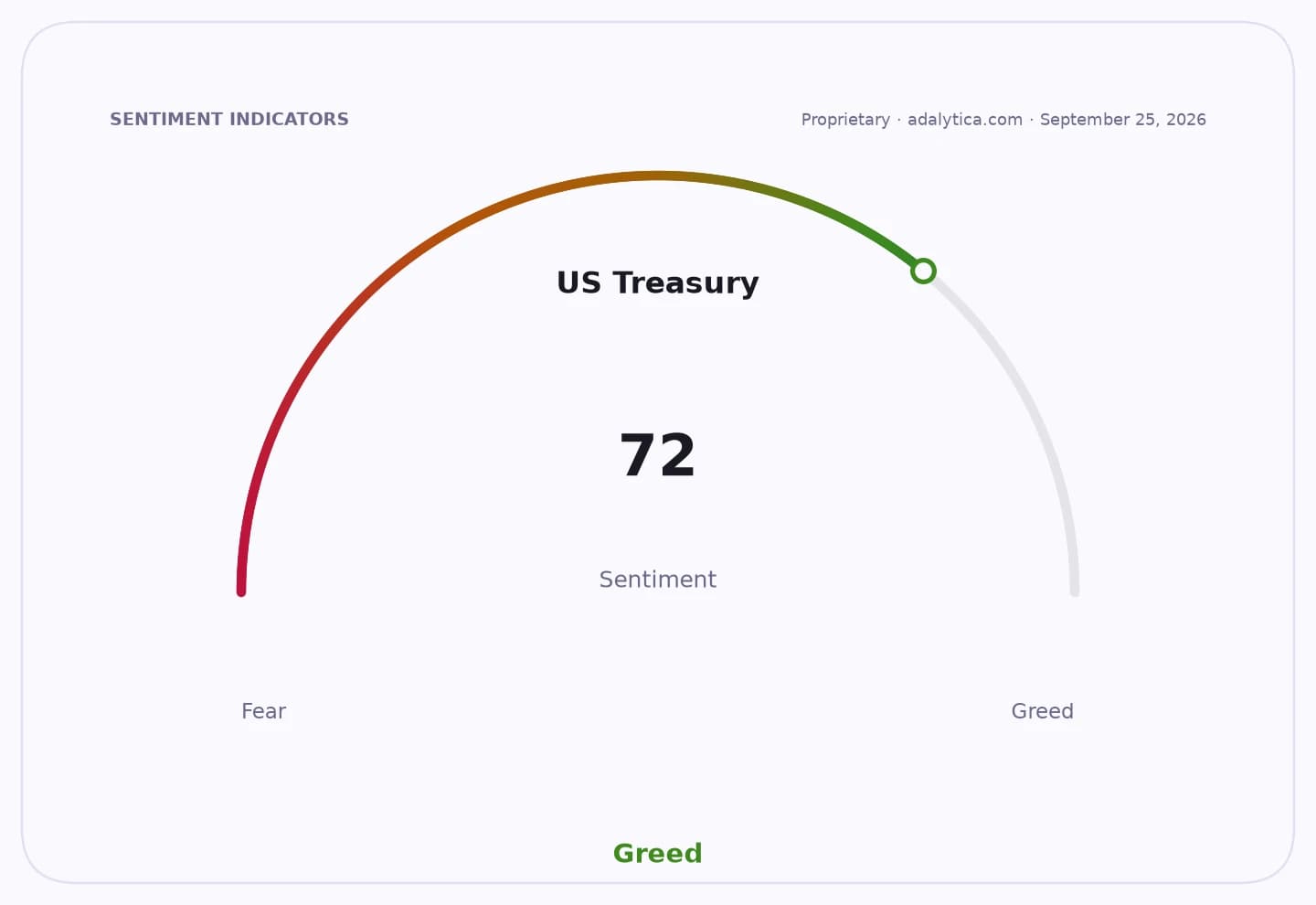
Sentiment IndicatorsⓘProprietary · adalytica.com · August 30, 2026
This is a snapshot — live sentiment, awareness and momentum for 130+ markets update continuously in the dashboard.Open AlphaPulse
That matters because Treasury yields are the anchor for U.S. mortgage rates, corporate financing and the valuation of risk assets. When long-dated yields remain stubbornly high even as Treasury increases buybacks to steady the market, it points to a deeper problem: the market is less concerned with temporary liquidity than with the structural supply of debt and the inflationary consequences of tariffs and conflict. In that environment, Bessent’s diplomacy is not just about trade relationships. It is about reassuring allies, foreign reserve managers and bond investors that Washington can preserve market access without further unsettling growth.
The message is especially important after the Treasury doubled its bond buyback program in an effort to calm the market. The move has so far failed to restore confidence, indicating investors see buybacks as a smoothing tool rather than a cure for the underlying imbalance between heavy issuance and thin appetite for duration. The dollar, meanwhile, remains under pressure by broader measures, with trade signals showing fear in the currency even as market awareness stays elevated. That combination suggests international investors are still hedging against policy noise rather than embracing U.S. assets as a safe haven.
DGS10 vs BAMLH0A0HYM2 — macro contextadalytica.com
Explore this data interactively — full history, time series and cross-market comparisons.Open AlphaPulse
For investors, the key question is whether higher yields become a sustained headwind for equities, real estate and rate-sensitive sectors, or whether the Treasury’s interventions can cap the repricing. The bull case is that stronger growth, resilient inflation control and coordinated diplomacy at the G20 could keep financing conditions orderly. The bear case is that tariffs, defense-related shocks and persistent fiscal deficits keep yields elevated, forcing markets to reprice everything from bank funding costs to the cost of capital for leveraged companies.
Bessent’s G20 meetings with counterparts from Europe and Japan will be watched for any sign of coordination on trade, currencies and bond-market stability. If no policy bridge emerges, Treasury markets may continue to do the heavy lifting for a debate that is increasingly about fiscal credibility as much as geopolitics.
| Entity | Gains | Losses |
|---|---|---|
| U.S. Treasury | ▲Market attention on debt management | ▼Credibility if buybacks fail |
| Bond investors | ▲Higher yields on new purchases | ▼Price support if yields stay elevated |
| Borrowers | ▲— | ▼Mortgage and corporate financing costs |
| Exporters / dollar bears | ▲Softer dollar tailwinds | ▼Stronger funding pressure if yields rise |