Tripura has lifted dearness allowance for state employees and pensioners to 44% from 8% in July 2022, a sharp increase that the state says will narrow the gap with central government pay and set the stage for a wider wage revision under the 8th Pay Commission.
Tripura raises dearness allowance to 44%
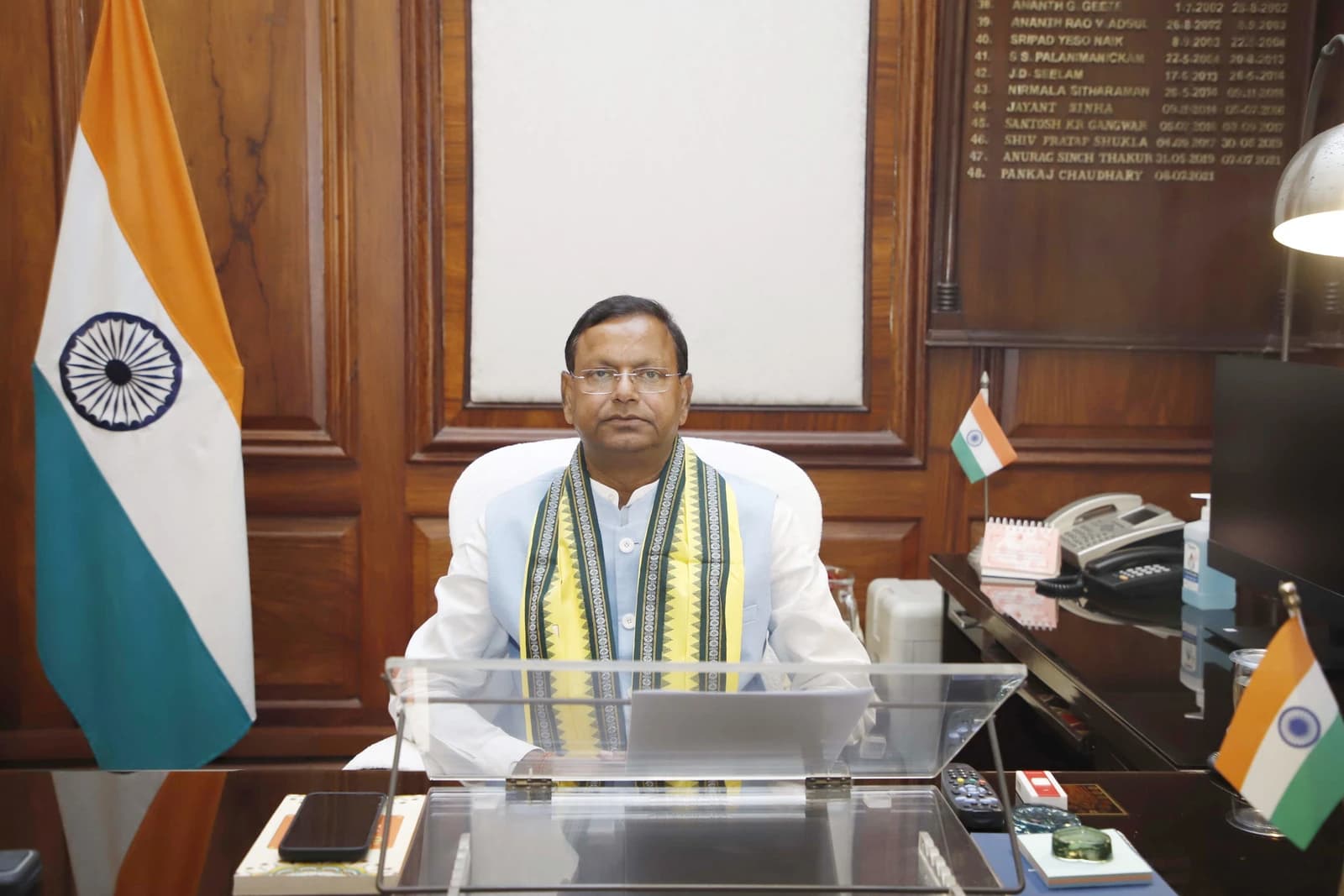
The jump is economically significant because it points to a larger recurring wage bill for a state that must balance employee compensation against capital spending and other public outlays. Chief Minister Manik Saha said the government is trying to reduce the difference between the DA paid by the Centre and by Tripura, while also committing to revise salaries under the 8th Pay Commission during its term. He did not give a start date for the new pay structure or any fitment factor, leaving the most costly part of the reform unresolved.
Tripura’s move is politically sensitive as well as fiscal. The announcement came ahead of municipal elections on Nov. 27, when 16 urban bodies, including Agartala Municipal Corporation, go to the polls. For a state government, pay hikes can help ease long-running employee discontent and improve morale in the public sector. But every 1 percentage point increase in DA and dearness relief costs the state about 100 crore rupees, according to the chief minister, underscoring why the issue is tied to budget space and revenue generation as much as worker welfare.
The state has been under pressure to catch up with central government compensation levels. Saha said the previous Left administration had used a fitment factor of 2.25 under the 7th Pay Commission, while the BJP government later raised it to 2.57 in July 2018, which he said lifted average salaries by about 8%. That comparison is meant to signal continuity with past revisions, but it also highlights the fiscal strain that comes with each round of pay normalization.
For investors and bondholders, the key issue is whether Tripura can absorb higher staff costs without squeezing infrastructure spending. Saha said capital expenditure remains essential for growth and linked it directly to state GSDP expansion, arguing that Tripura’s economic performance is among the strongest in the northeast. The broader test will be whether wage revisions arrive alongside stronger revenues, or whether the state leans more heavily on borrowing and reduced discretionary spending.
For employees, the immediate gain is visible: DA has risen from 8% to 44%, a substantial improvement in real income protection. For the state, the next catalyst is the 8th Pay Commission framework itself. Until the fitment factor and implementation date are announced, the biggest cost of the reform remains on the horizon rather than in the accounts.
| Entity | Gains | Losses |
|---|---|---|
| Tripura state employees and pensioners | ▲Higher DA/DR | ▼Wait for full pay revision |
| Tripura government | ▲Worker goodwill before polls | ▼Higher recurring wage bill |
| Capital spending priorities | ▲— | ▼Budget room for infrastructure |
| State finances | ▲— | ▼Pressure from larger salary outlays |