India’s retirement fund manager is set for a sharp jump in inflows next fiscal year, with Employees’ Provident Fund Organisation contributions budgeted to rise 25% to ₹4.75 lakh crore in 2027-28 as a higher wage ceiling broadens the pool of salaried workers covered by the scheme.
EPFO contributions seen rising 25% in 2027-28
Wages
That matters because EPFO is one of the country’s biggest compulsory savings channels, and faster contribution growth points to a deeper formalisation of payrolls, stronger household retirement saving and larger pools of long-dated domestic capital for government bonds and market investments. It also gives policymakers more room to widen the fund’s investment mandate, including a proposal to place up to 3% of fresh accretion in alternative investment funds.
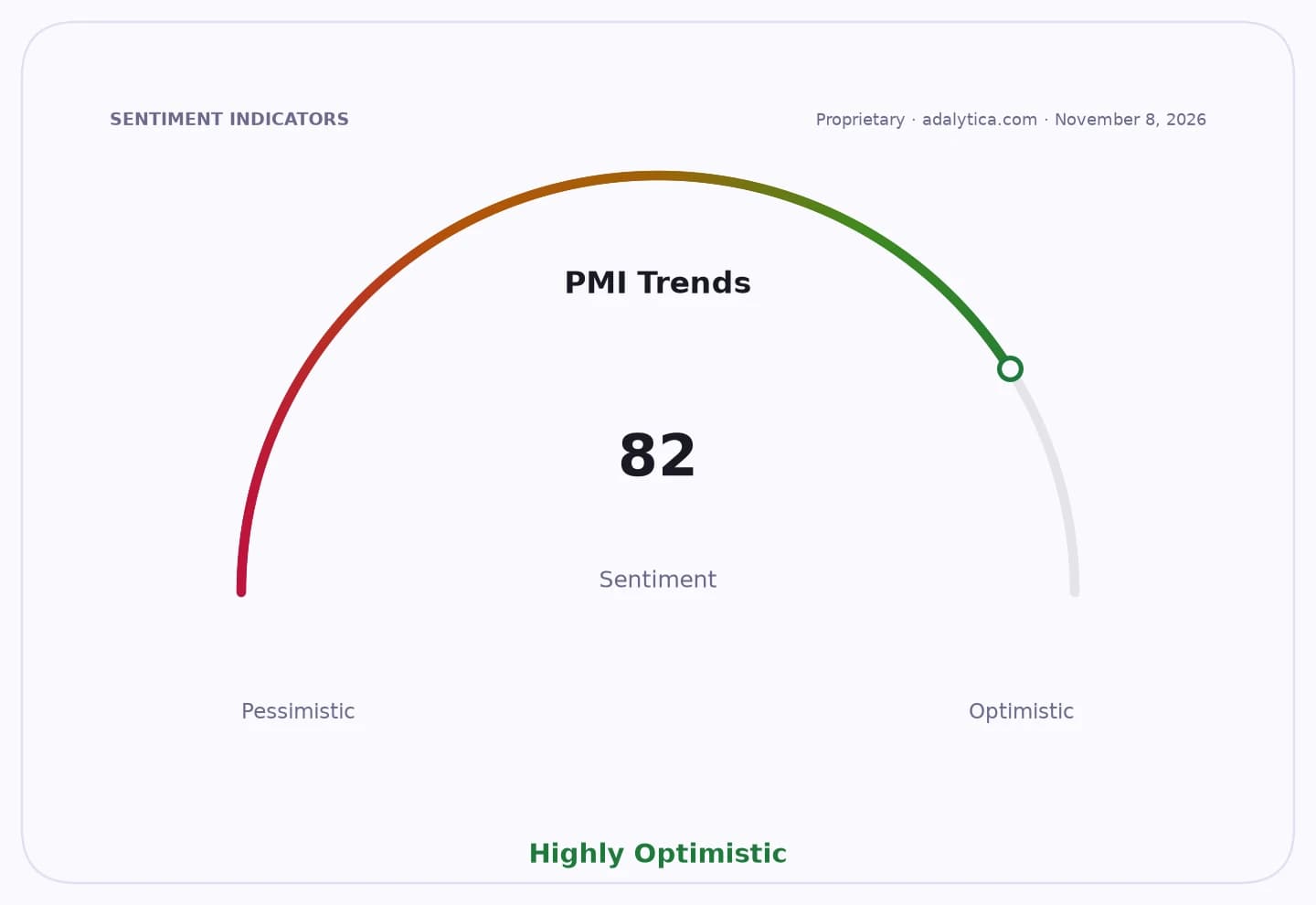
Sentiment Indicators
The revised estimate for 2026-27 has already been lifted to ₹4.12 lakh crore from a budgeted ₹3.80 lakh crore, up 8.37%, underscoring how sensitive collections are to wage growth and employment conditions. The 25% increase pencilled in for 2027-28 is a bigger move than a routine budget tweak; it implies a material expansion in compulsory payroll-linked savings if the wage-ceiling change is implemented as expected.
For investors, the implication is twofold. First, a larger EPFO corpus can support demand for fixed income and equity instruments over time, reinforcing the role of domestic institutions as a stabilising force in Indian capital markets. Second, the board’s consideration of investments in alternative investment funds, either directly or via Startup India Fund of Funds 2.0, would open a new channel of capital into venture and infrastructure-oriented assets, though any allocation would still be capped by the 5% ceiling.
The board will also review whether to keep holding exchange-traded fund units rather than redeem them this financial year, after no redemption took place because the policy trigger was not met. That suggests EPFO is likely to remain a patient, stickier buyer of market-linked assets even as contributions rise.
The broader story is that India’s wage policy and retirement savings machinery are converging. If the higher ceiling expands coverage as intended, the result could be more formal payroll contributions, more assets under management for EPFO and a modest but meaningful boost to domestic capital formation.
| Entity | Gains | Losses |
|---|---|---|
| EPFO | ▲Higher contribution inflows | ▼Less scope for passive growth assumptions |
| Salaried workers in formal jobs | ▲Bigger retirement savings base | ▼Higher payroll deductions |
| Indian capital markets | ▲Larger domestic institutional capital | ▼Some pressure from slower redemptions |
| Venture/startup funds | ▲New capital access | ▼Competitors for scarce EPFO allocations |