The 8th Pay Commission is moving into its most consequential phase, and the size of the fitment factor could decide whether the next round of government pay revisions becomes a modest adjustment or a meaningful jolt to household incomes across India.
India 8th Pay Commission Fitment Factor Debate
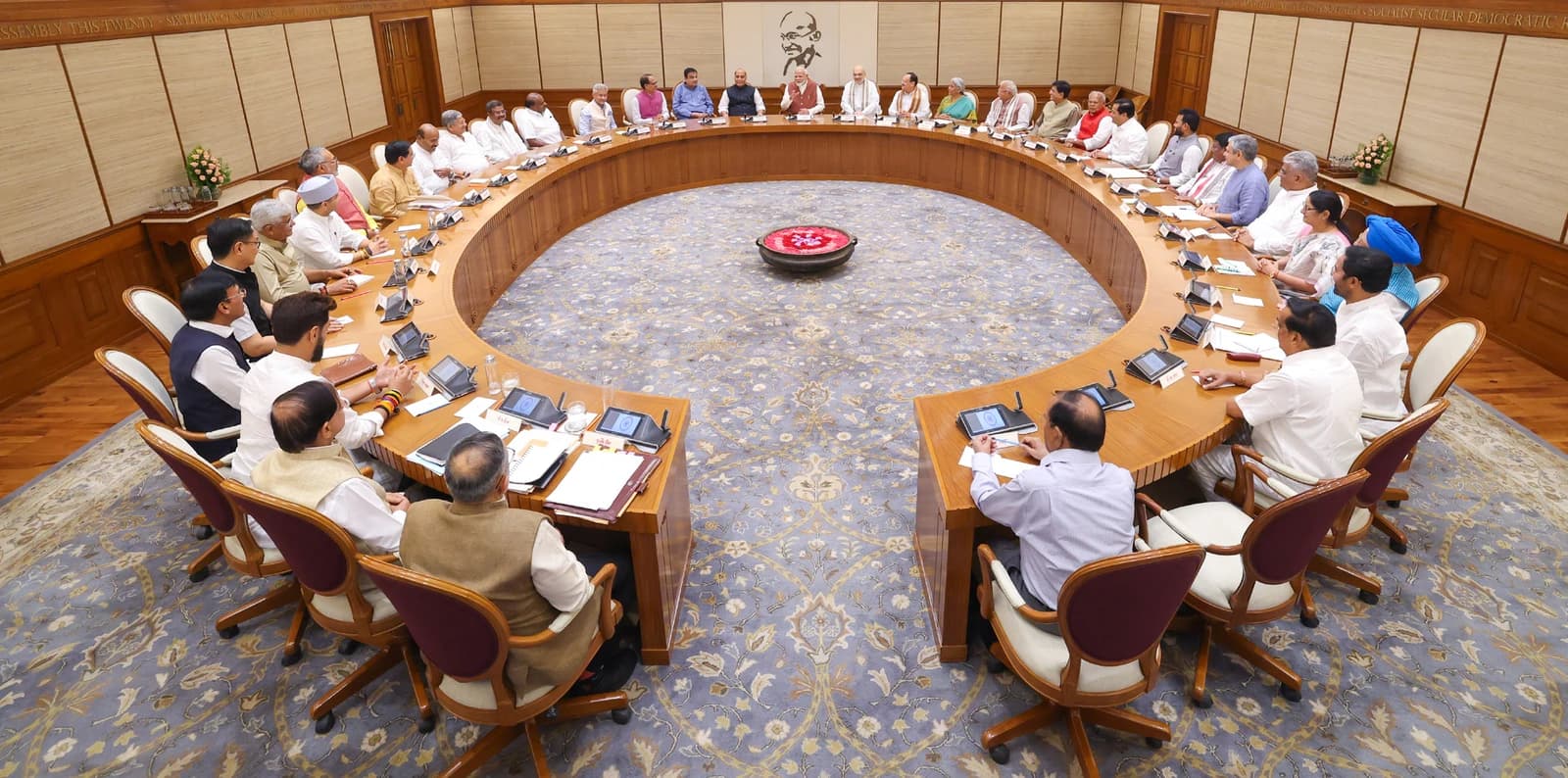
That matters far beyond the civil service. A higher basic pay revision would lift salaries and pensions for millions of central government employees and retirees, with knock-on effects for consumption, savings, and the broader demand cycle. It also carries a fiscal price tag for the government, which must balance employee expectations against budget discipline.
Sentiment Indicators
Union proposals give a sense of how wide the range could be. NC-JCM Staff Side wants a 3.833x multiplier, while Bharatiya Pratiraksha Mazdoor Sangh is pressing for 4x. Those would be far richer than the 7th Pay Commission’s 2.57x fitment factor, which lifted the minimum basic pay from ₹7,000 to ₹18,000. The commission, headed by Justice Ranjana Prakash Desai, was constituted on Nov. 3, 2025 and has until around May-June 2027 to submit its final report.
For investors, the key question is not just who gets paid more, but how much of that increase flows into the economy. A fitment factor closer to 4x would likely boost discretionary spending among a large and stable cohort of consumers, especially on everyday goods, housing-related outlays and financial products. That could be a quiet but powerful tailwind for consumer-facing companies, banks and insurers over time.
The numbers being discussed are illustrative, but the mechanics are simple. A fitment factor of 2 would take a basic salary of ₹18,000 to ₹36,000. At 2.5x it would rise to ₹45,000, at 3x to ₹54,000, at 3.5x to ₹63,000 and at 4x to ₹72,000. Those increases apply to basic pay alone, before dearness allowance and house rent allowance are added separately.
That distinction matters because basic pay is the foundation for future increases in allowances and pensions. In other words, the final economic impact can be broader than the headline wage revision suggests. If the commission leans toward the higher end of the range, it would strengthen purchasing power for a large base of salaried households that tends to spend steadily rather than speculate aggressively.
The upside for investors is obvious: stronger consumption often supports earnings visibility for companies selling staples, financial services, travel, auto ancillary products and small-ticket consumer durables. The downside is equally clear: a generous award would add to government spending commitments and could tighten the room for other fiscal priorities. That trade-off is why the final recommendation will matter as much to bond markets and policy watchers as it does to employees.
The commission has not approved any of the figures under discussion, and the government will still have the final say after the report is submitted. But the direction of travel is worth watching closely. For long-term investors, pay commissions are not just bureaucratic exercises; they are periodic redistributions of income that can ripple through India’s consumption story for years.
| Entity | Gains | Losses |
|---|---|---|
| Central government employees | ▲Higher basic pay | ▼Fiscal uncertainty |
| Pensioners | ▲Larger pension base | ▼Delayed clarity |
| Consumer companies | ▲Stronger spending power | ▼Higher wage costs elsewhere |
| Government finances | ▲Administrative reset | ▼Bigger revenue pressure |