A 30-day non-productivity-linked bonus for selected Railway Protection Force employees is the key development here, and it matters because it puts a hard number on a year-end payout for a large group of public-sector workers while also setting a clear formula that limits the fiscal bill. For investors, the story is less about the size of the cheque than the message: India’s government is still using bonus policy to support household income and festive demand without opening the door to open-ended wage inflation.
India Rail Ministry Approves RPF Bonus for 2025-26

The Rail Ministry has approved the bonus for Group C employees of the Railway Protection Force and Railway Protection Special Force for fiscal 2025-26. The payout will go to eligible uniformed and non-uniformed staff, regardless of posting, as long as they meet the service rules. The maximum bonus works out to 6,908 rupees, based on a monthly wage ceiling of 7,000 rupees and the standard 30.4-day calculation formula.
Sentiment Indicators
That cap is the economic heart of the policy. By using a fixed wage base rather than actual salary for the calculation, the ministry keeps the benefit broad but contained. The rule also requires employees to be in service on March 31, 2026 and to have completed at least six months of continuous service during the fiscal year. Workers who served between six months and one year will receive a pro-rated amount. Temporary staff without service breaks and some retirees or deceased employees who met the six-month threshold are also covered.
For India’s consumer economy, even a modest bonus can matter at the margin when it lands around Diwali, a period when households tend to spend on discretionary goods, travel and essentials. That makes the announcement relevant not only to railway workers but to retailers, consumer brands and local economies that benefit when public-sector income gets a seasonal boost.
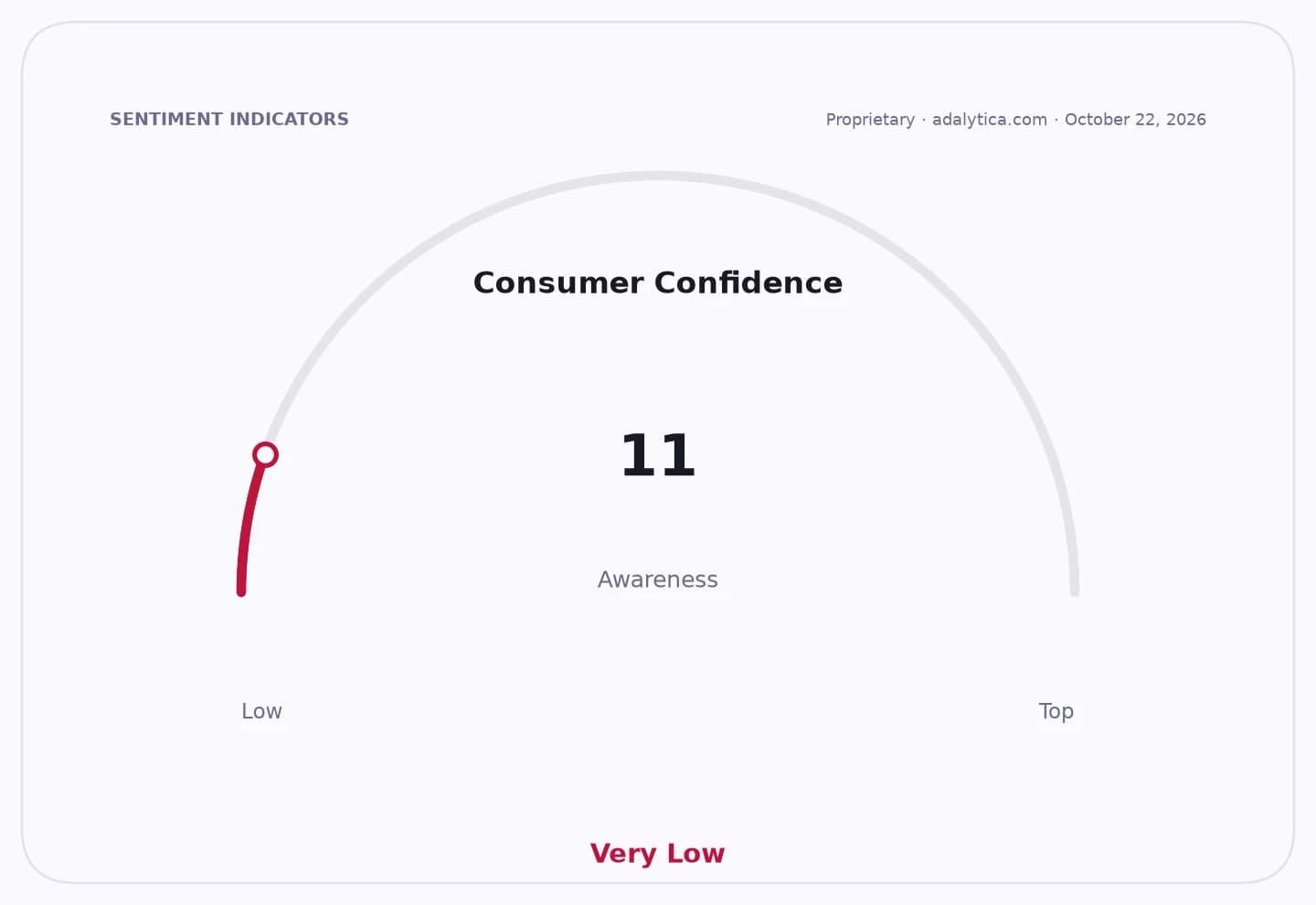
For investors, the broader takeaway is that the government continues to lean on targeted income support rather than across-the-board pay hikes. That can be supportive for consumption without creating the kind of wage shock that would quickly ripple through public finances. It also suggests that labor policy in state-linked employers remains a useful gauge of household demand, especially at a time when consumer sentiment indicators in the data remain weak even as job-market measures look stronger.
Railways is not a listed stock, but the policy still has market relevance. Indian public-sector pay decisions influence spending power, labor expectations and the tone of government support into the festive season. When those signals are positive, they can help steadier domestic-demand names more than export-heavy sectors tied to a softer global backdrop.
Investors should see this as a small but telling reminder that compounding in India often starts with household cash flow. A one-time bonus will not transform earnings, but repeated policy support for workers can help sustain consumption through the cycle. Worth watching for what it says about the government’s approach to wages, social support and festival-season demand.
| Entity | Gains | Losses |
|---|---|---|
| Eligible RPF/RPSF staff | ▲Festive cash bonus | ▼No benefit if service rules not met |
| Railway-linked consumers | ▲Extra household spending power | ▼— |
| Consumer and retail companies | ▲Better Diwali demand | ▼— |
| Government finances | ▲Controlled payout formula | ▼Additional payroll expense |