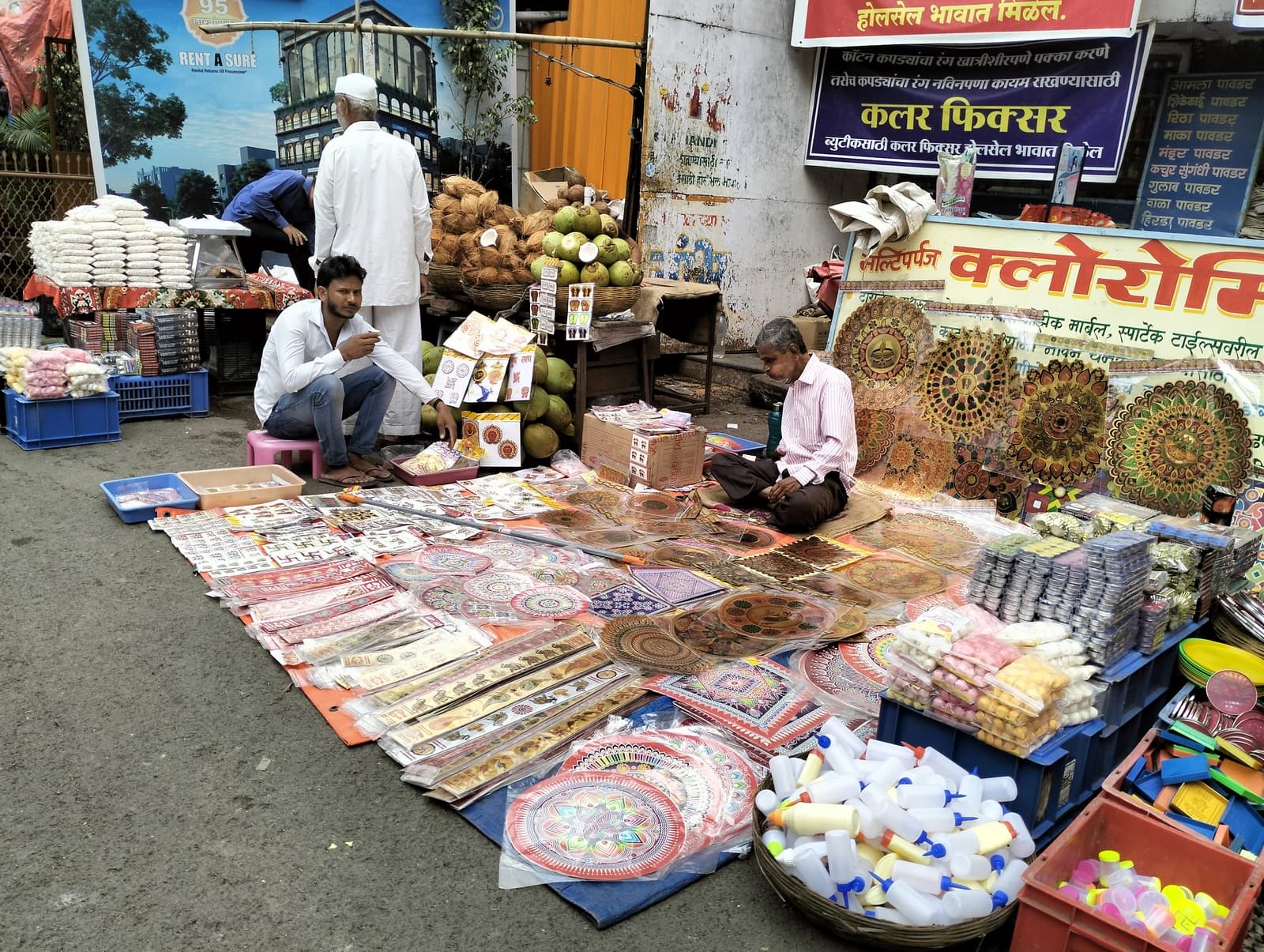
Diwali buying is giving Indian equities a seasonal lift, with fast-moving consumer goods and real estate shares leading gains as investors bet that festival-time spending will translate into stronger sales, healthier cash flows and better near-term earnings.
India stocks rise on Diwali buying in FMCG, realty
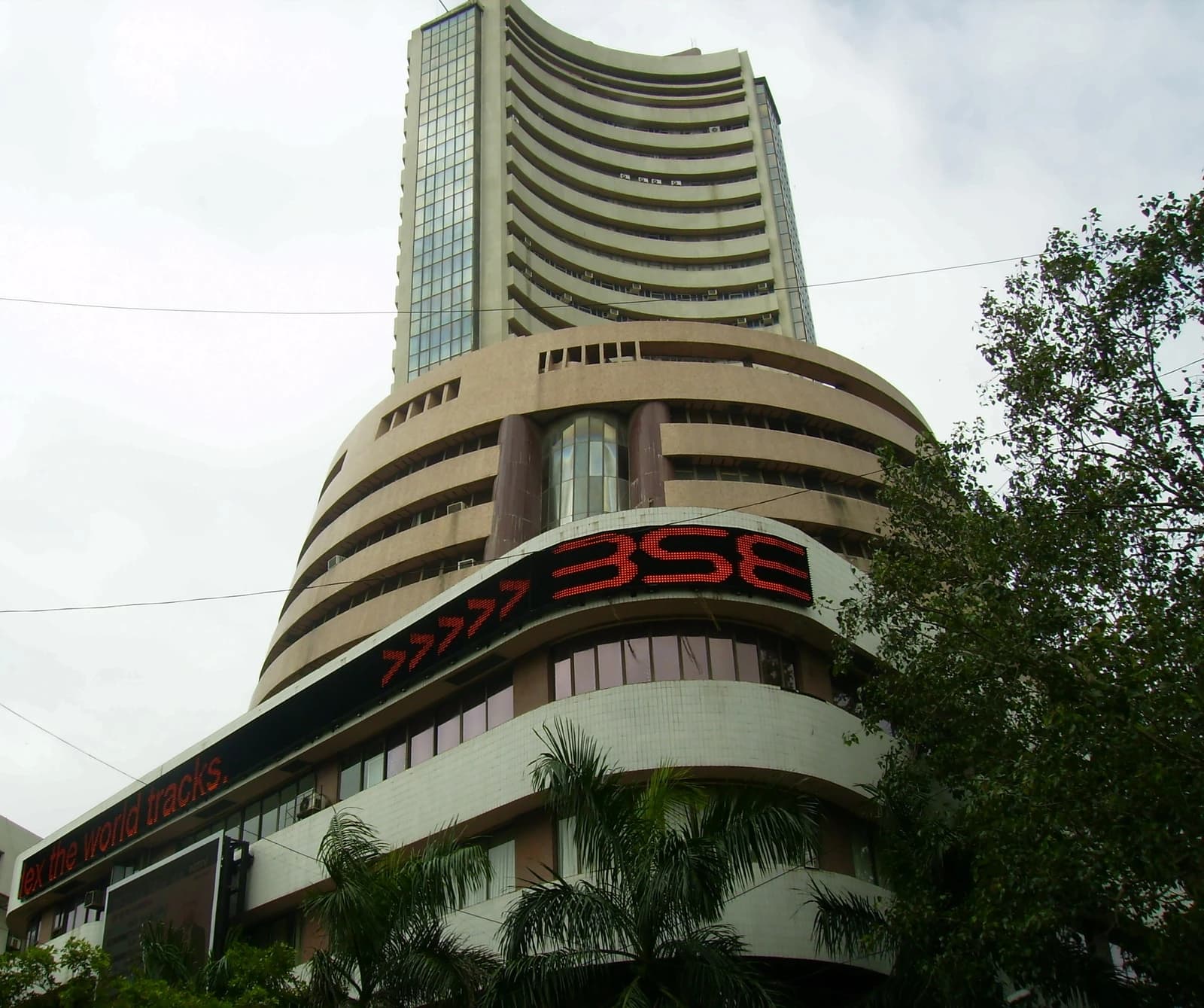
The move matters because Diwali is one of the most important demand windows for Indian consumer companies and property developers. A pickup in household spending during the festival season can support volumes for staples makers, premium products and discretionary purchases, while also feeding through to retail property traffic and housing demand. For a market that has been struggling to balance valuation concerns against growth expectations, a festive-demand rebound offers a clearer earnings catalyst.
Sentiment Indicators
Among large-cap consumer names, Hindustan Unilever has recovered to 1,982 rupees from a low of 1,820.7 rupees on Oct. 12, while ITC has climbed to 278.85 rupees from 255 rupees on Oct. 8. The rebound in both stocks reflects a broader view that festive purchases could improve near-term offtake after a patchy stretch for consumer sentiment. On the technical side, both counters have also improved: ITC’s price is back above its 50-day moving average and its relative strength index is in overbought territory, while Hindustan Unilever has turned positive on MACD readings after a deep mid-year decline.
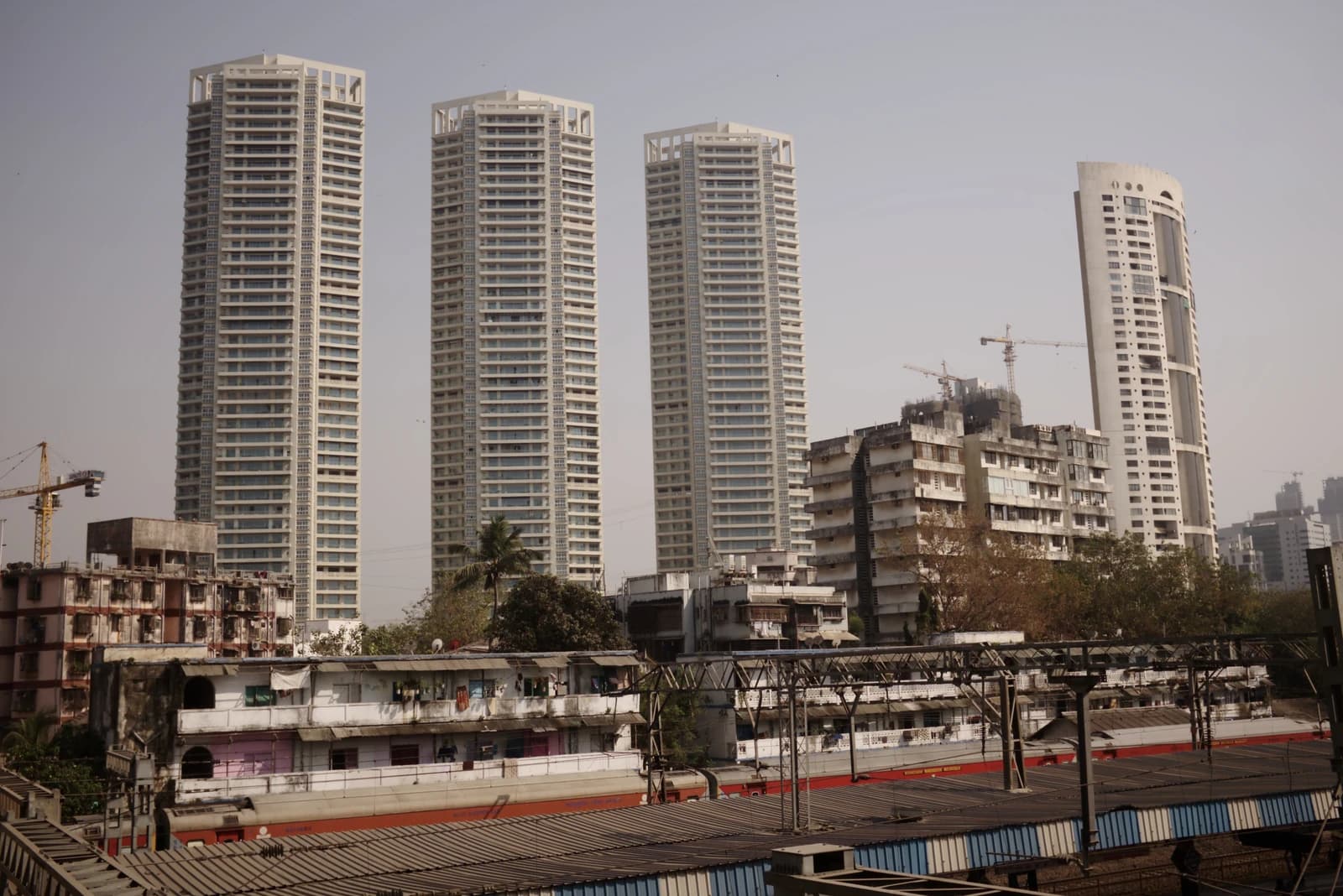
Realty shares are moving even more sharply. DLF has surged to 745.2 rupees from 636.95 rupees on Oct. 8, outpacing the broader market and pushing well above its 50-day and 200-day moving averages. The rally suggests investors are increasingly positioning for stronger premium housing demand and better booking momentum into the festive quarter, when launches and site visits typically pick up.
The Diwali trade is also being helped by policy support at the household level. Several Indian governments have announced dearness allowance increases and related festive benefits for state employees and pensioners, adding to disposable income just as families step up spending on food, household goods, appliances and housing-related purchases. Those measures may not be large enough to shift the macro picture on their own, but they do provide a timely cash-flow boost to a broad base of salaried consumers.
For investors, the key question is whether the rally reflects a one-off festive burst or the start of a more durable demand recovery. Bulls will argue that lower inflation pressure, wage-related support and a strong festival calendar could sustain volume growth into the December quarter. Bears will point to still-uneven consumption patterns, stretched valuations in some defensive names and the risk that the Diwali surge proves temporary once the season passes.
For now, the market is treating Diwali as more than a sentiment event: it is a near-term earnings test for India’s consumer and property sectors, and a reminder that festive spending still has the power to move prices when investors see a path to better demand.
| Entity | Gains | Losses |
|---|---|---|
| FMCG companies | ▲Festive sales lift | ▼Weak volume growth risk |
| Realty developers | ▲Higher bookings | ▼Slower discretionary demand |
| Salary earners/pensioners | ▲DA and bonus support | ▼Inflation eats part of benefit |
| Short-term bears | ▲Less downside momentum | ▼Missed seasonal rally |