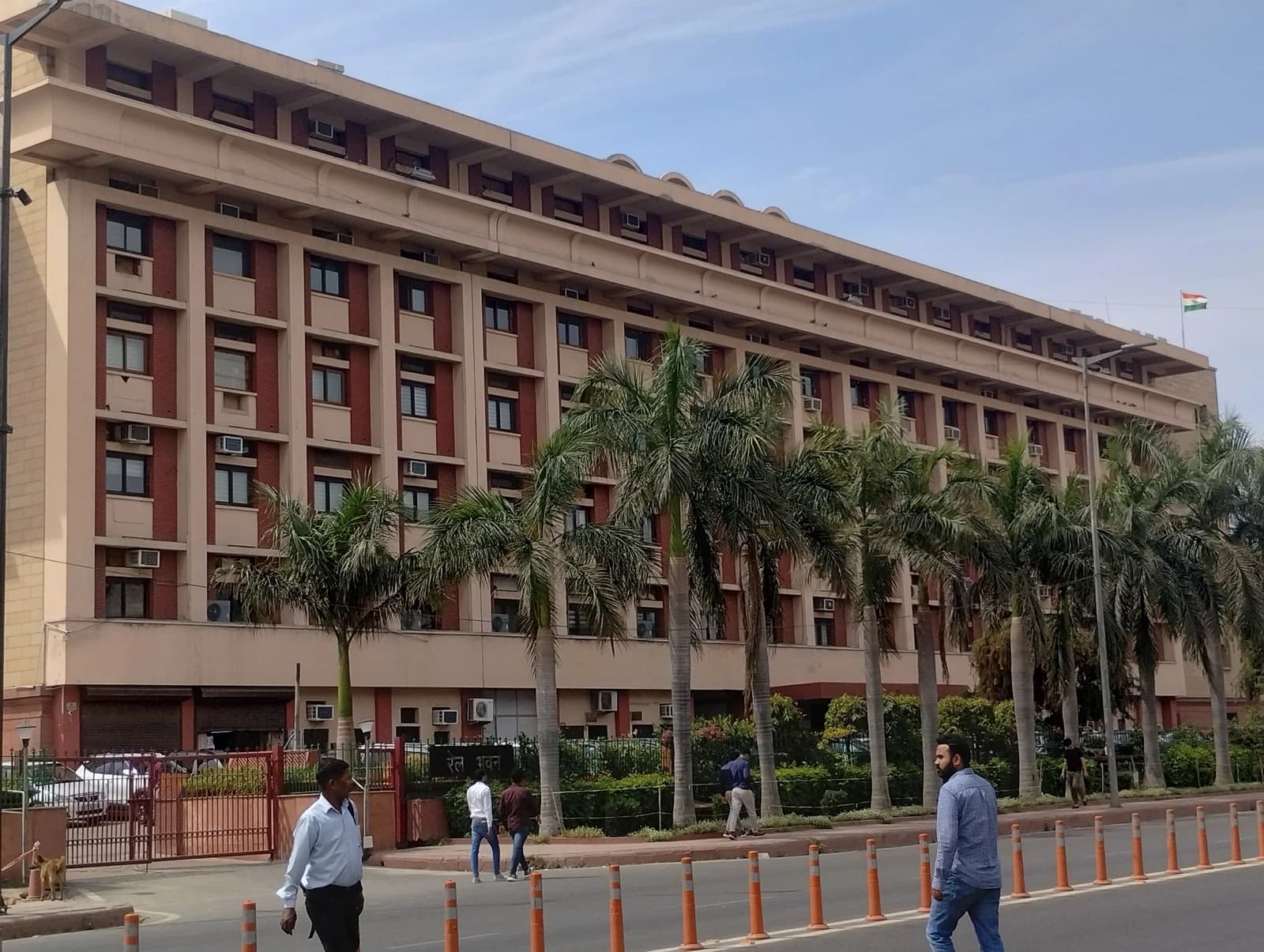
India’s cabinet has approved a 78-day productivity-linked bonus for more than 11.4 million non-gazetted railway employees, with the maximum payout capped at ₹17,951 per worker, a pre-festive measure that will cost the government about ₹2,009 crore.
India approves railway employee bonus before Diwali
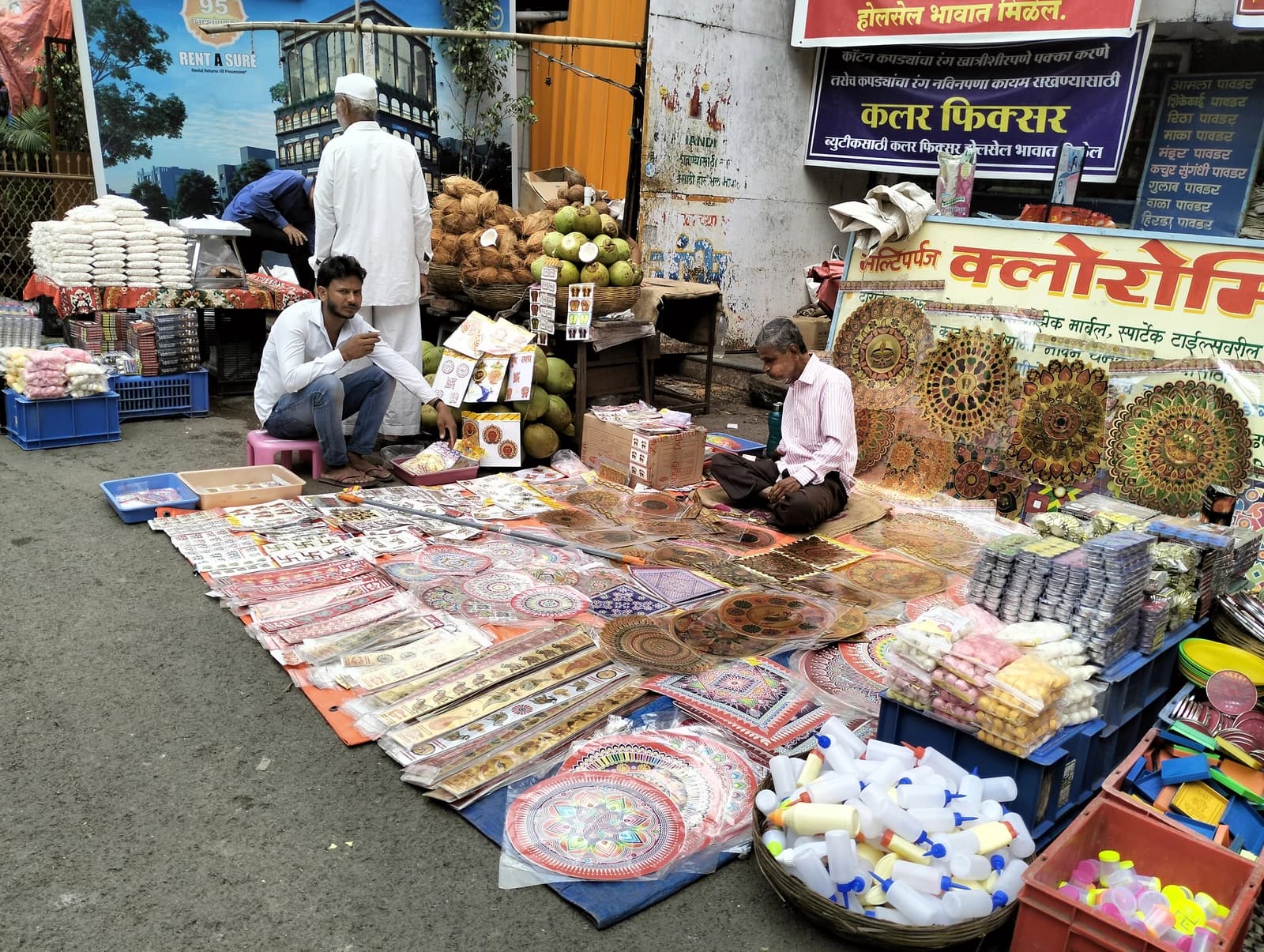
The decision matters because the railways remain one of the country’s largest employers and a critical piece of public infrastructure, moving passengers and freight across the economy. A bonus of this scale is not just a holiday gesture: it is a direct income boost for a large blue-collar workforce, likely to support near-term household spending during the Diwali season and reinforce labour morale in a sector where service continuity is economically important.
Sentiment IndicatorsⓘProprietary · adalytica.com · October 15, 2026
This is a snapshot — live sentiment, awareness and momentum for 130+ markets update continuously in the dashboard.Open AlphaPulse
For investors and policy watchers, the payout is a modest fiscal charge in isolation but a signal of the government’s continuing willingness to use targeted transfers to support consumption without changing the broader wage structure. In an economy where festive demand often sets the tone for retail sales, transport usage and discretionary spending, the bonus can provide a small but timely lift to cash flow for lower- and middle-income households.
The formula also limits the upside for individual employees. While the headline maximum is ₹17,951, actual payouts will vary based on eligibility and the prescribed wage calculation, meaning the average cheque will be lower for many workers. That matters because the announcement is less about a one-off windfall than about predictable, rules-based compensation tied to productivity, which helps the government contain recurring labour costs while preserving a performance incentive.
The move comes ahead of the peak festive period, when the administration typically tries to balance political goodwill with fiscal discipline. For the railways, which face constant pressure to maintain service standards amid heavy usage, the bonus is also a way to acknowledge frontline staff without committing to structural pay increases.
Investors should read the announcement as supportive for consumption sentiment rather than as a macro game-changer. The immediate beneficiaries are railway employees and their households; the losers are the public finances, though only marginally. The broader test will be whether the festive spending impulse shows up in retail activity and consumer demand over the coming weeks.
| Entity | Gains | Losses |
|---|---|---|
| Railway employees | ▲Higher festive income | ▼None material |
| Railway households | ▲Near-term cash support | ▼Limited by eligibility rules |
| Consumer spending | ▲Small Diwali boost | ▼If payout is saved, not spent |
| Government finances | ▲Political goodwill | ▼₹2,009 crore outlay |